BLOG
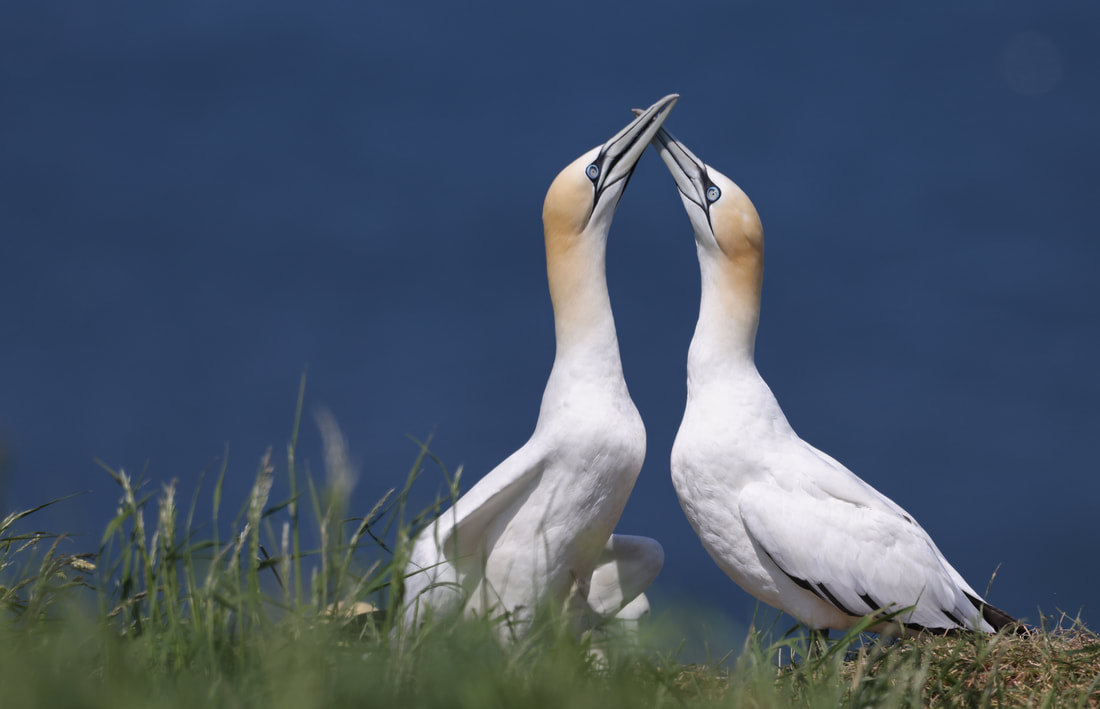
My blog will predominantly feature a selection of photographs and reports of recent wildlife photographic trips, mainly in the UK
|
A drier, sunny day so a short trip to Amwell to try and get some images of the drake Smew that has been there for a few weeks, together with a female bird. It has quite often been distant, so would today bring it a bit closer? Luckily for me I bumped into Alan Reynolds and used his decades of experience and fieldcraft to full advantage! The Smew was swimming down to the south of the pit so a brisk walk down there saw us ready and in position for some reasonably close shots. 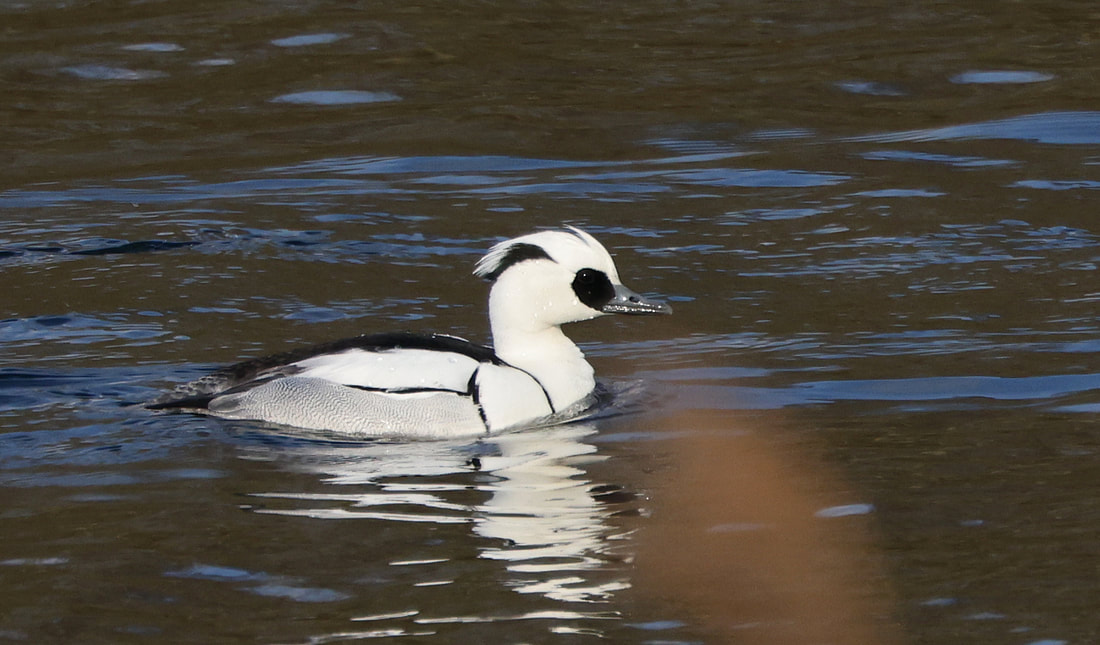 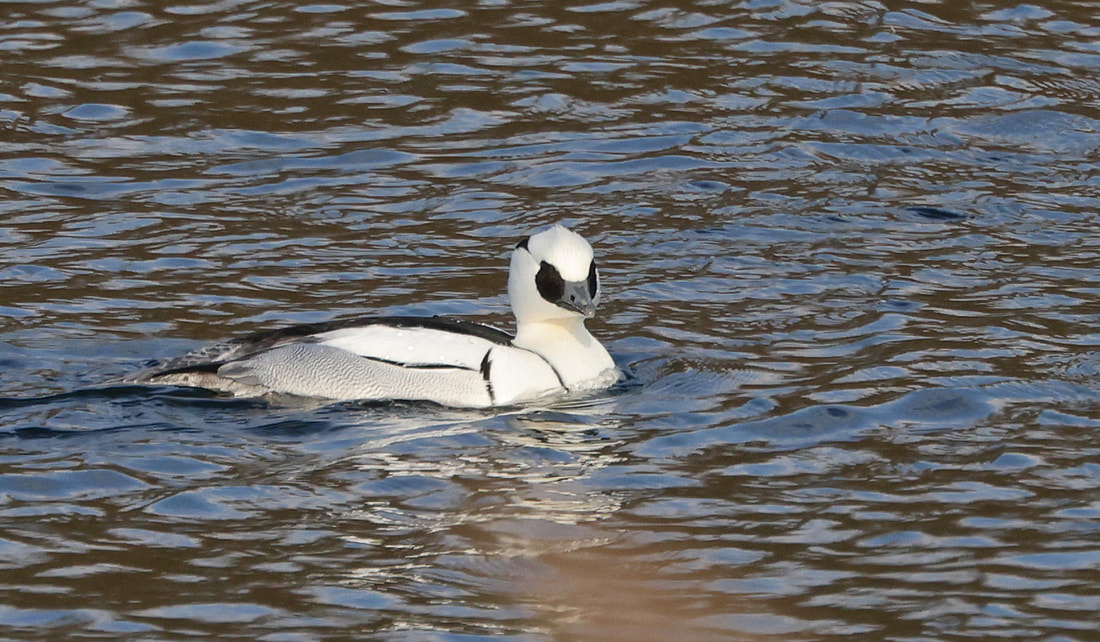 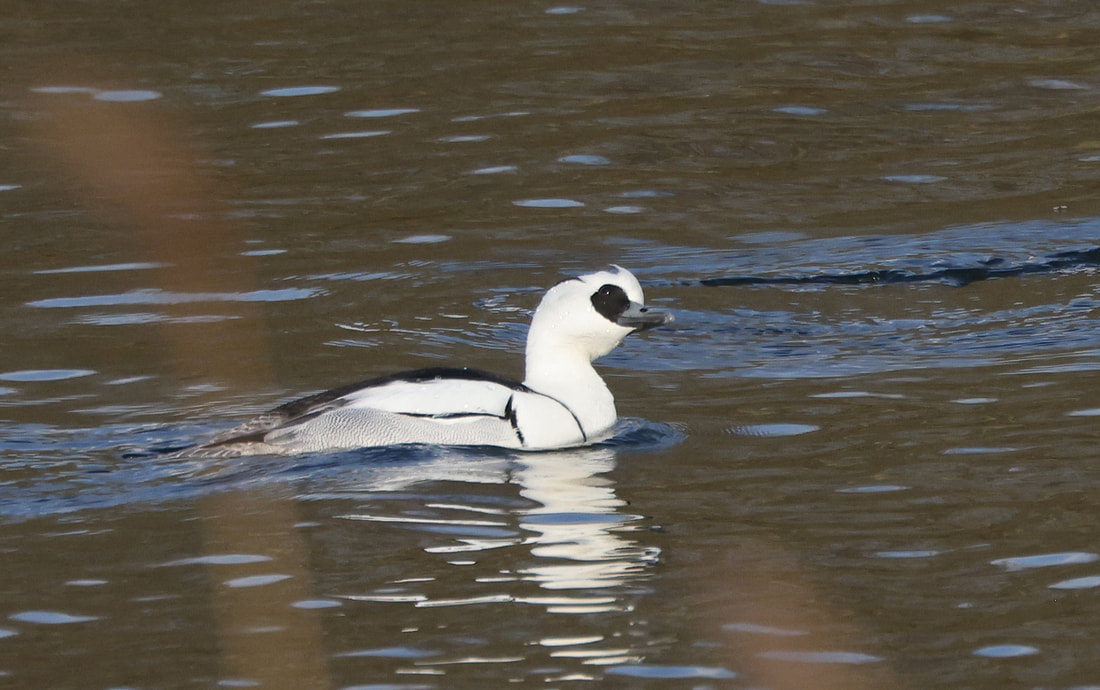 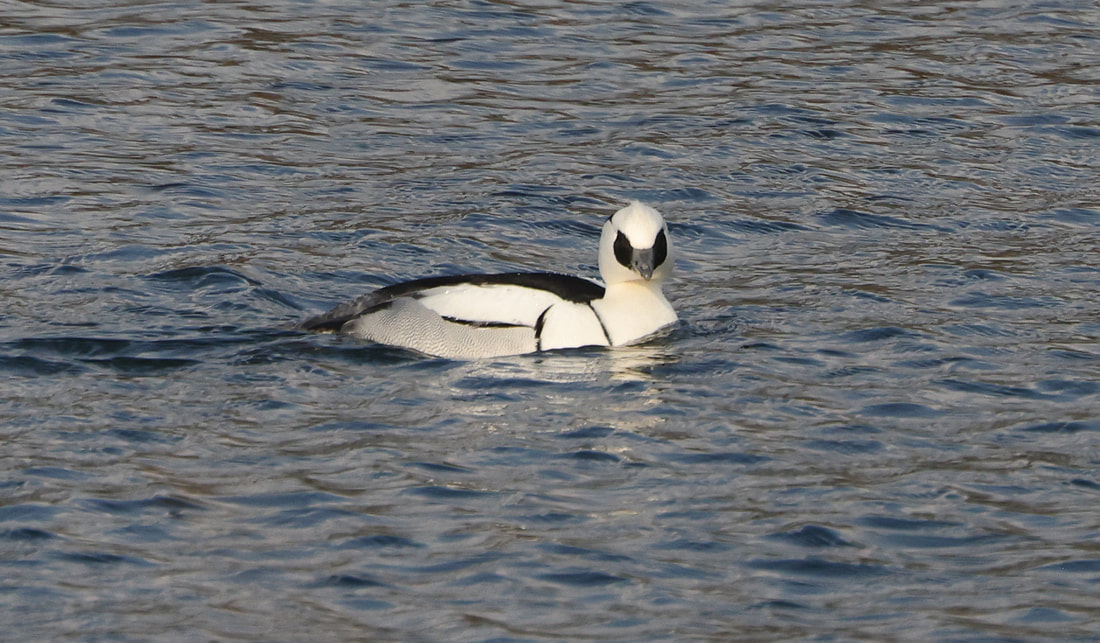 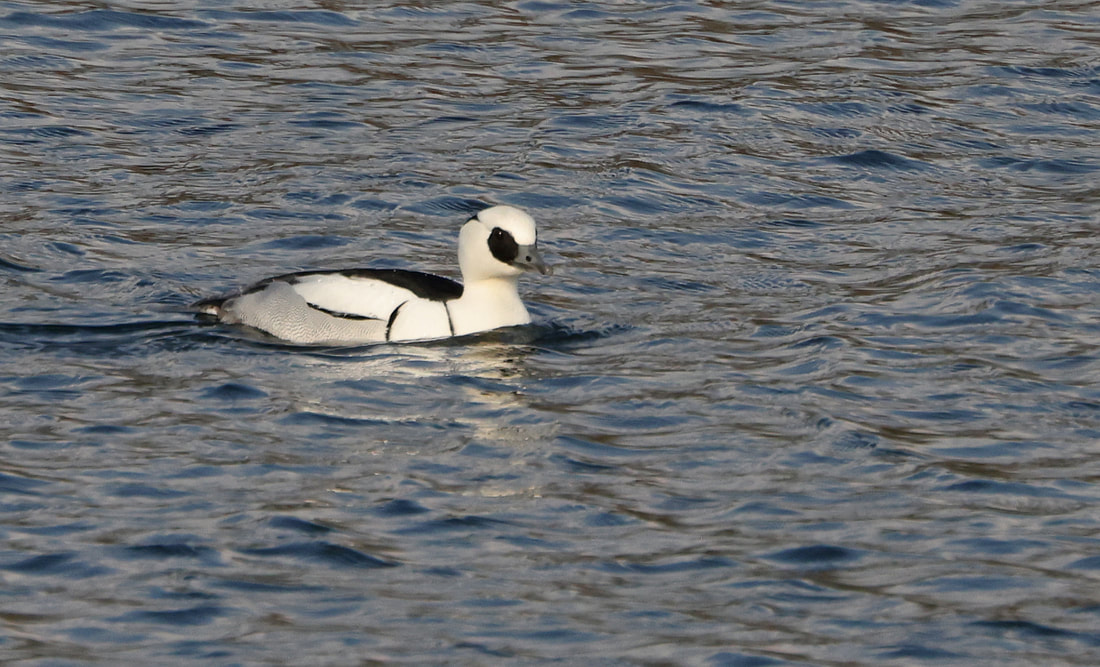 It seems to prefer the company of a female Goldeneye rather than the female Smew, so it was good to get some shots of them together. 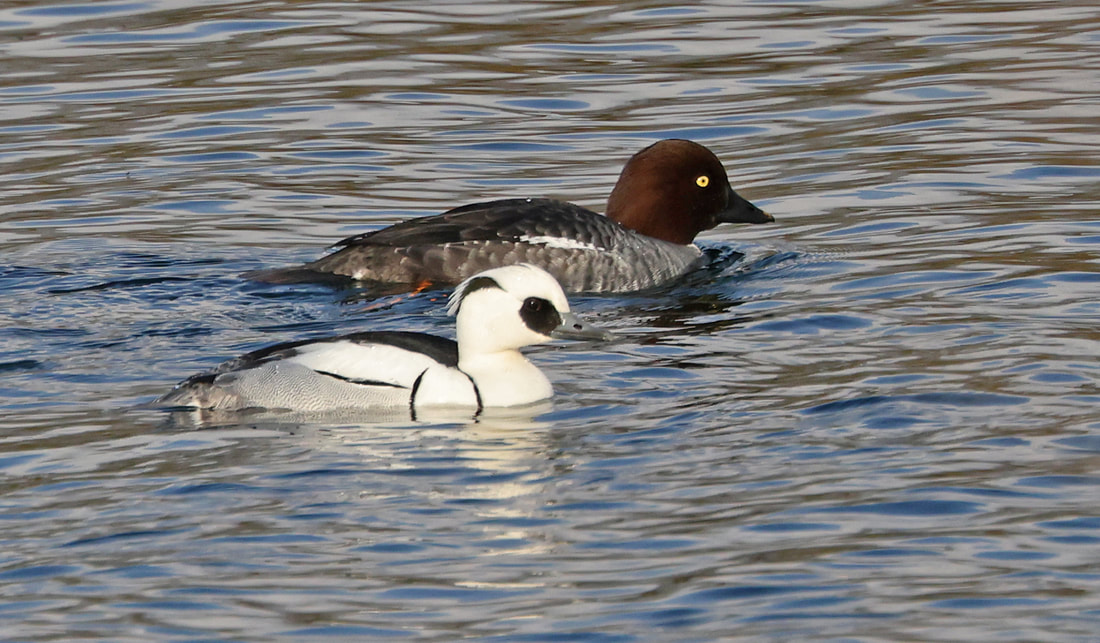 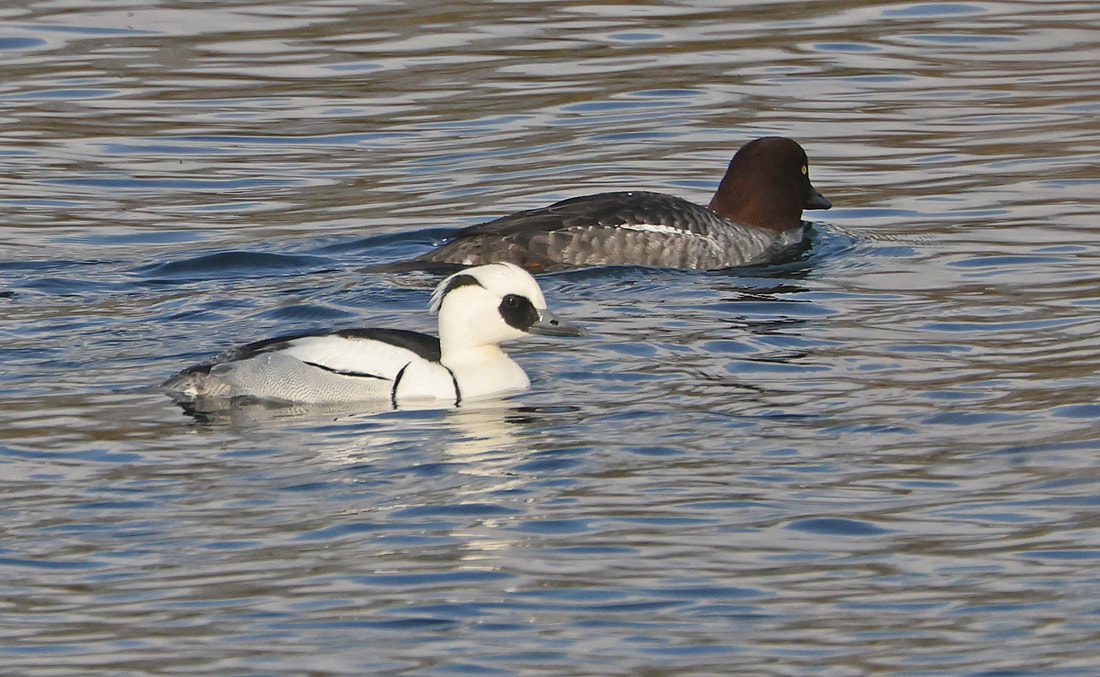 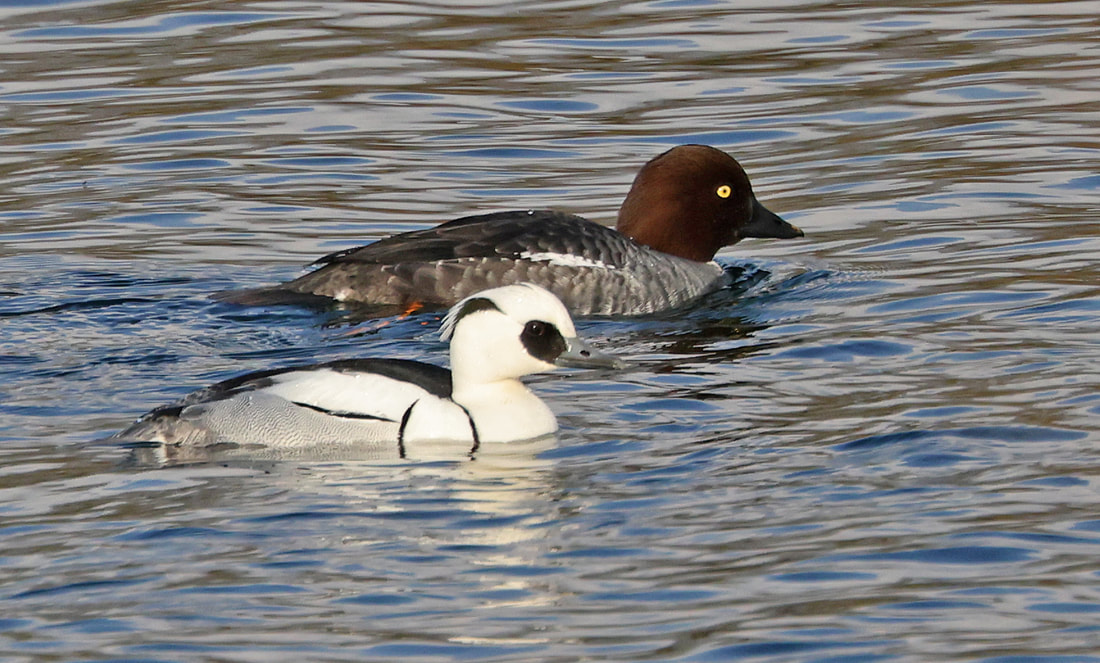 They really are cracking birds and always a treat to see. And to round off an enjoyable couple of hours, a visit from a confiding male Muntjac. 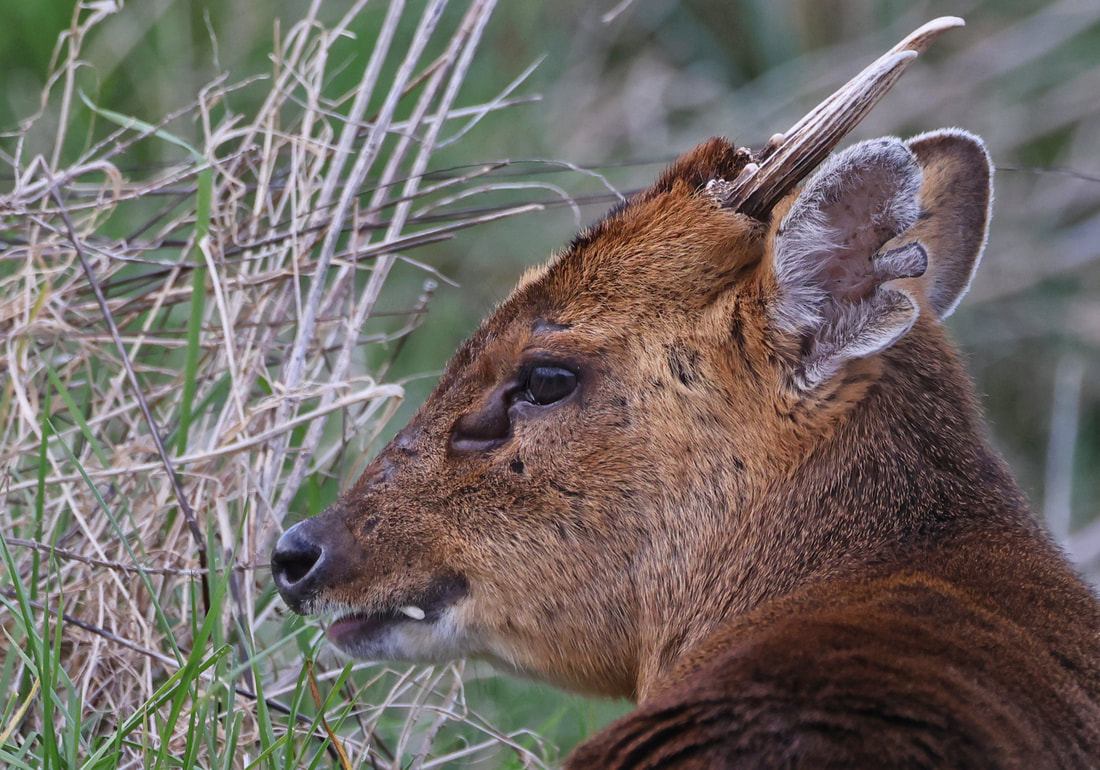
0 Comments
The day started with a local walk with the RSPB SE Herts Group around Lemsford Springs and the grounds of Brocket Hall. The usual suspects were there including Little Egret, Grey Wagtail, Green Sandpipers and Siskin. The highlight however was this pair of Mandarin Ducks. 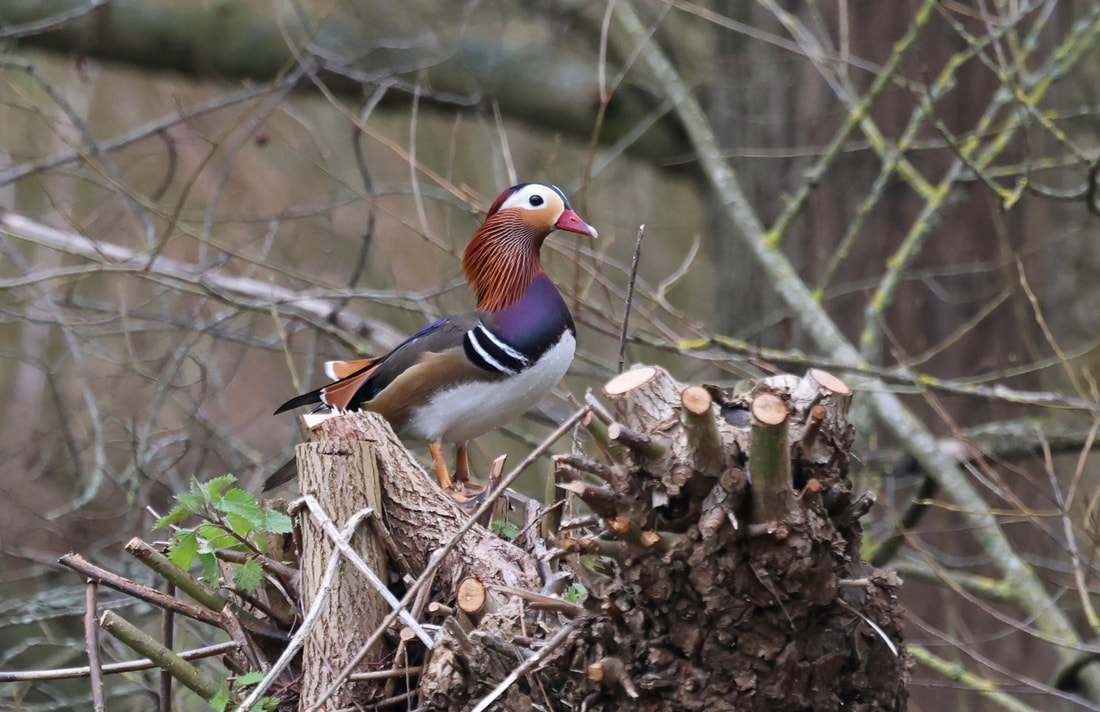 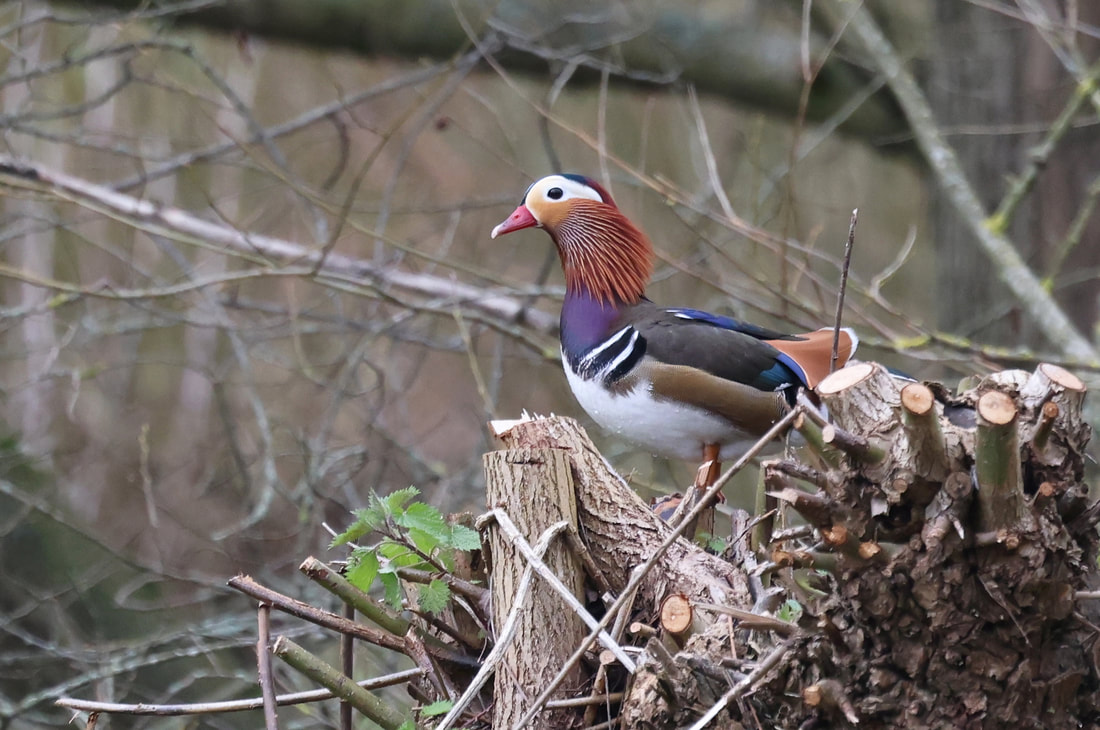 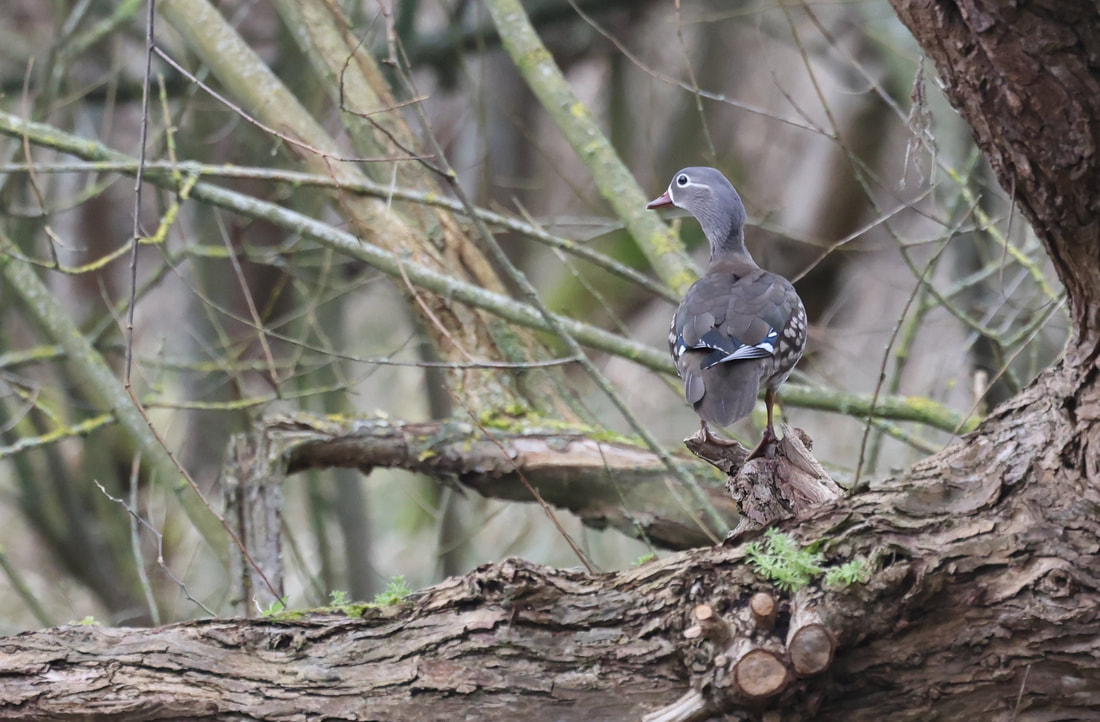 A White Stork had been reported on floodwater near Essendon since Saturday so after the walk we made a short detour to track it down. It is a male bird born in 2022 as part of the Knepp rewilding project. Ringed as GB9U. It had flown from its favoured spot but we tracked it down slightly further west. 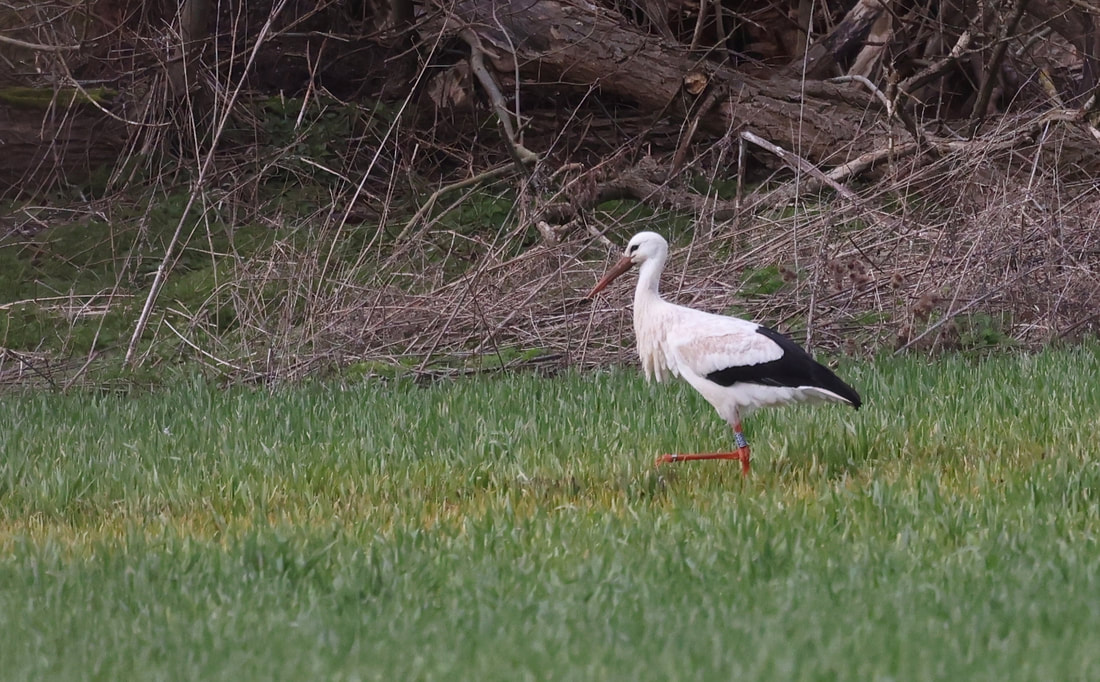 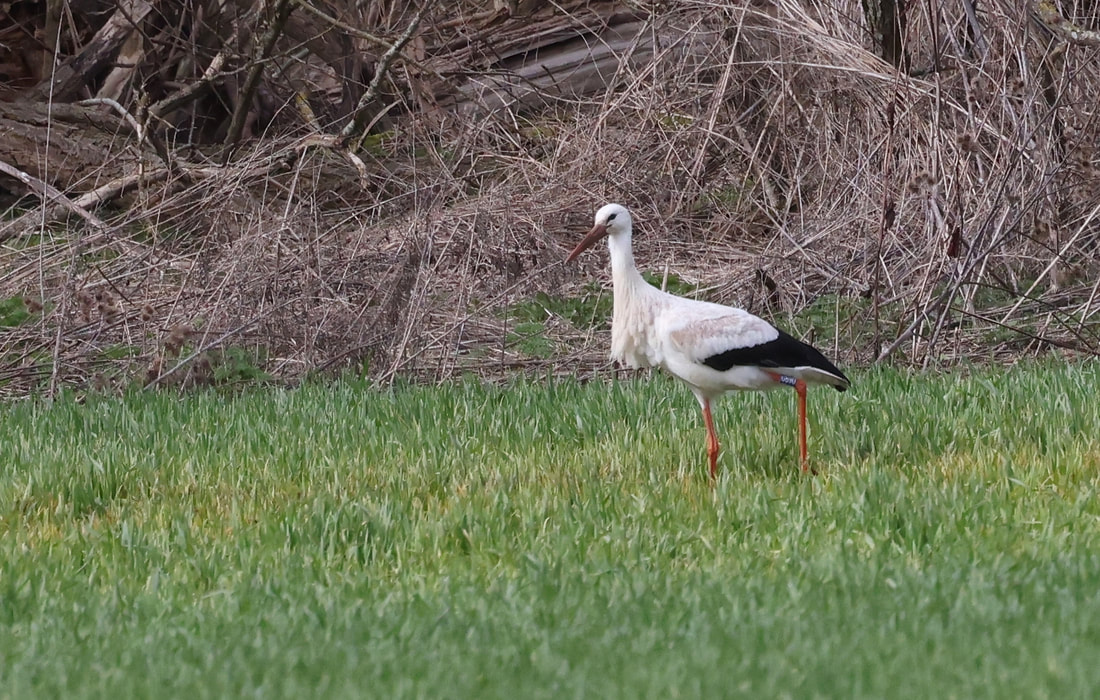 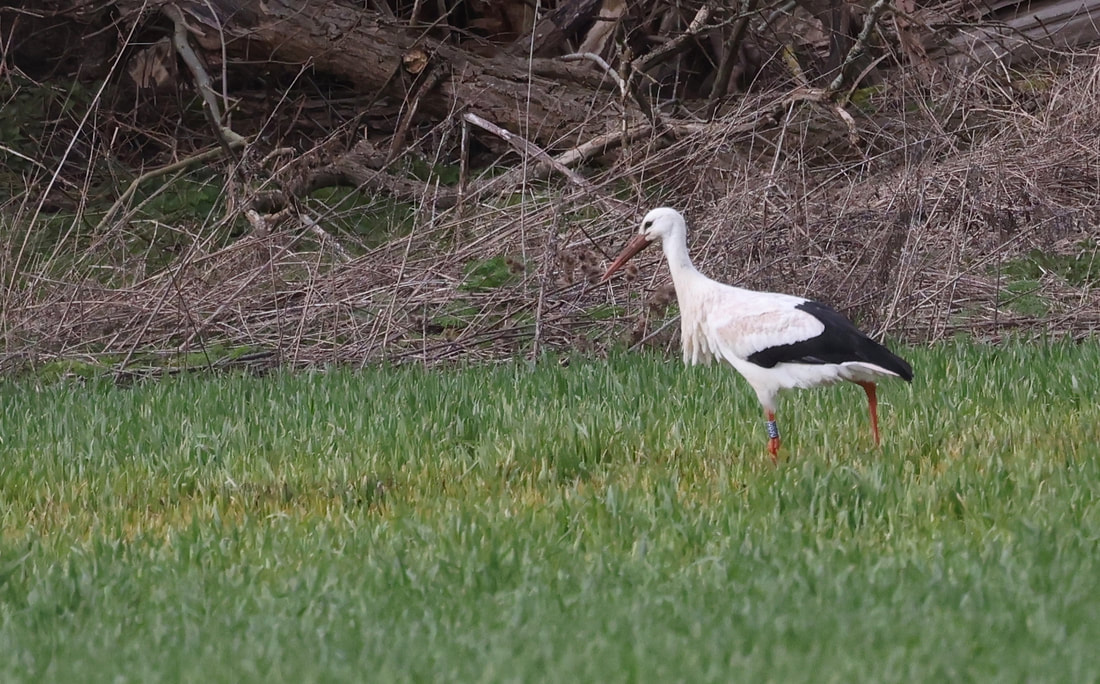 And a few flight shots. 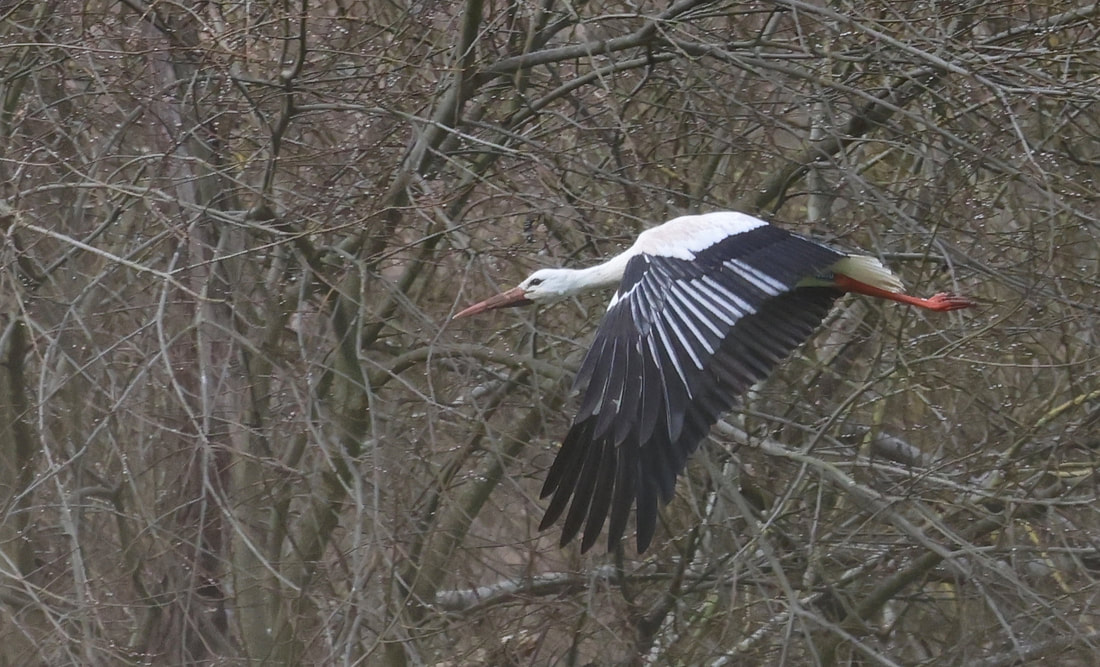 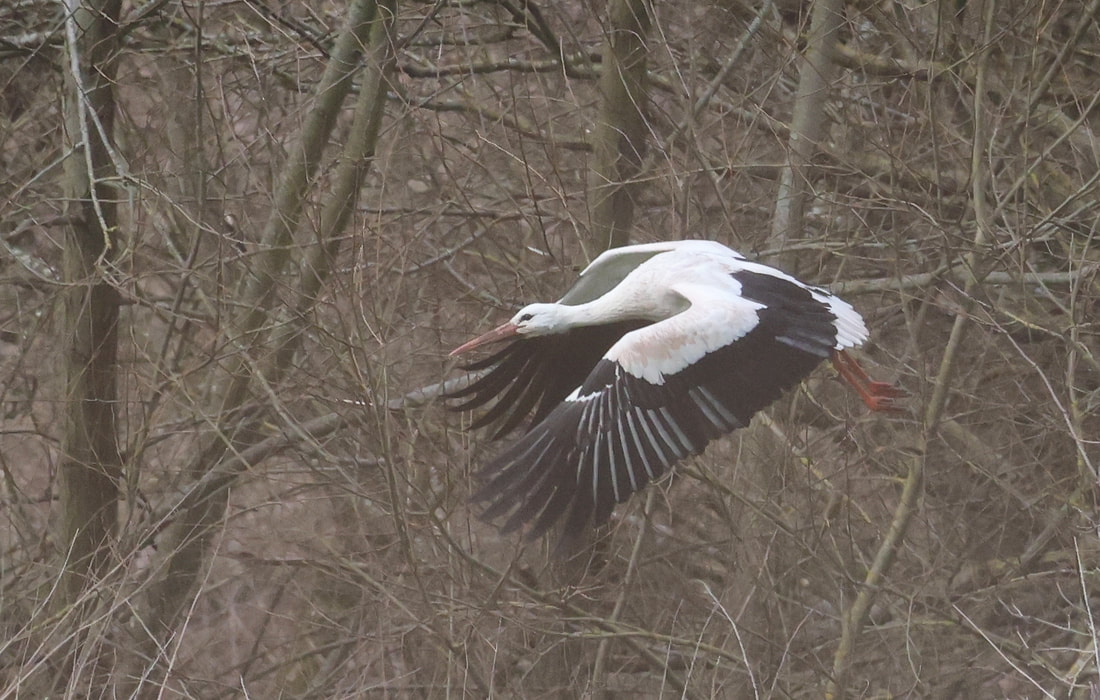 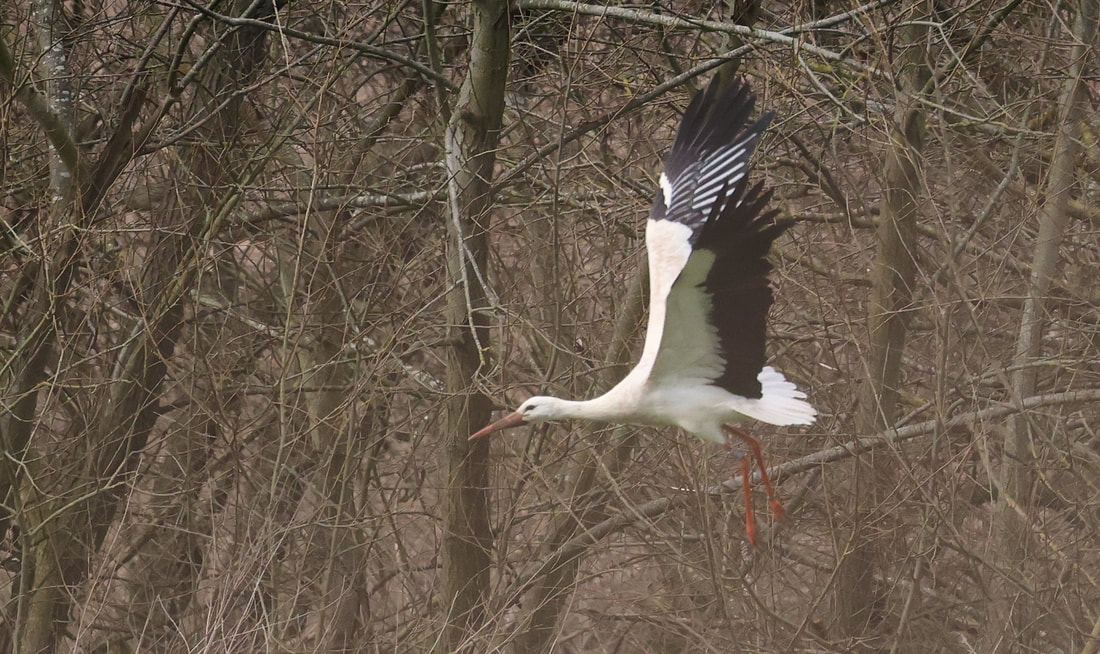 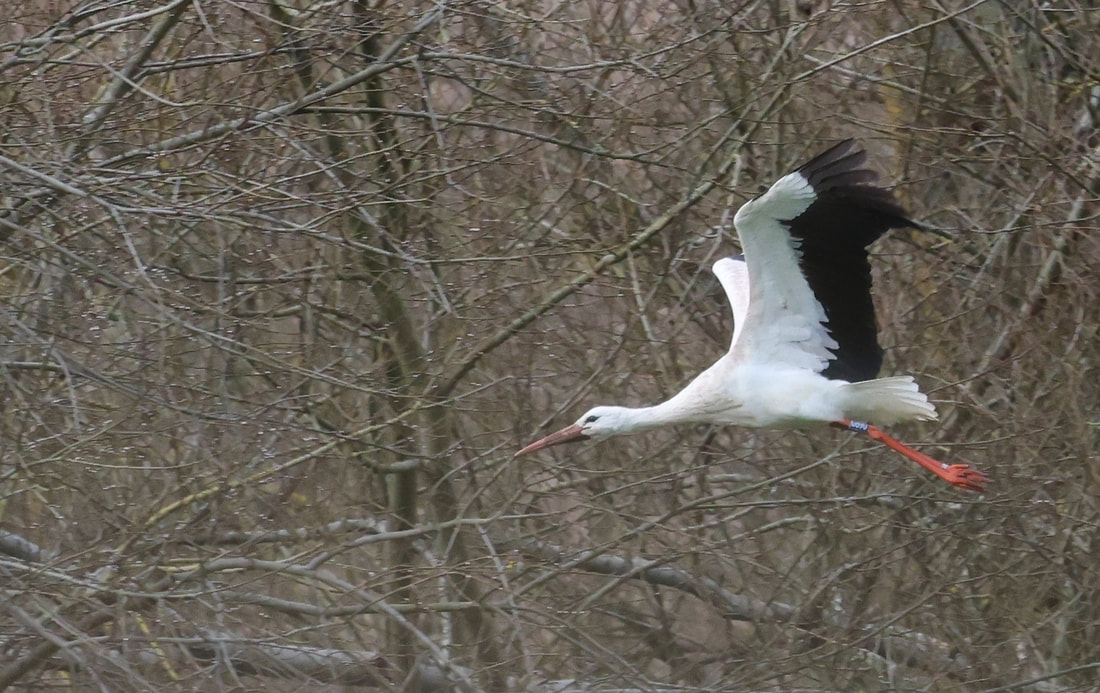 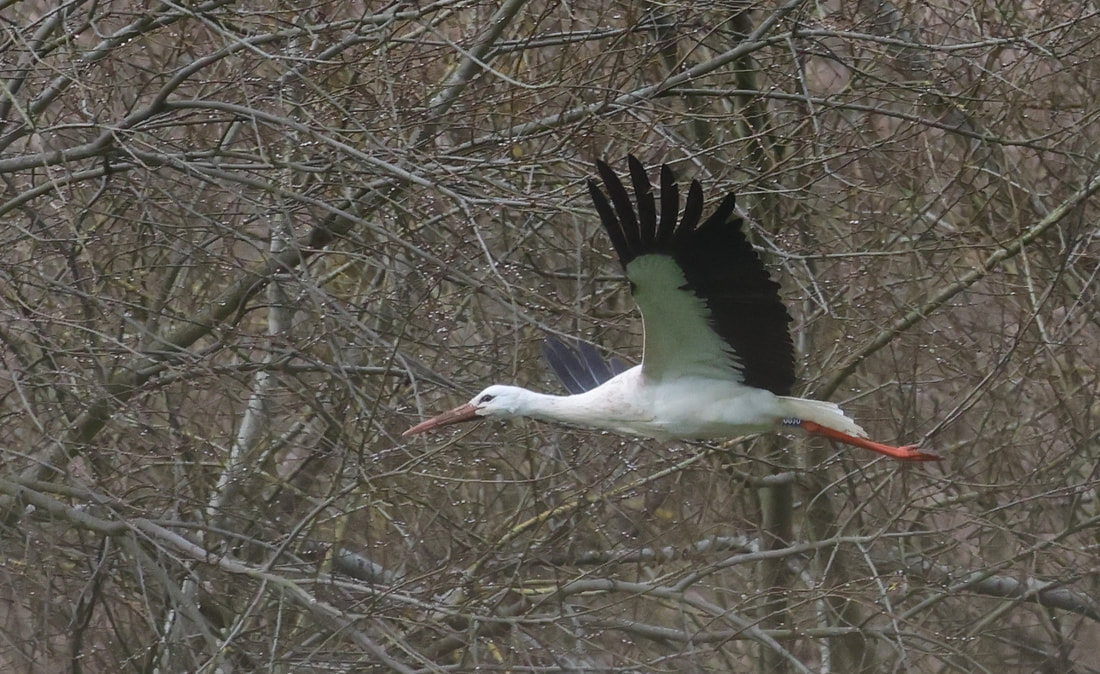 A nice end to the day.
Finally some sun in what has been a very wet February, so time to pop up to Fowlmere and try to get some pictures of the Marsh Harriers. The reserve was initially very quiet with just a few Greylag and Mallard on the Mere. However, a distant Fox appeared and raptors included Kestrel, Sparrowhawk, Red Kite and this Common Buzzard. 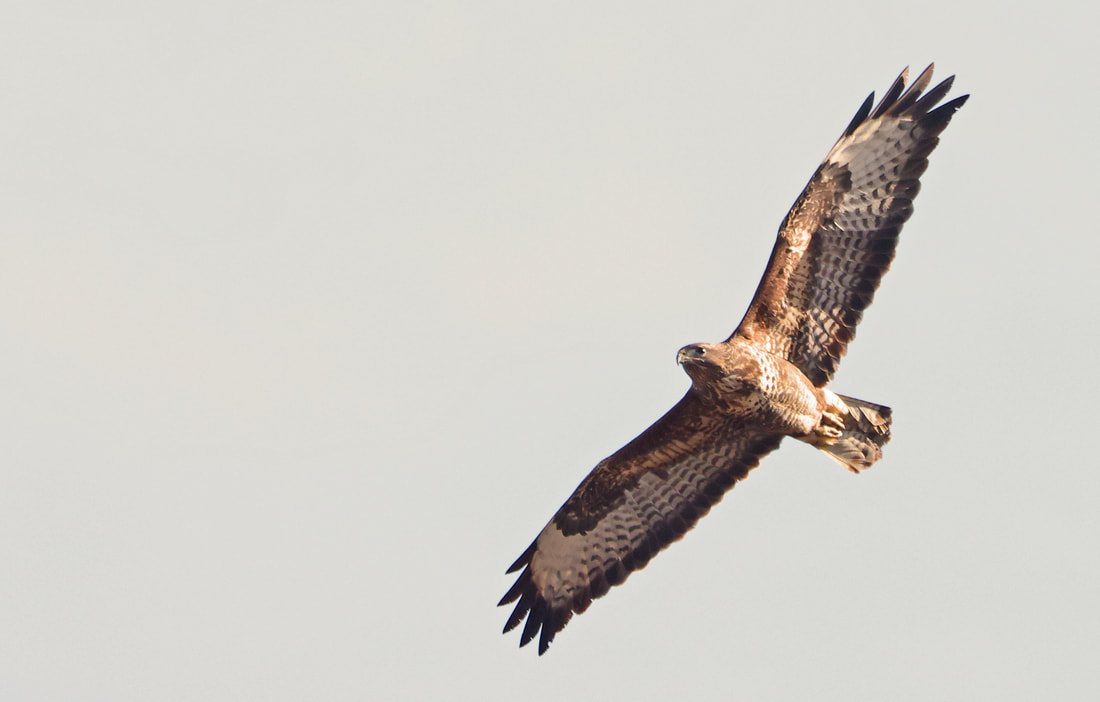 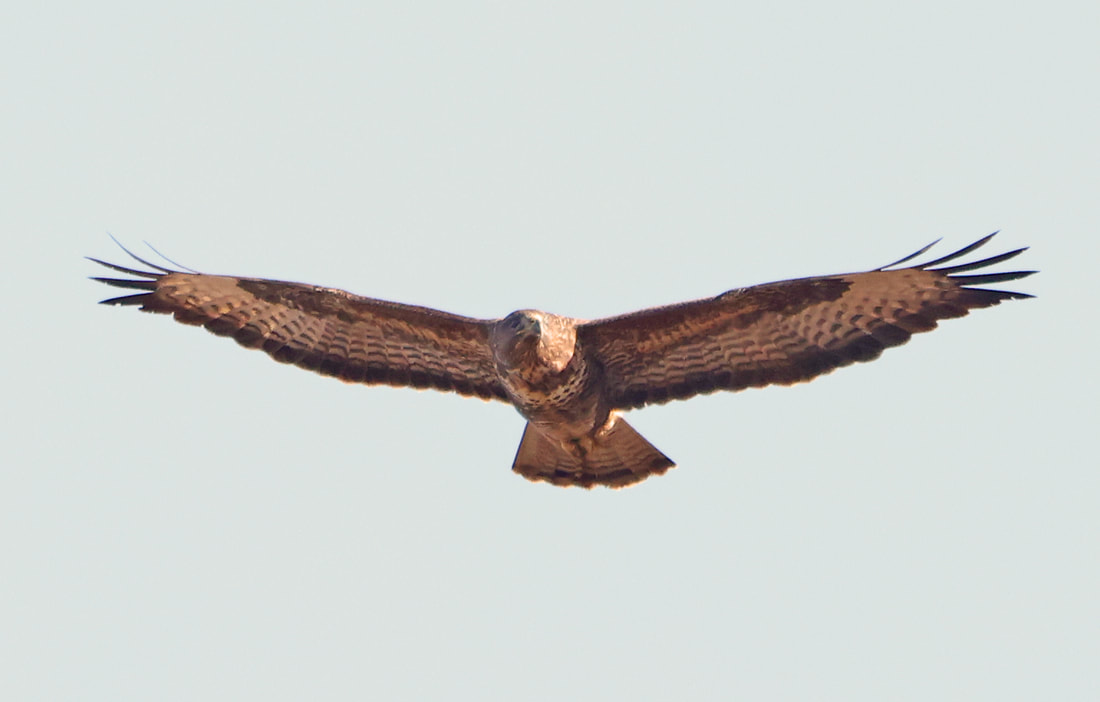 The male Marsh Harrier (now I believe about 5 years old) was quite active and would fly around for a while before heading off to hunt. I only saw the female once when she briefly flew up to greet him after he had been away for a while. All of the shots here are of the male bird. 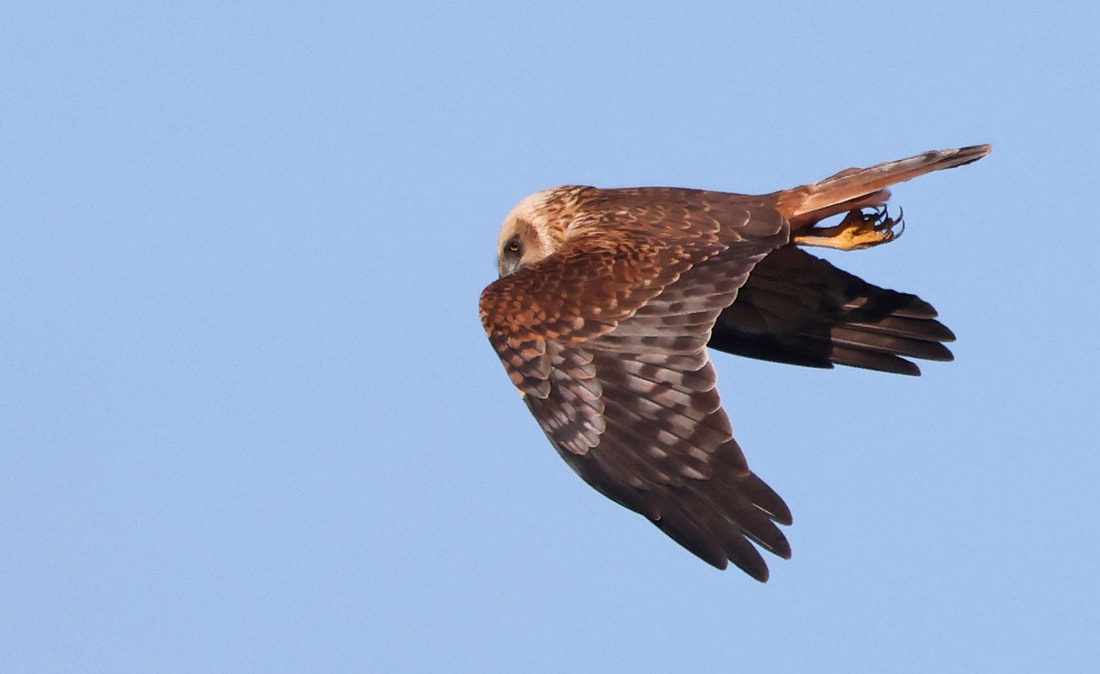 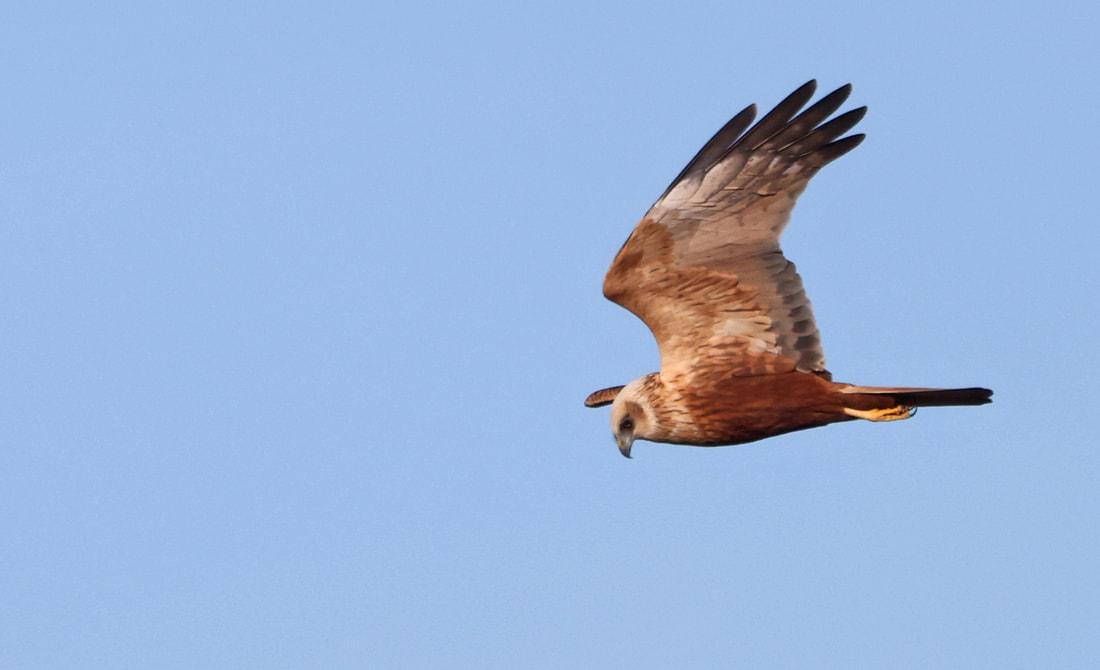 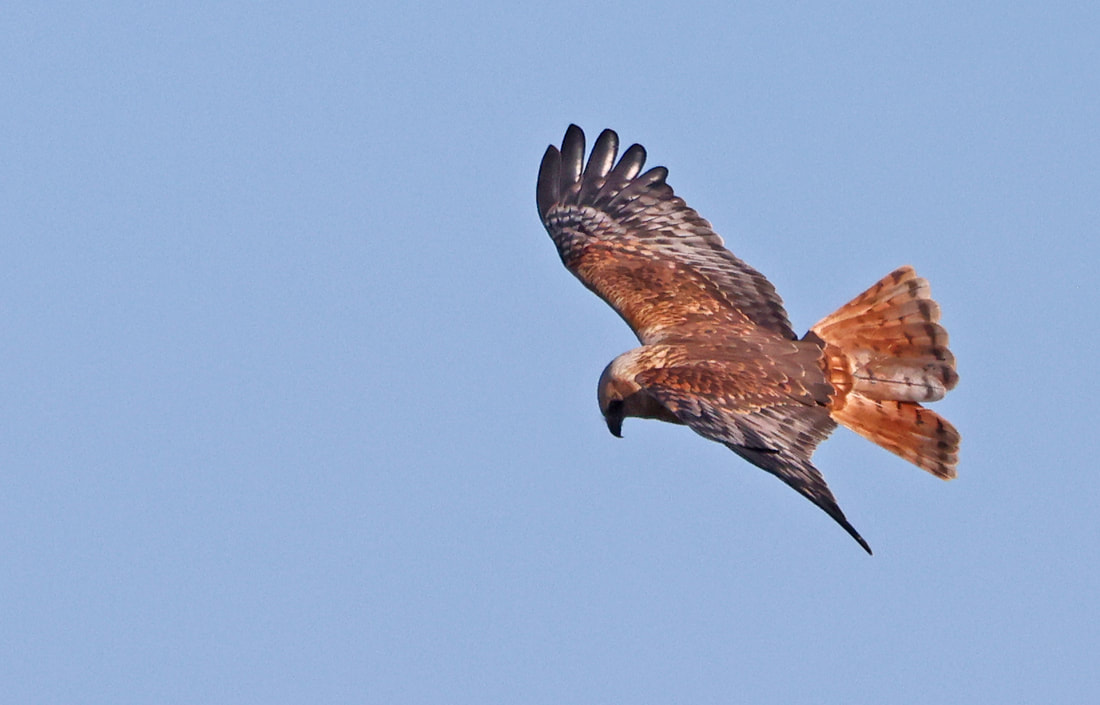 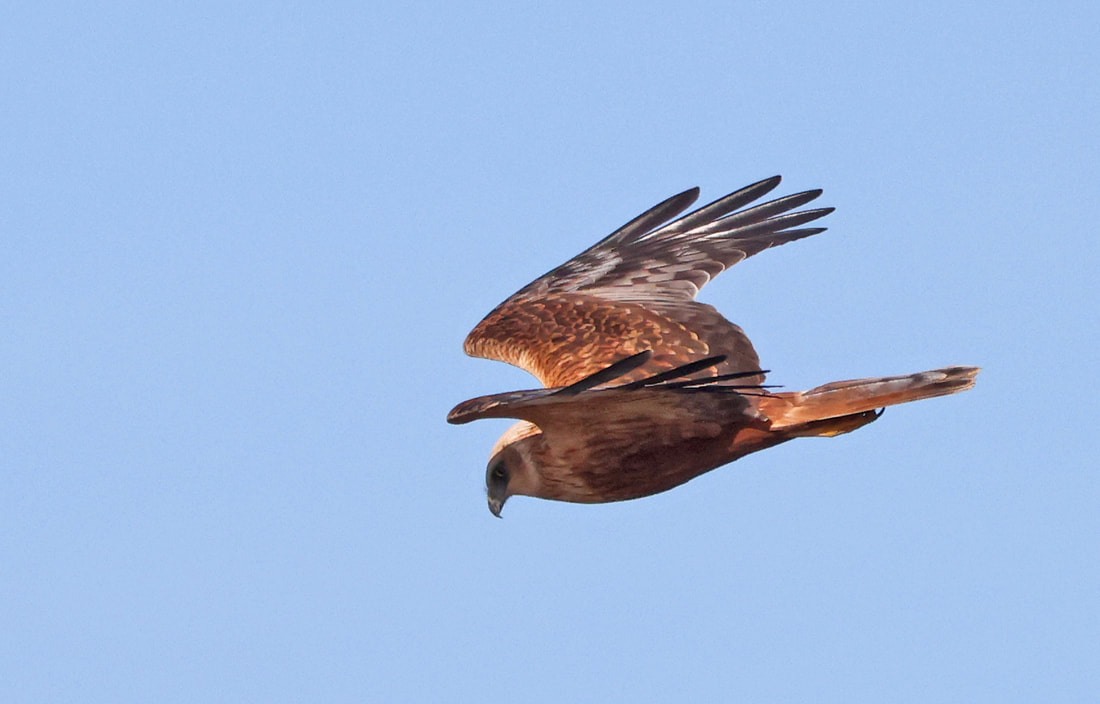 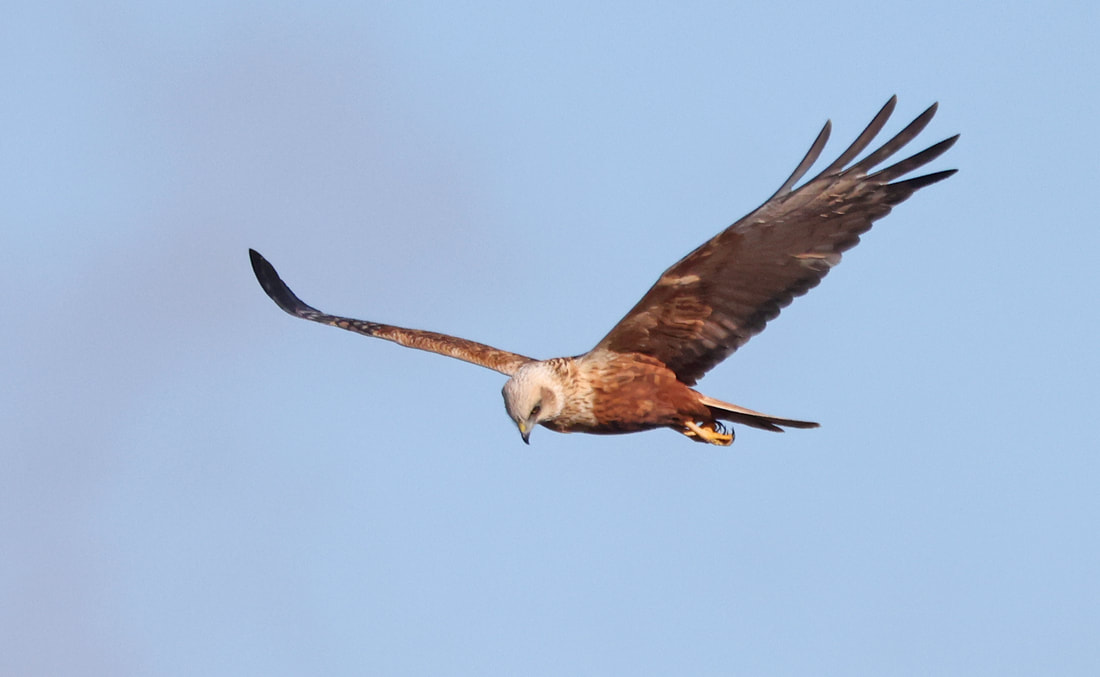 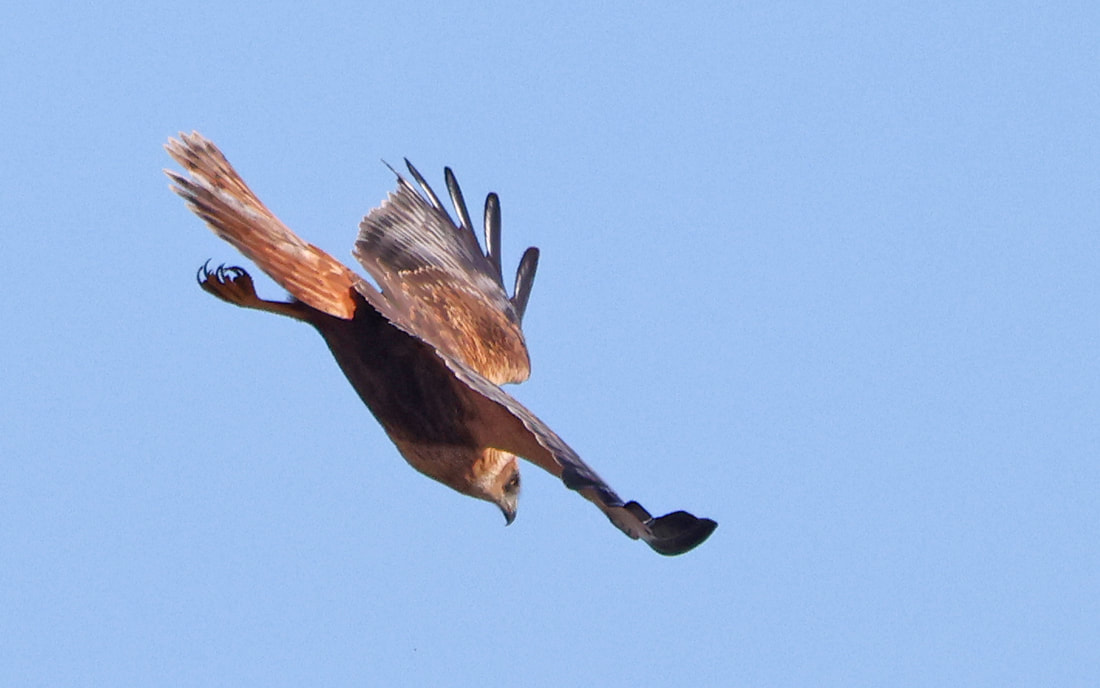 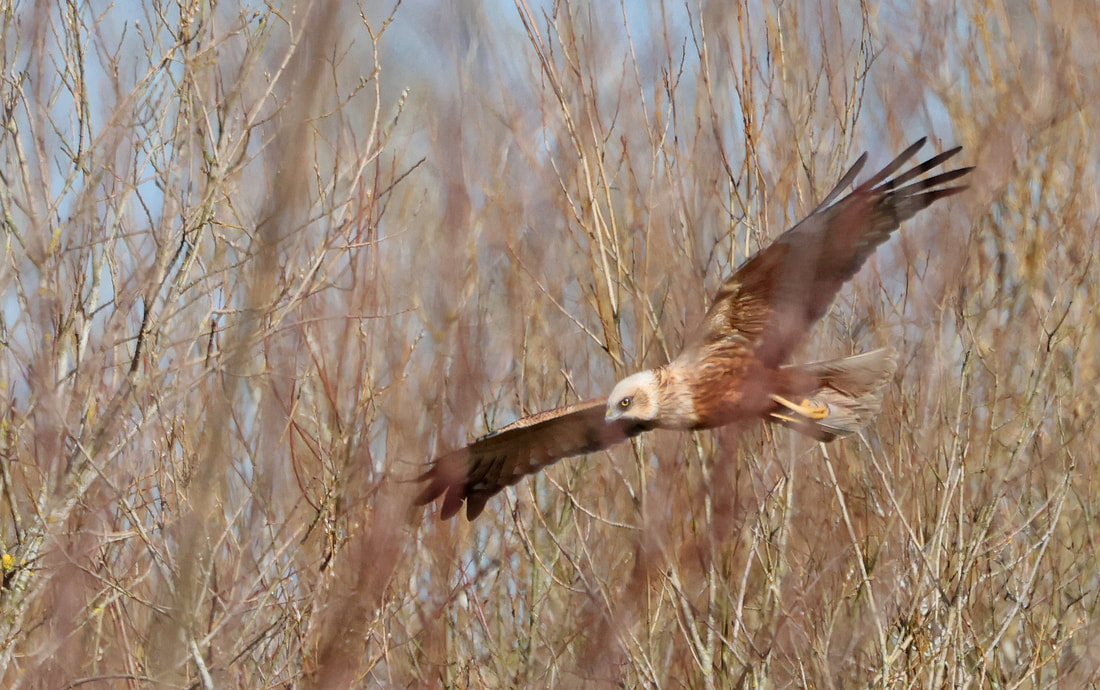 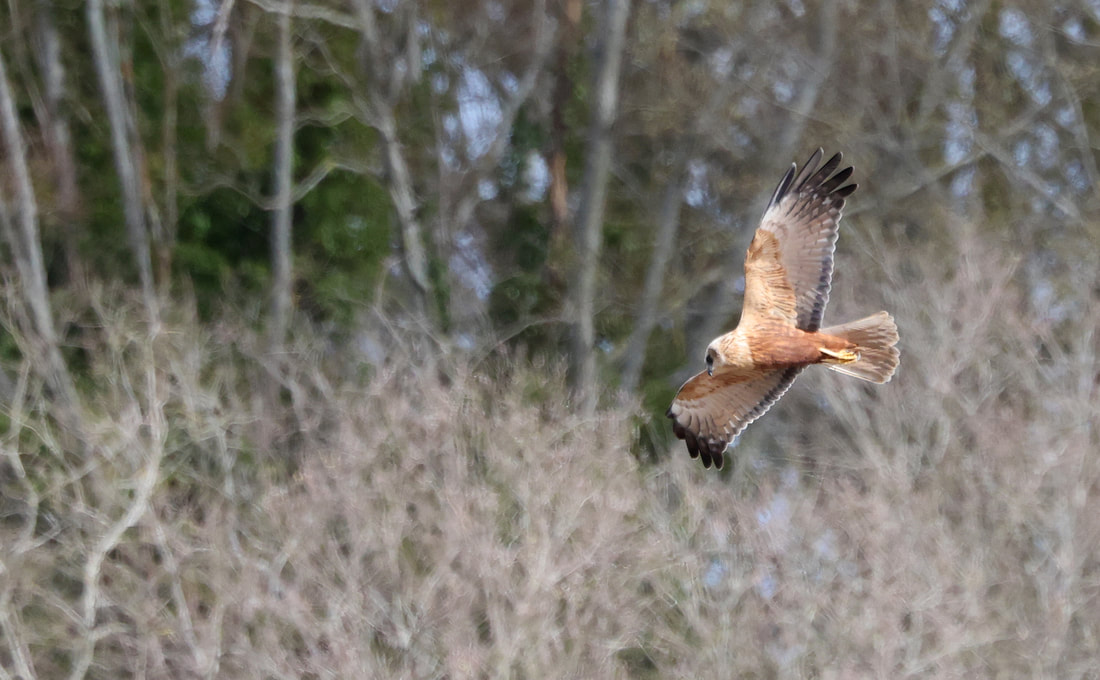 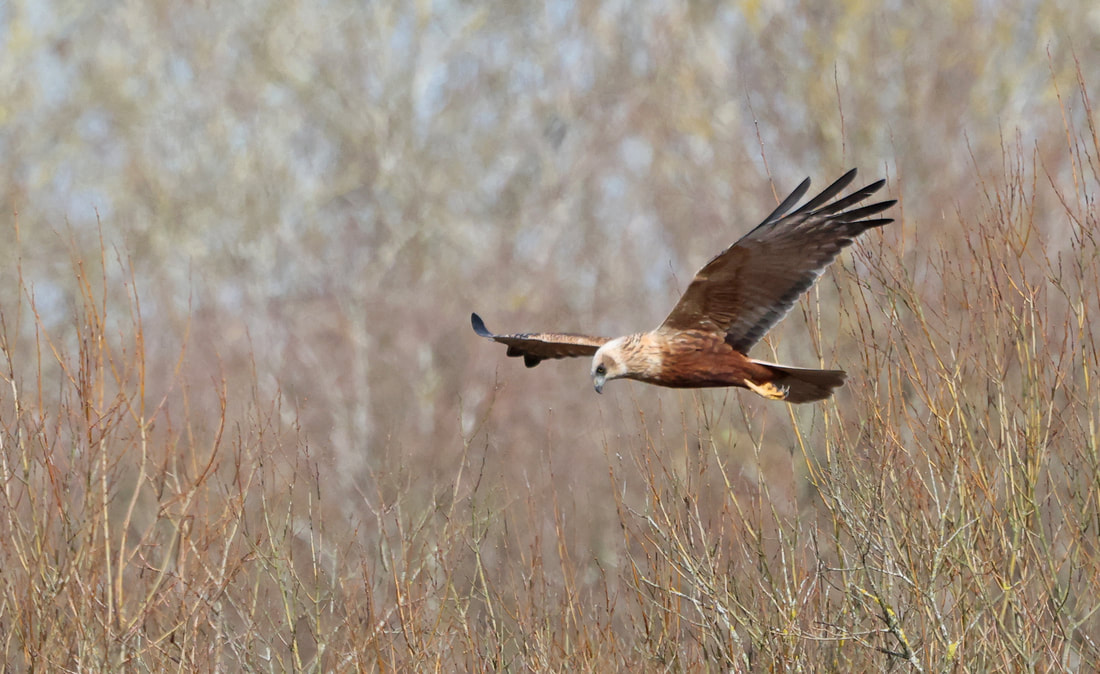 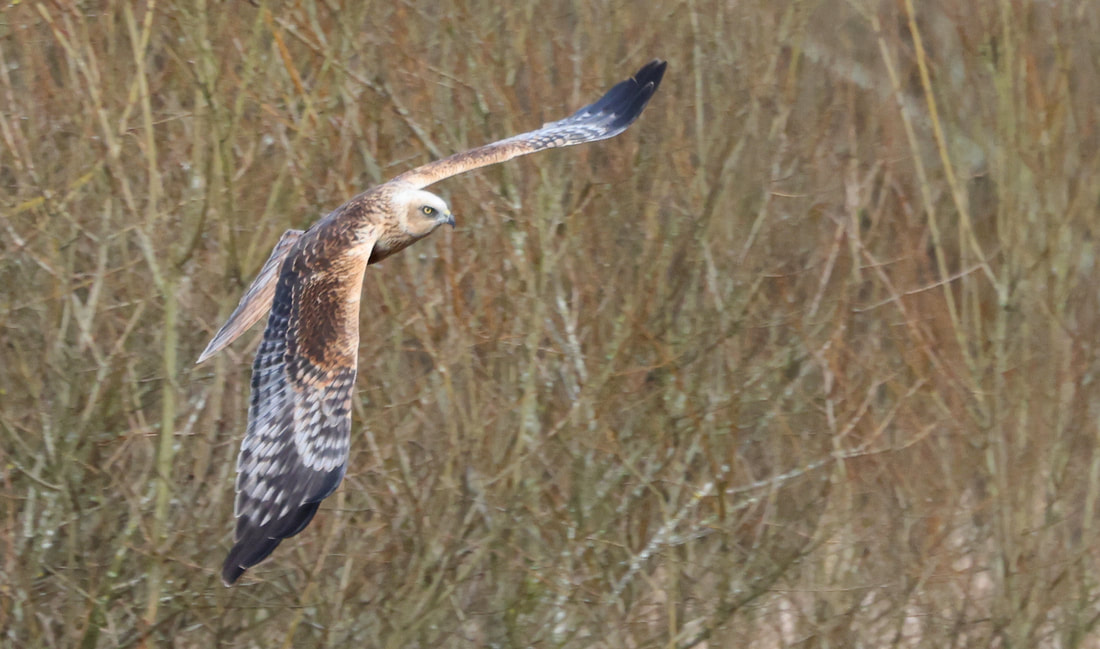 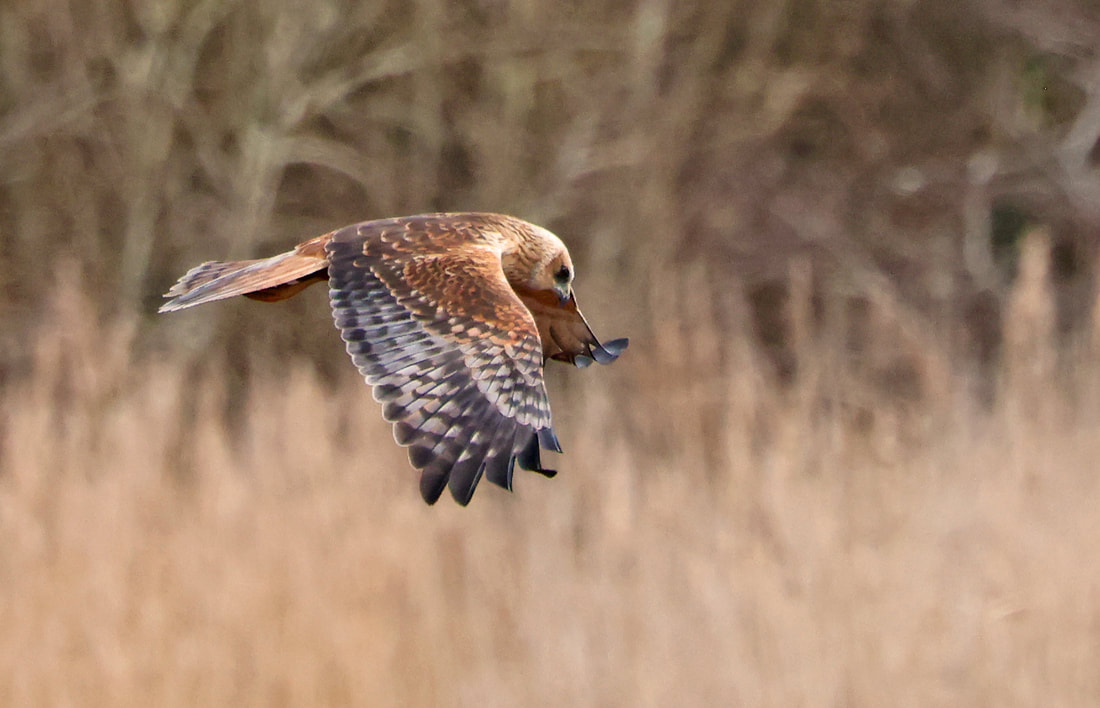 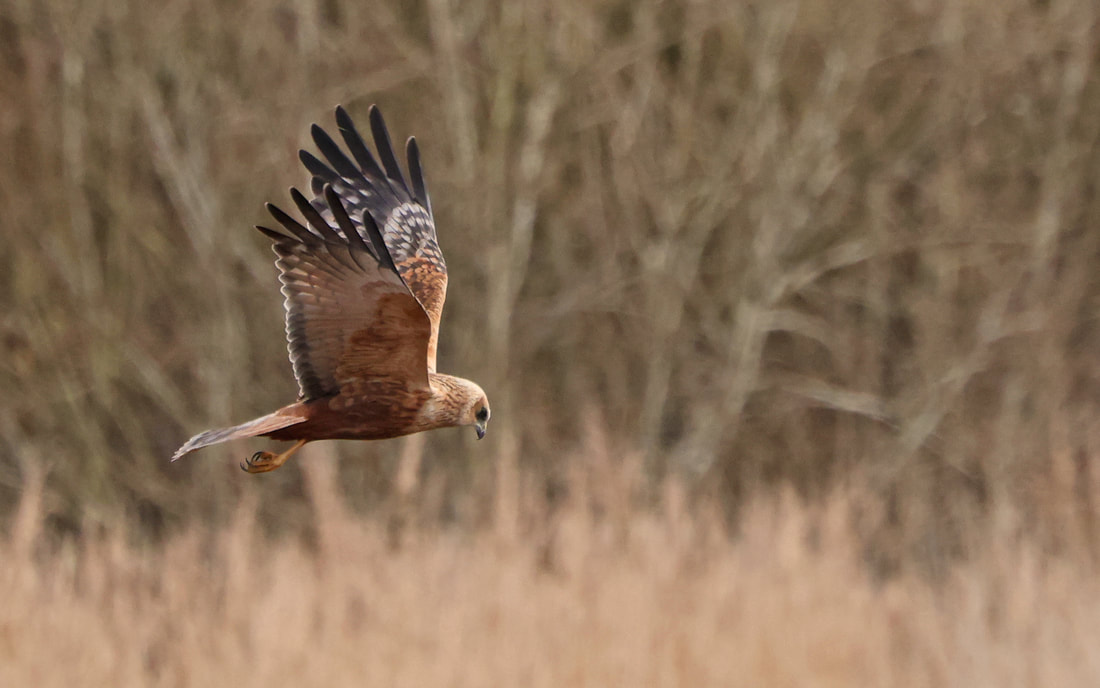 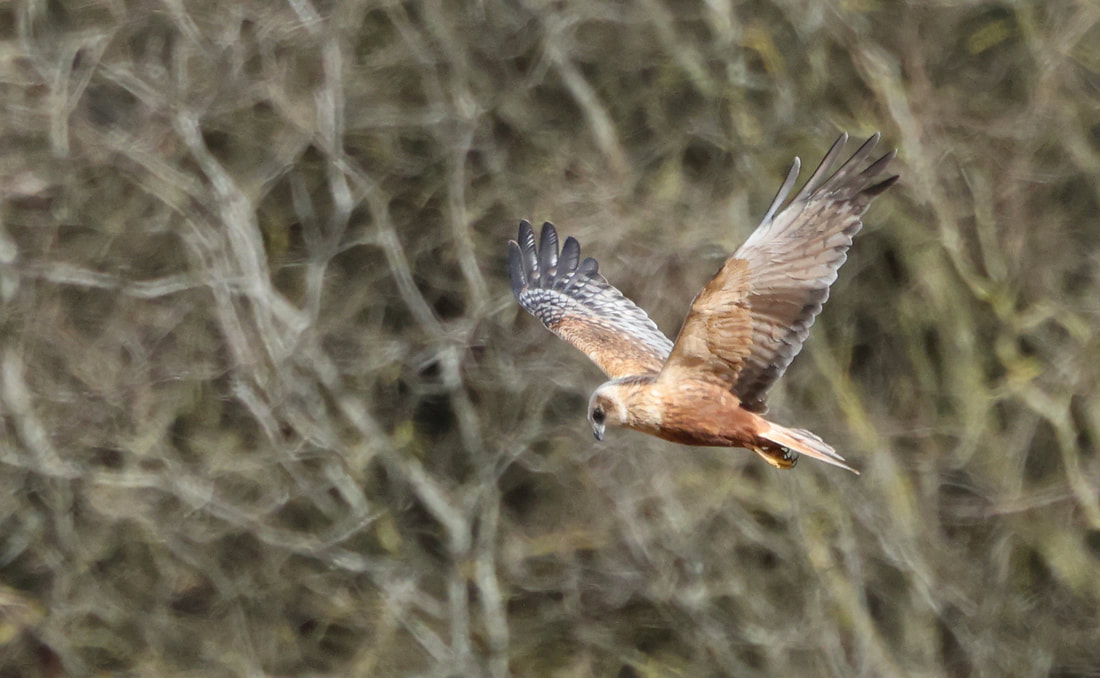 What superb markings! 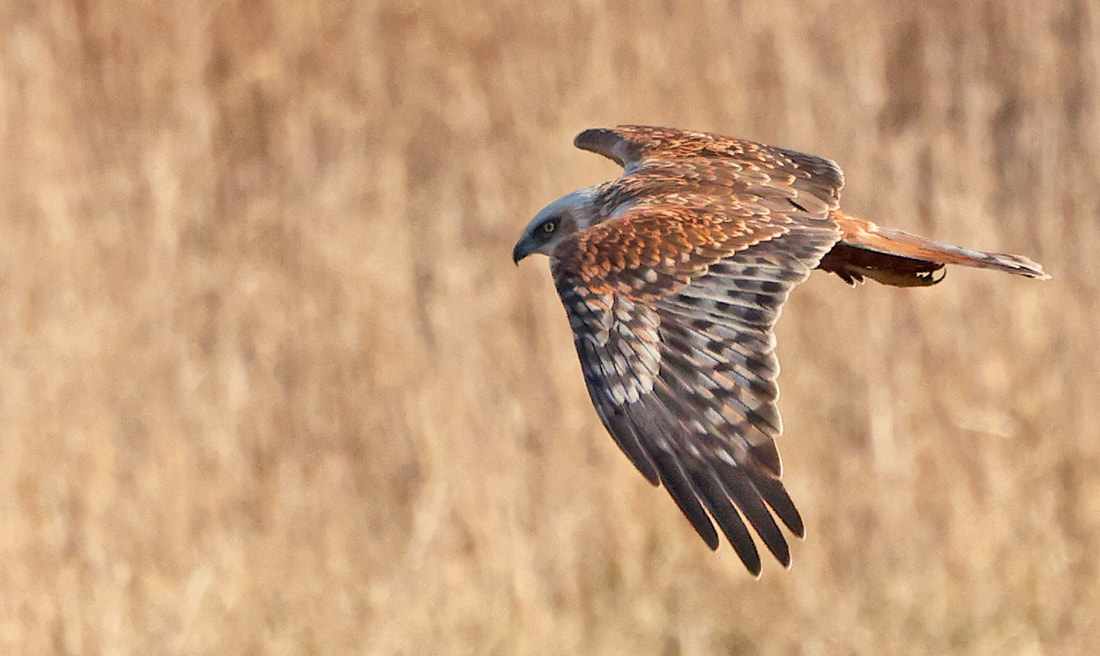 And an unsuccessful hunting attempt over the reedbed. 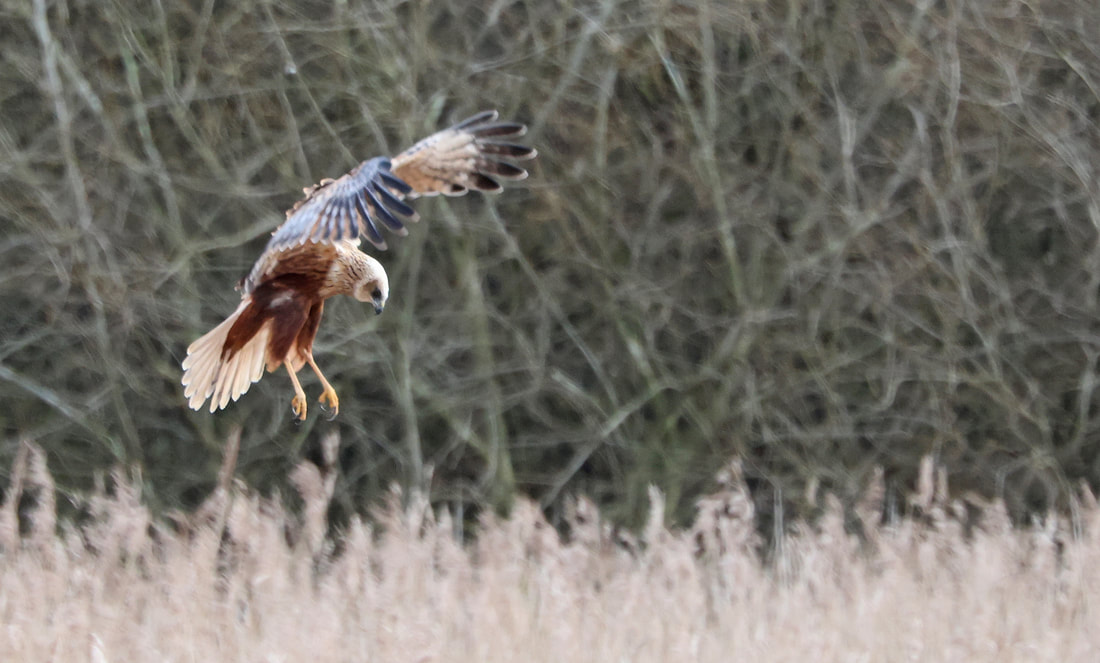 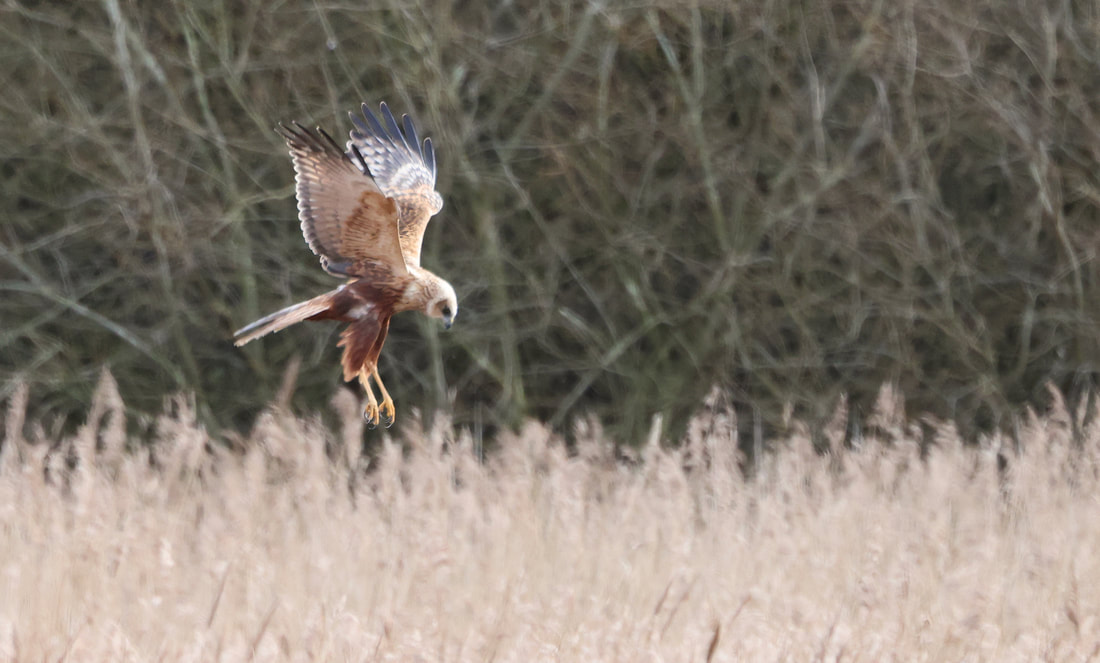 Always a great bird to see and photograph.
A break in the weather and a chance for a couple of very local trips. First stop was at Rye Meads with high water levels at the Draper hide. I'm used to seeing Little Grebes here but a Great Crested Grebe was unusual. 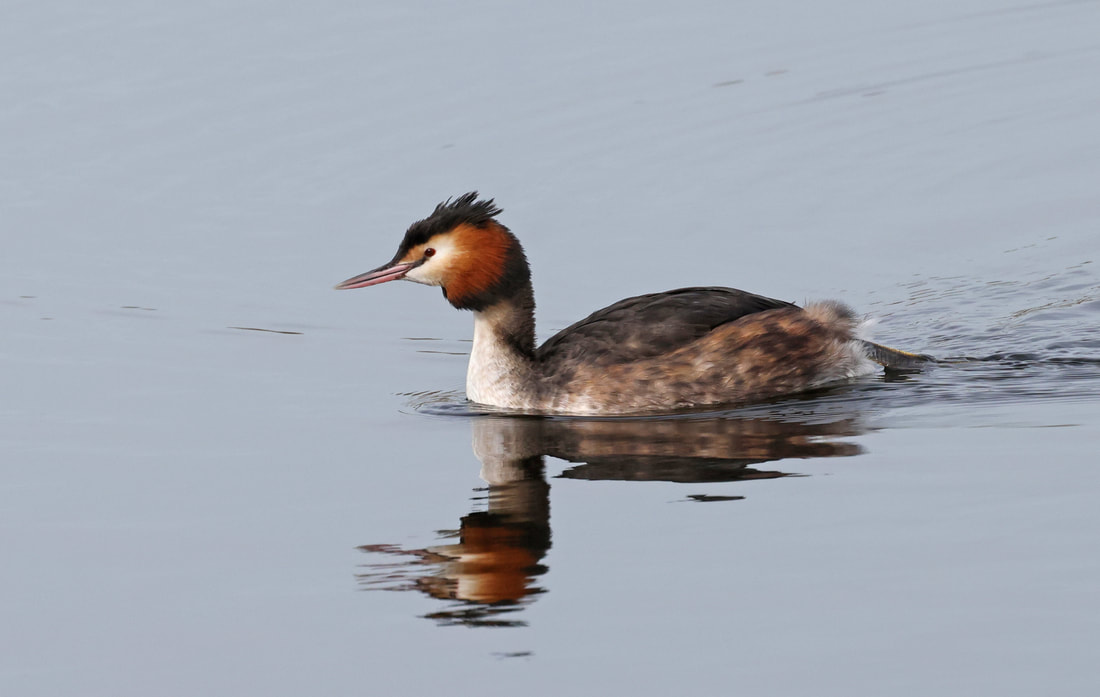 A few Pochard around and sad to hear that numbers of this attractive duck are falling. This one came in close for a wash. 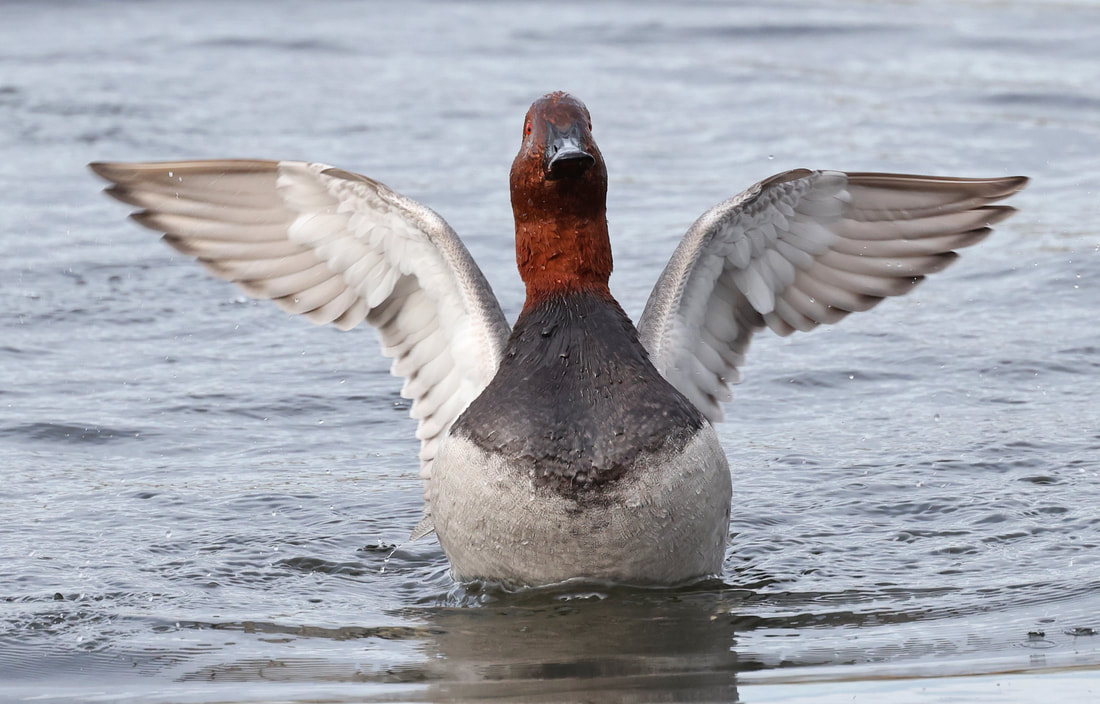 Teal are our smallest duck and it was nice to see a small flock fly in. 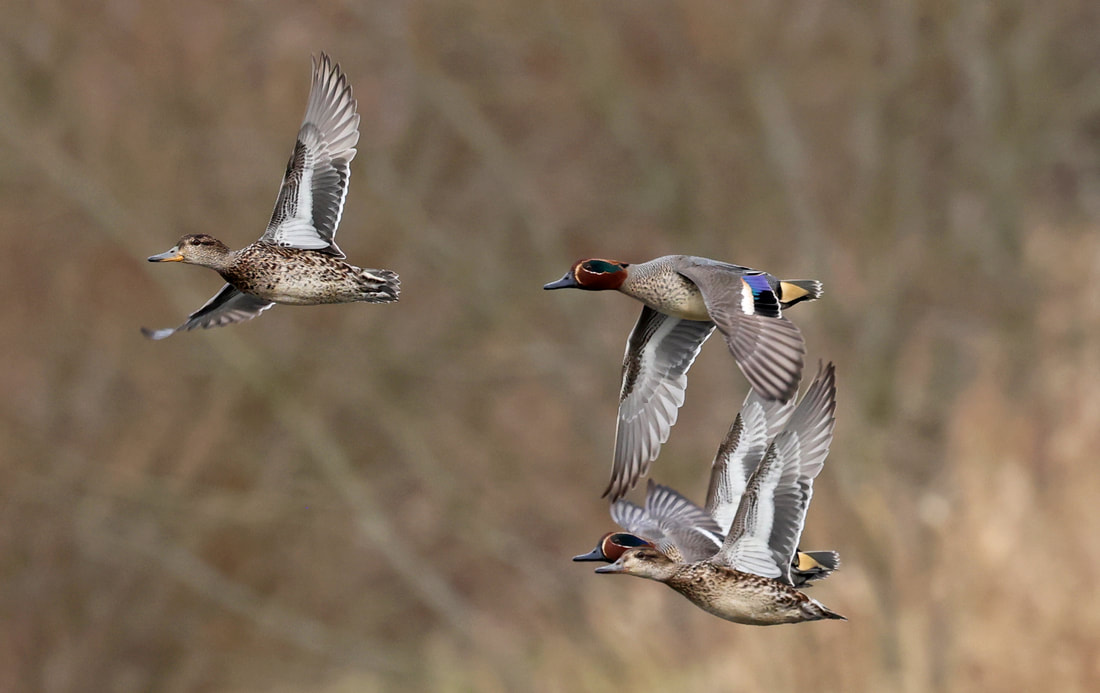 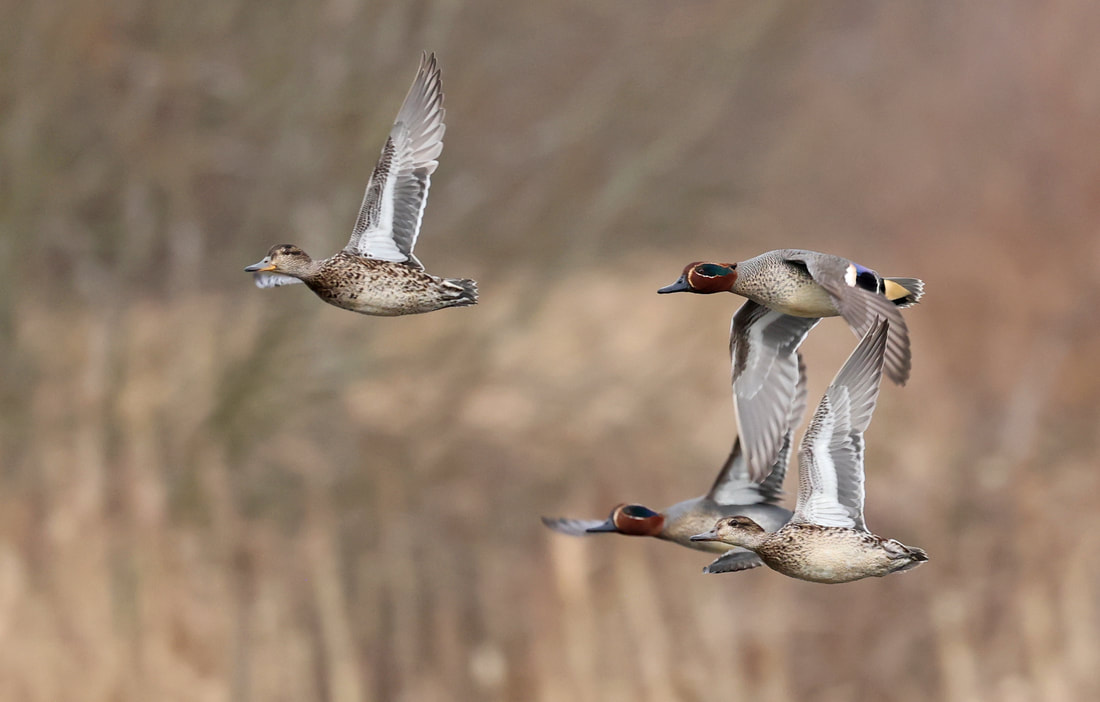 It is always entertaining watching Coots and their endless battles! There were quite a few squabbles over mates and territories. 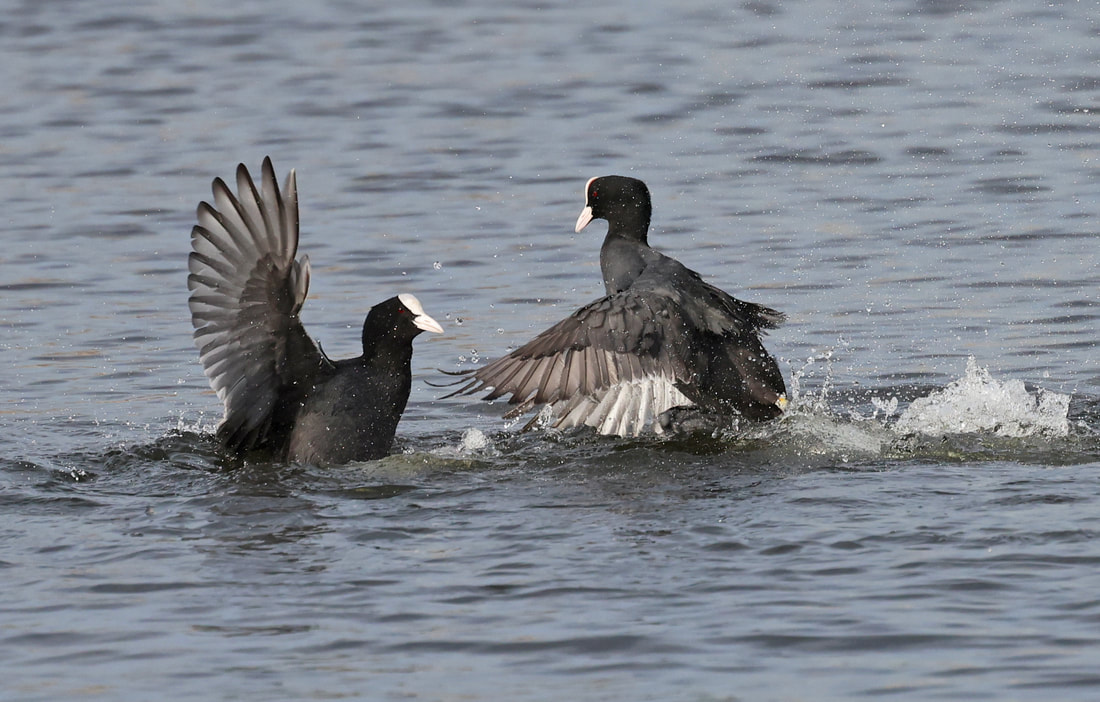 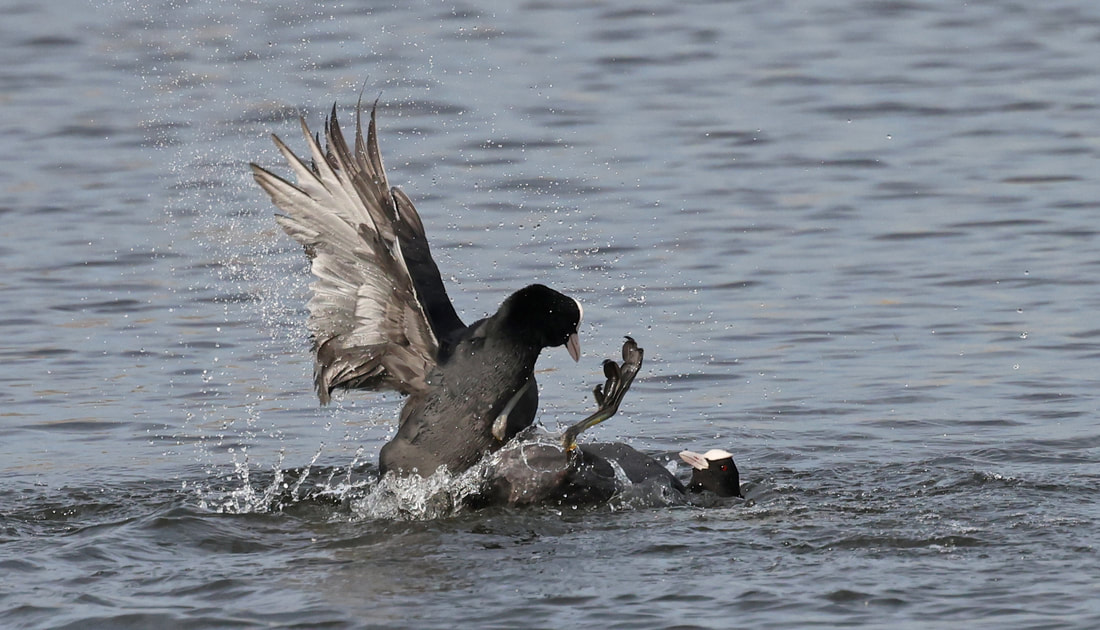 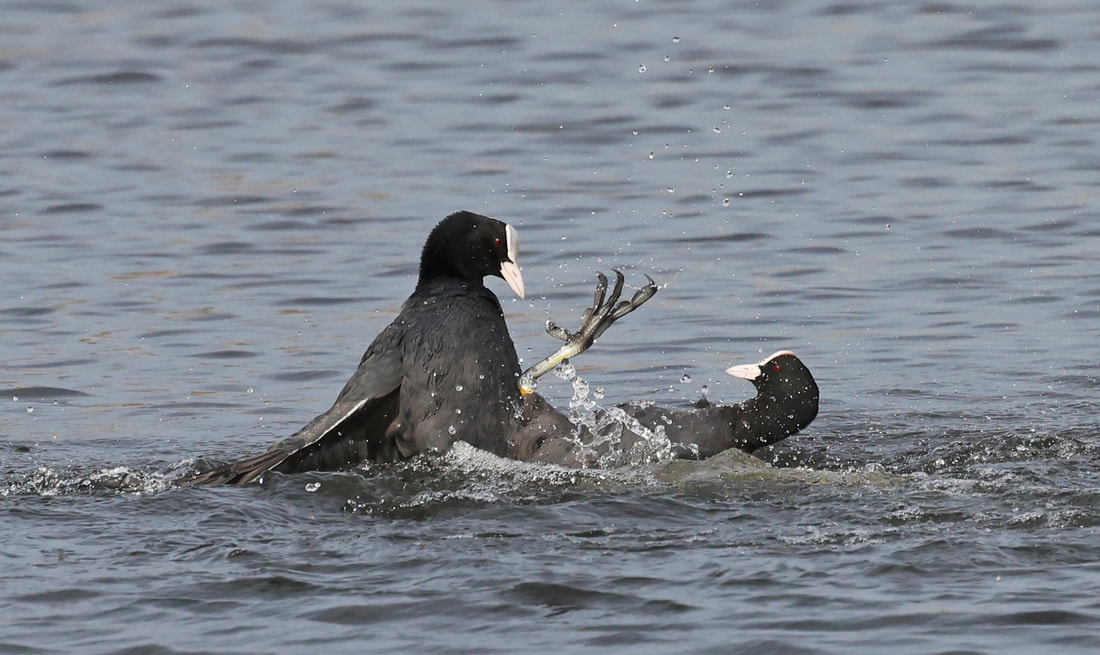 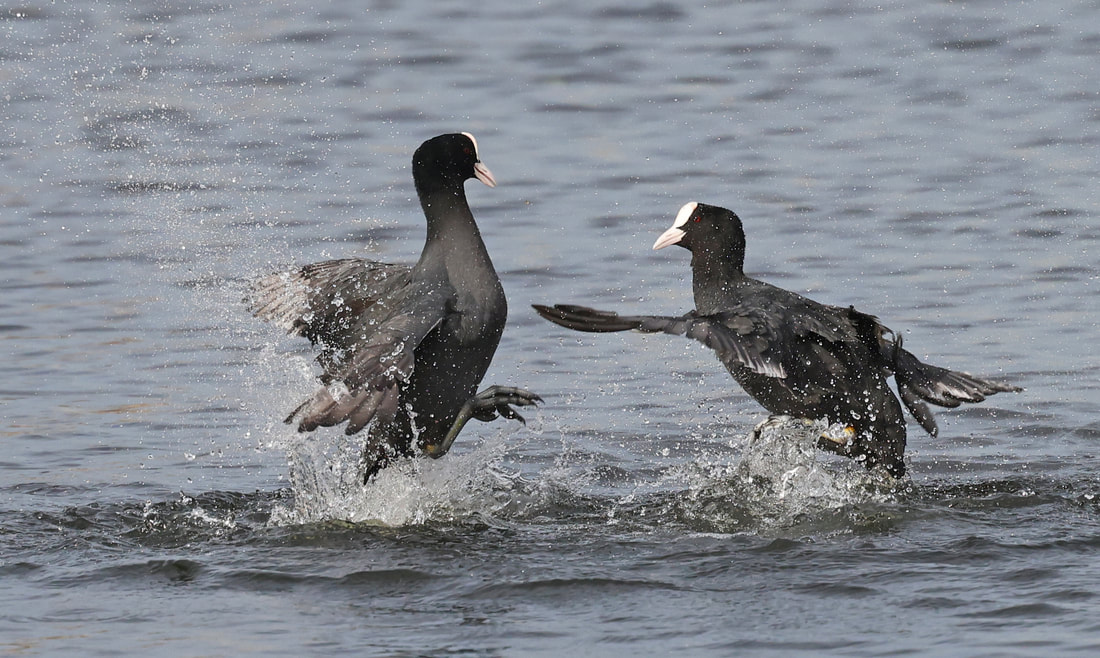 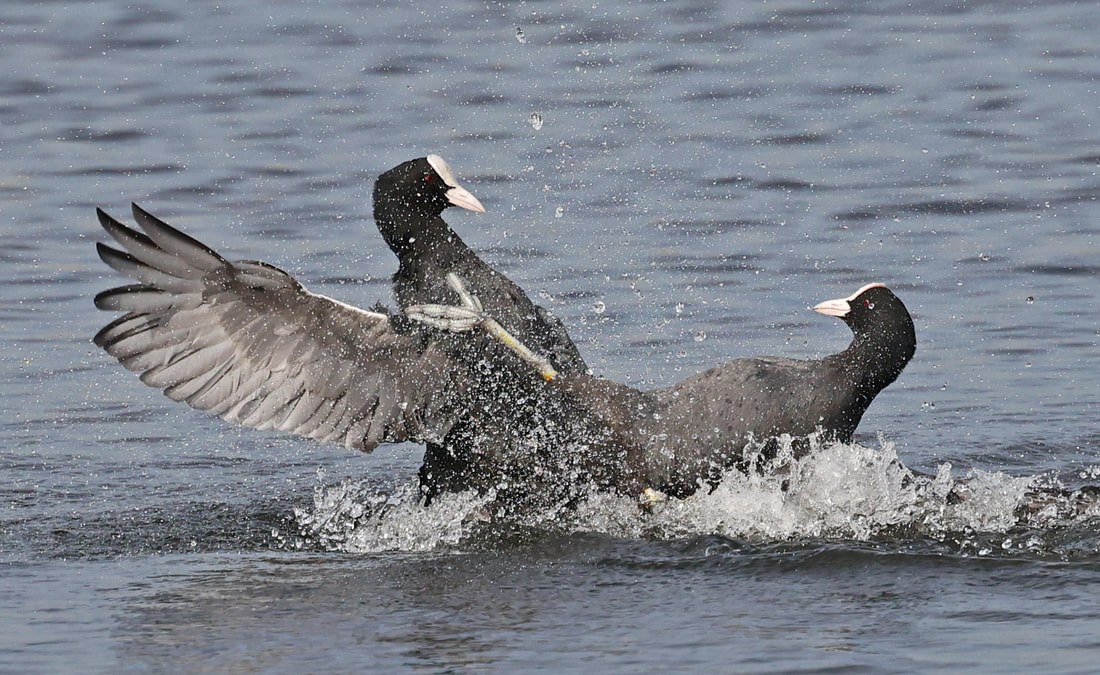 But the star bird was this tiny Goldcrest just past the hide. 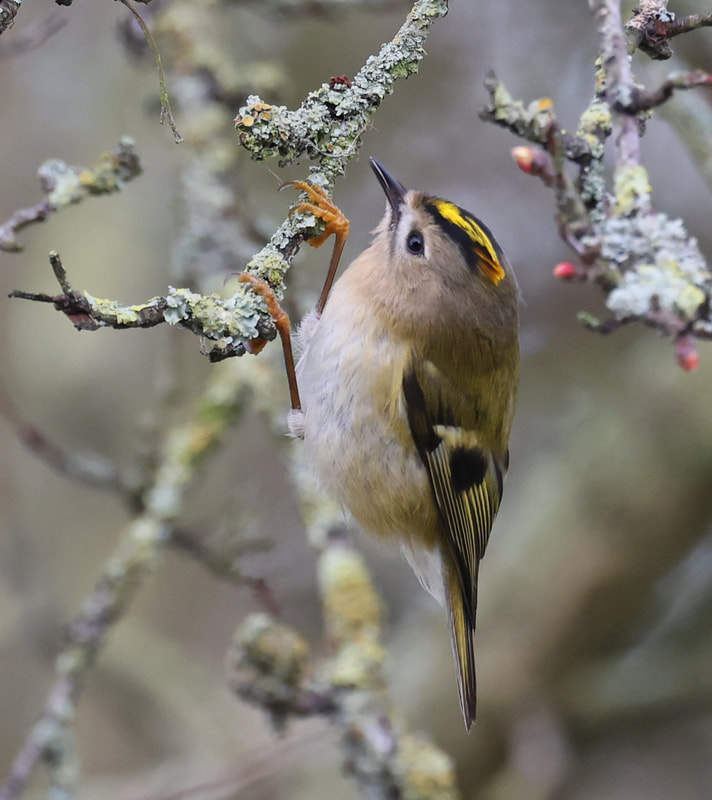 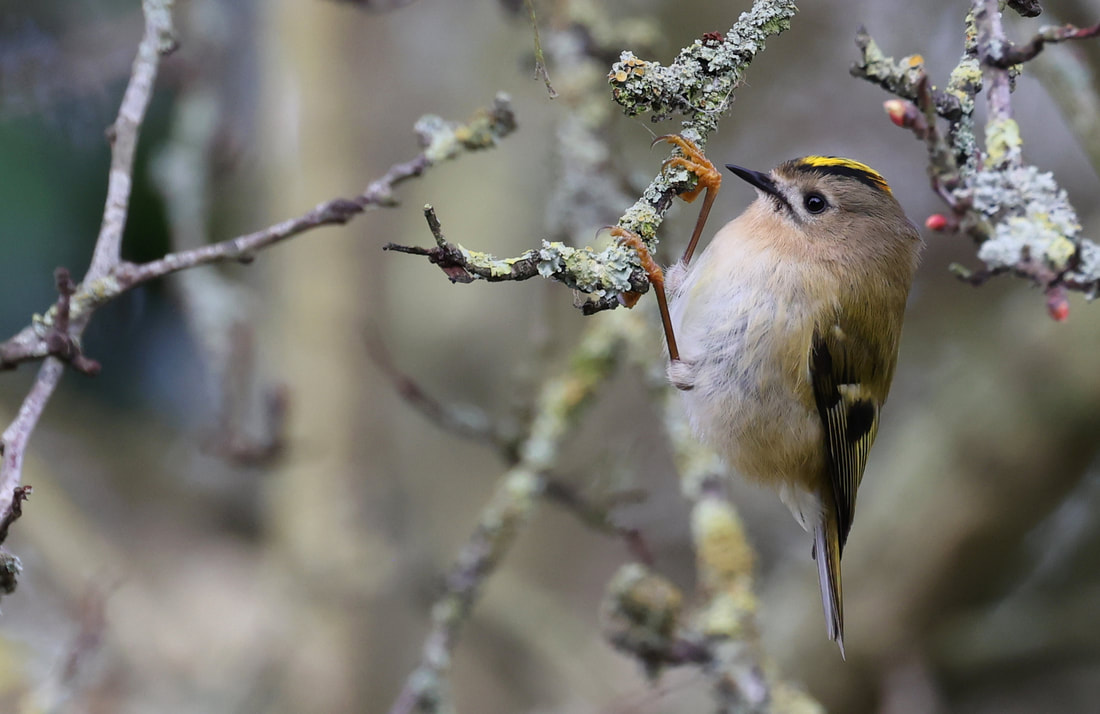 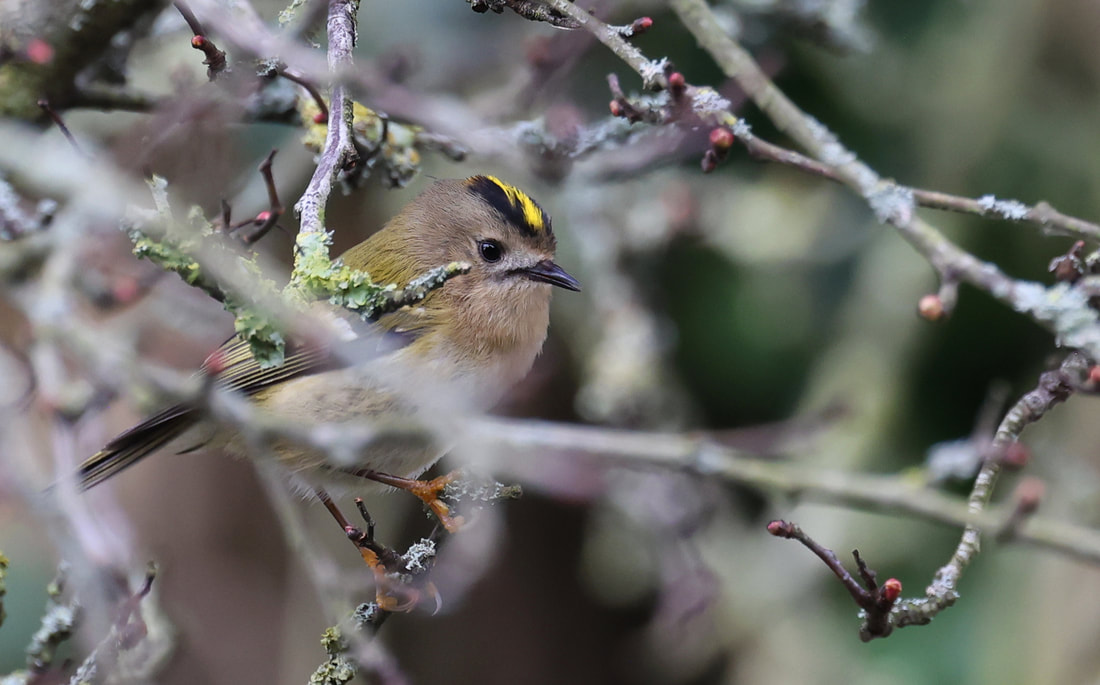 Amwell the following day provided a red head Smew, Red-Crested Pochards, Raven and a female Goosander, but all too far away for meaningful pictures. However, on Widbury Hill six Red Kites were riding the thermals in beautiful light. 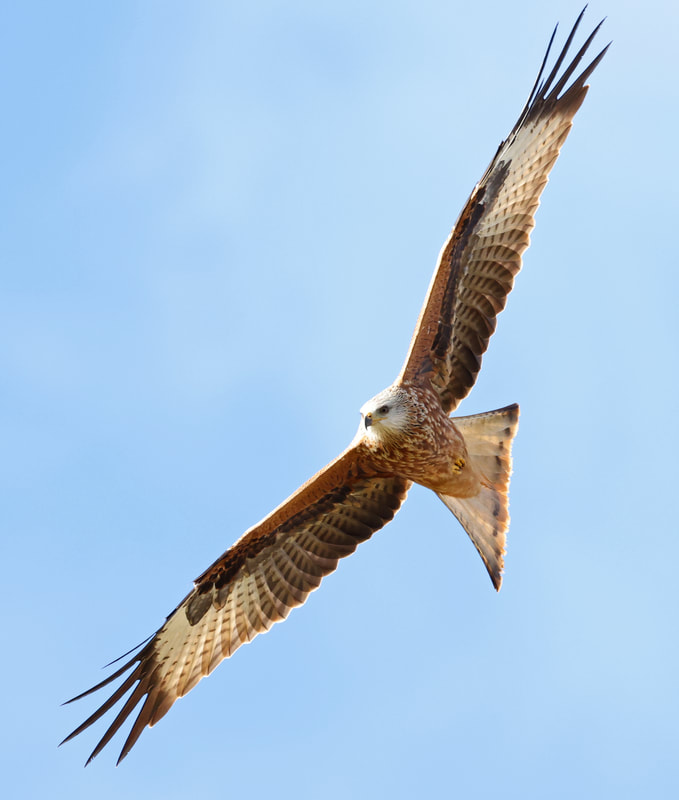 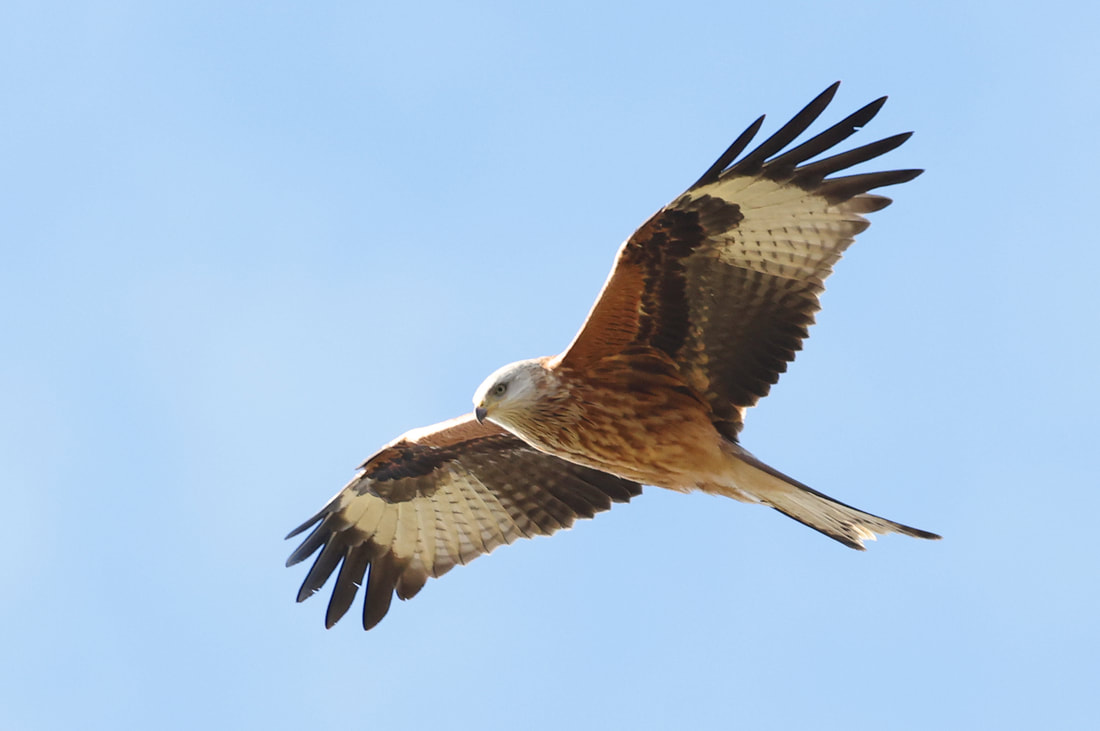 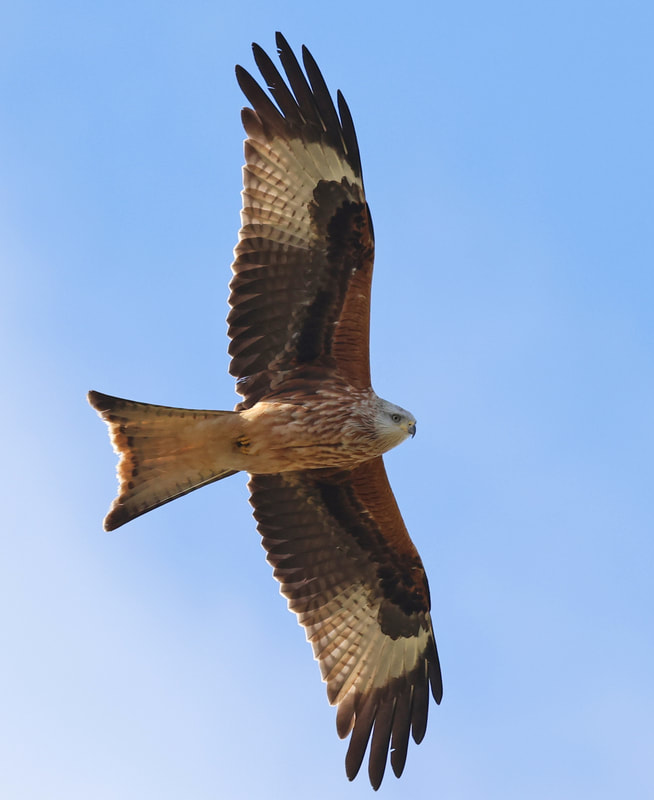 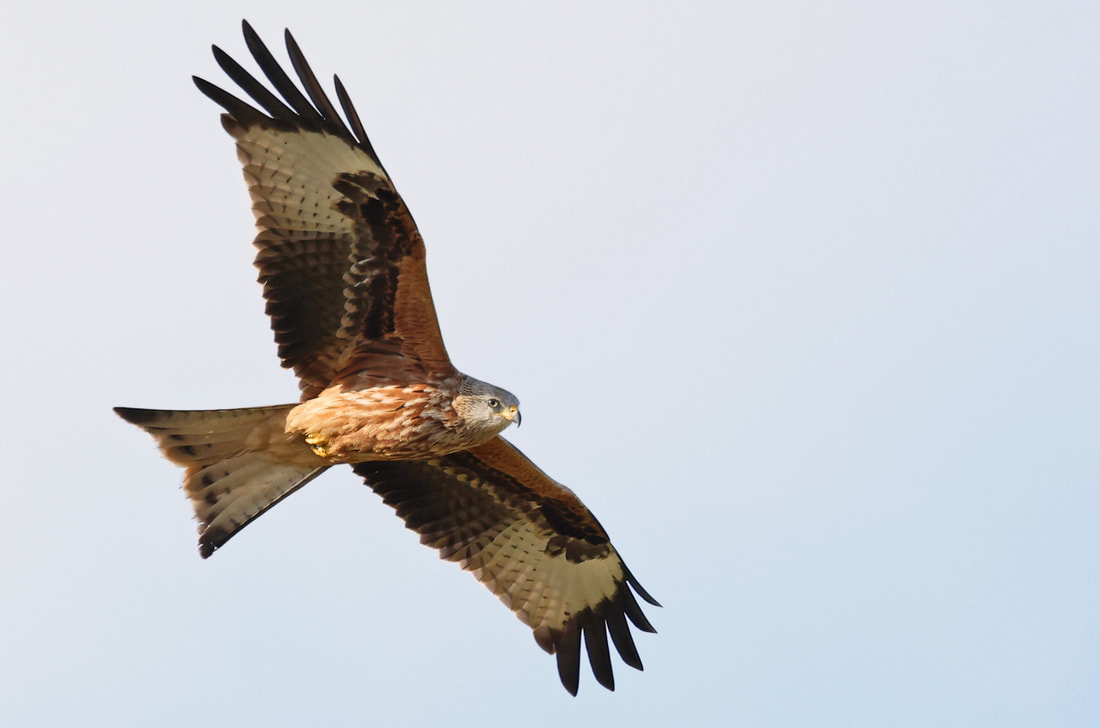 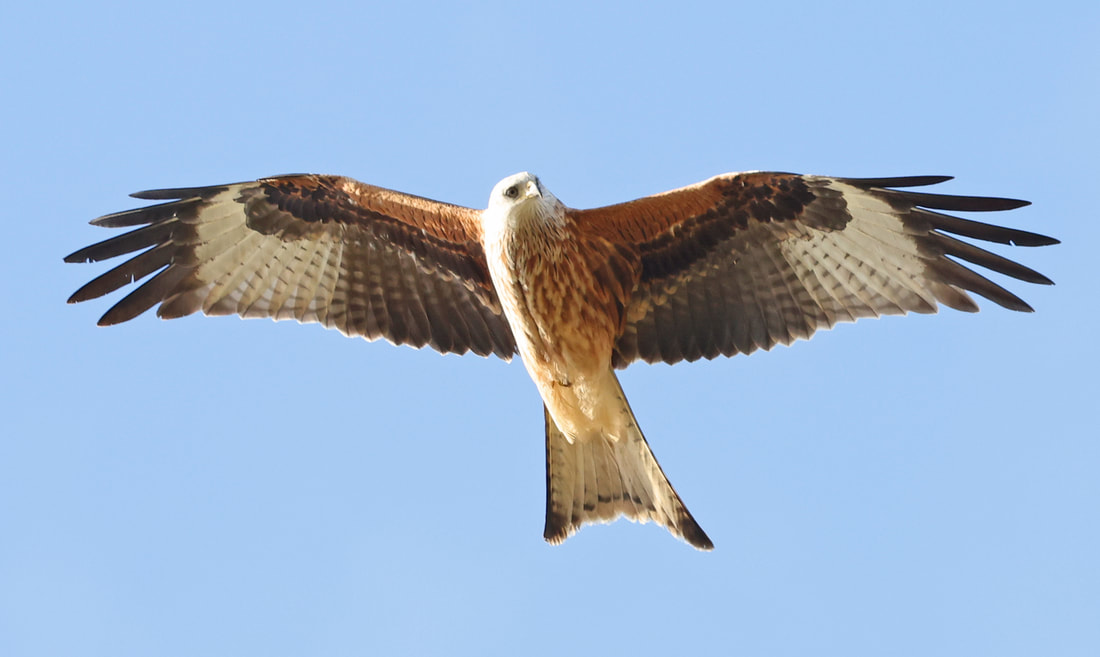 And finally, by the entrance to James hide, a small flock of Siskin. 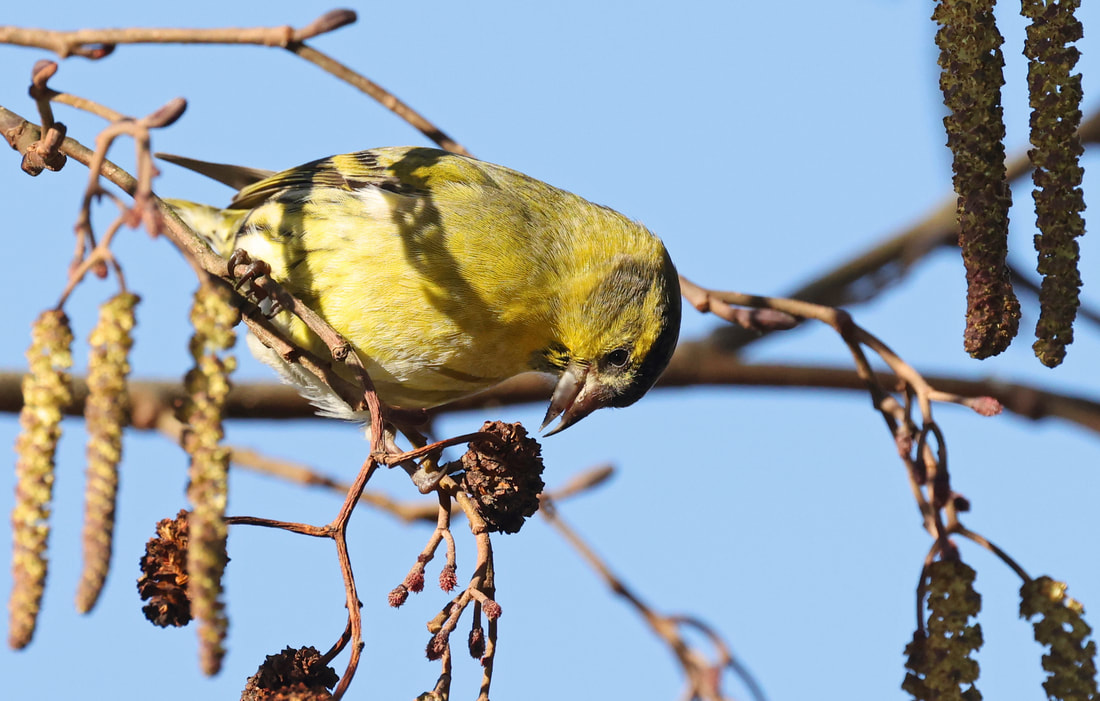 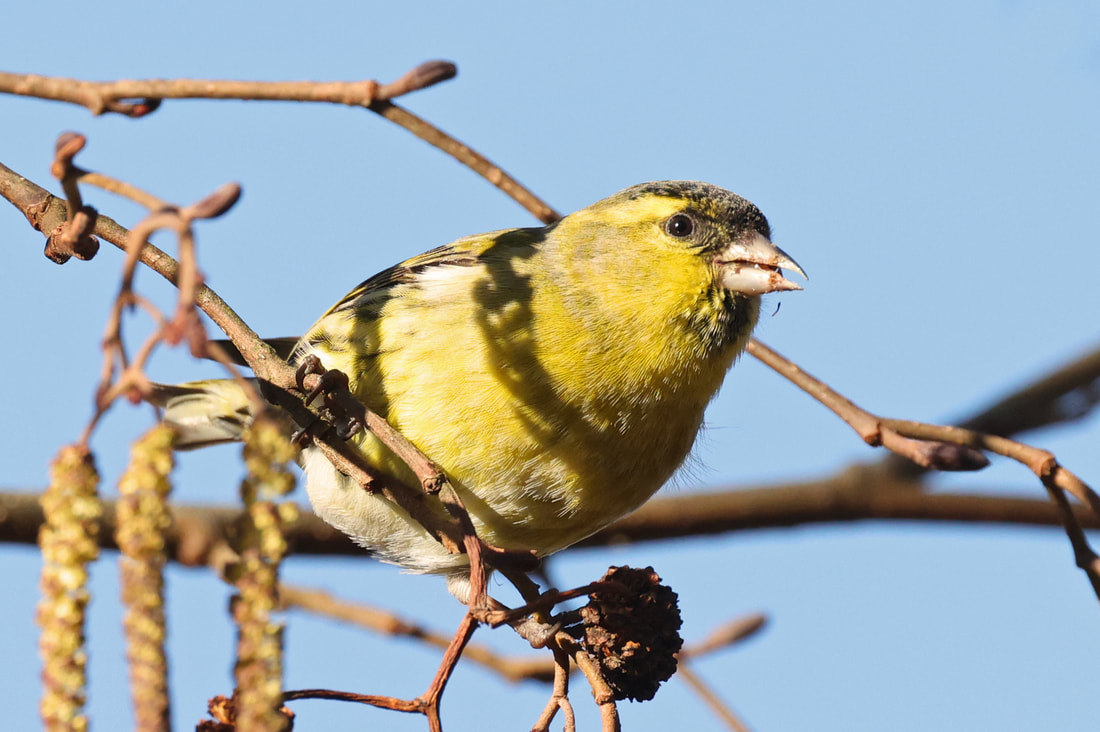 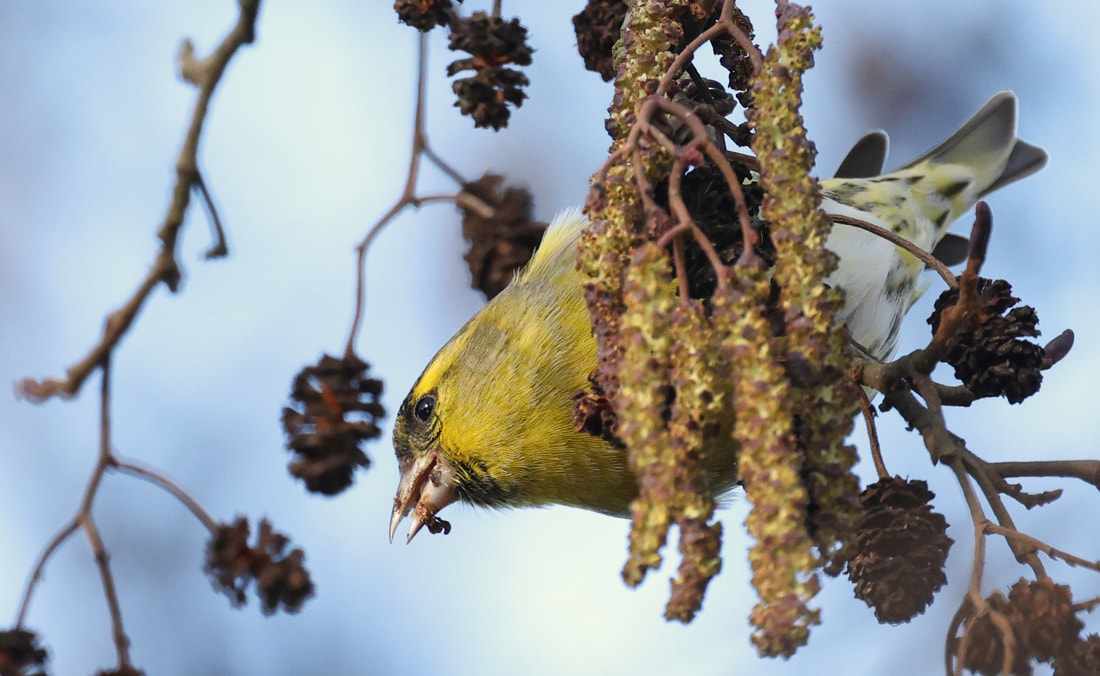 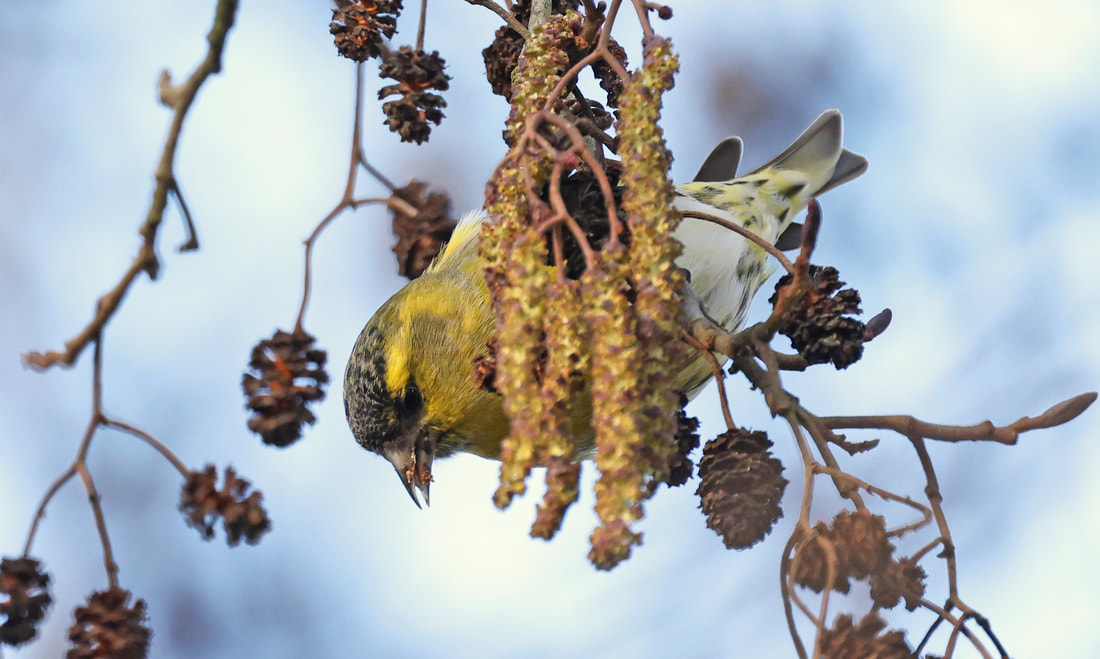 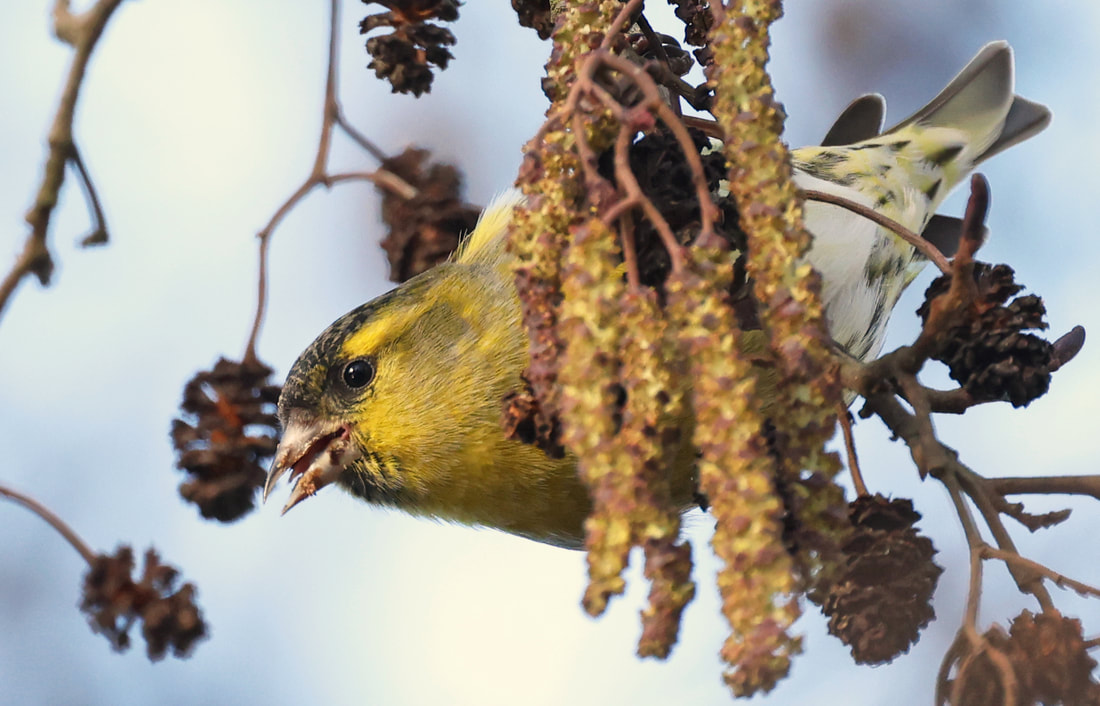 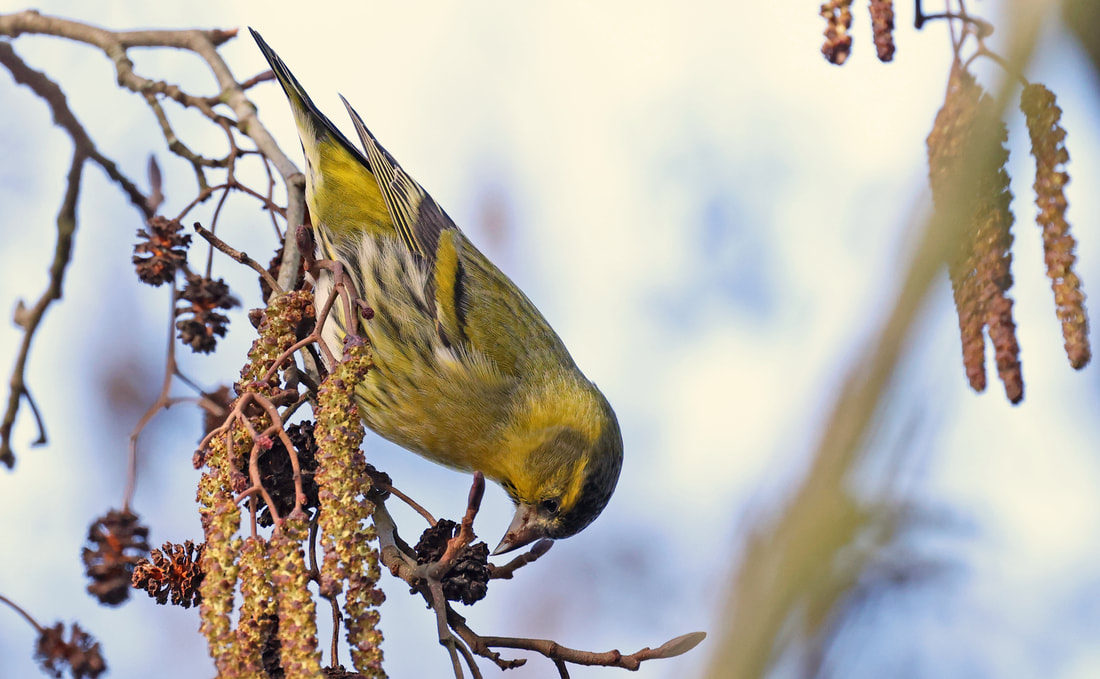 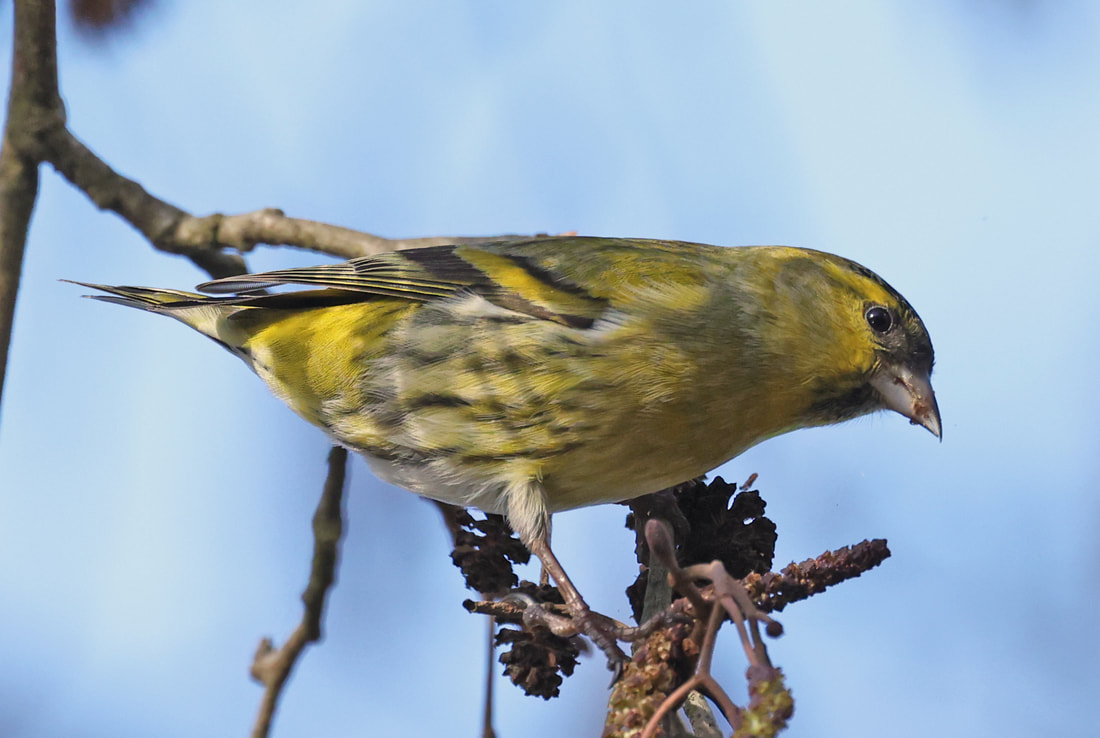 Great to have such close views!
An outing to the Brecks with a first stop at Cockley Cley in the hope of seeing displaying Goshawks. Lots of Buzzards, Red Kites and Pigs but sadly no Goshawks during our watch. So next stop was Lynford Arboretum. After a coffee it was a case of scanning "the tunnel" where a number of smaller birds were coming down to feed and/or drink. It was rather gloomy so not great for photography. A few Brambling were present and a couple of Yellowhammer, including this one. 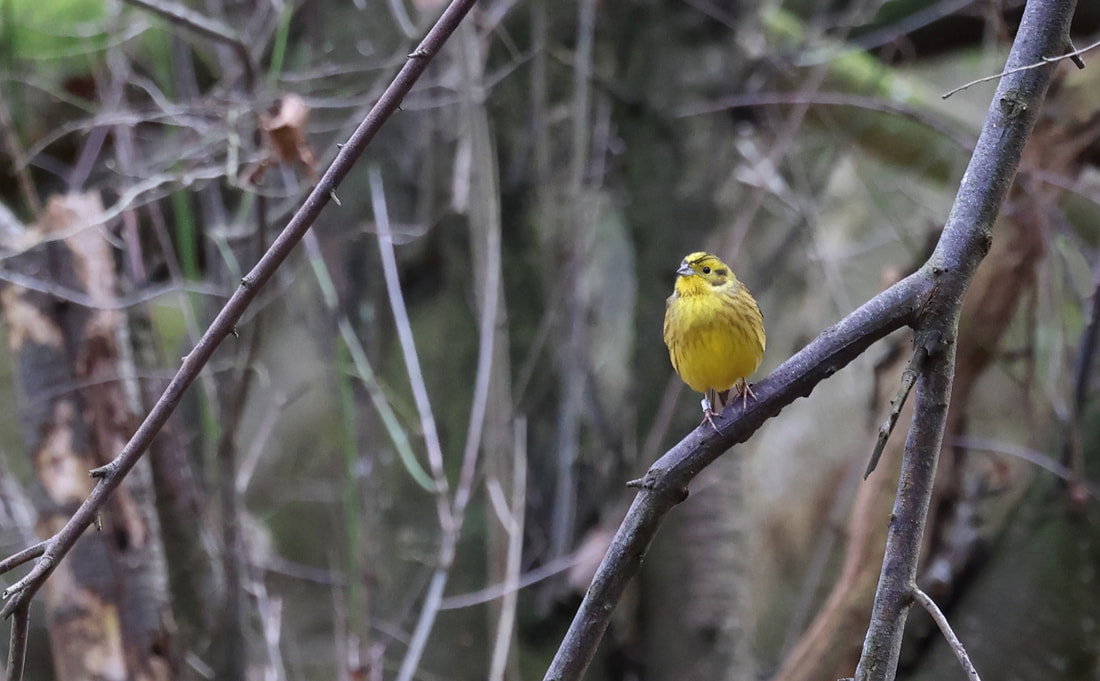 Another visitor was this Great Spotted Woodpecker. 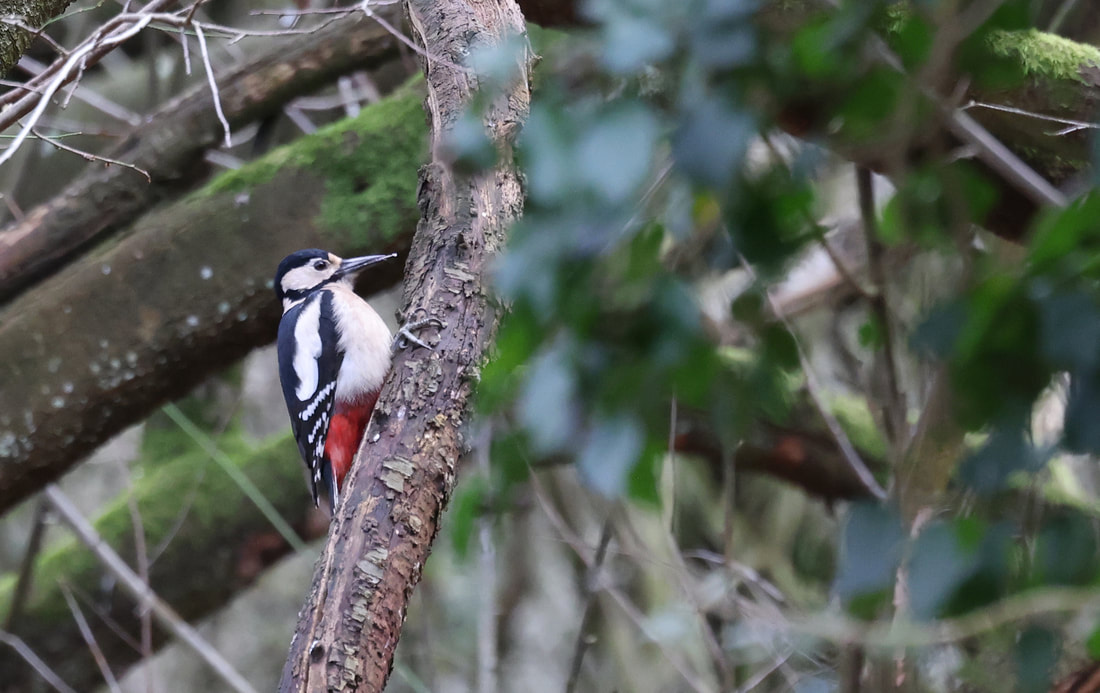 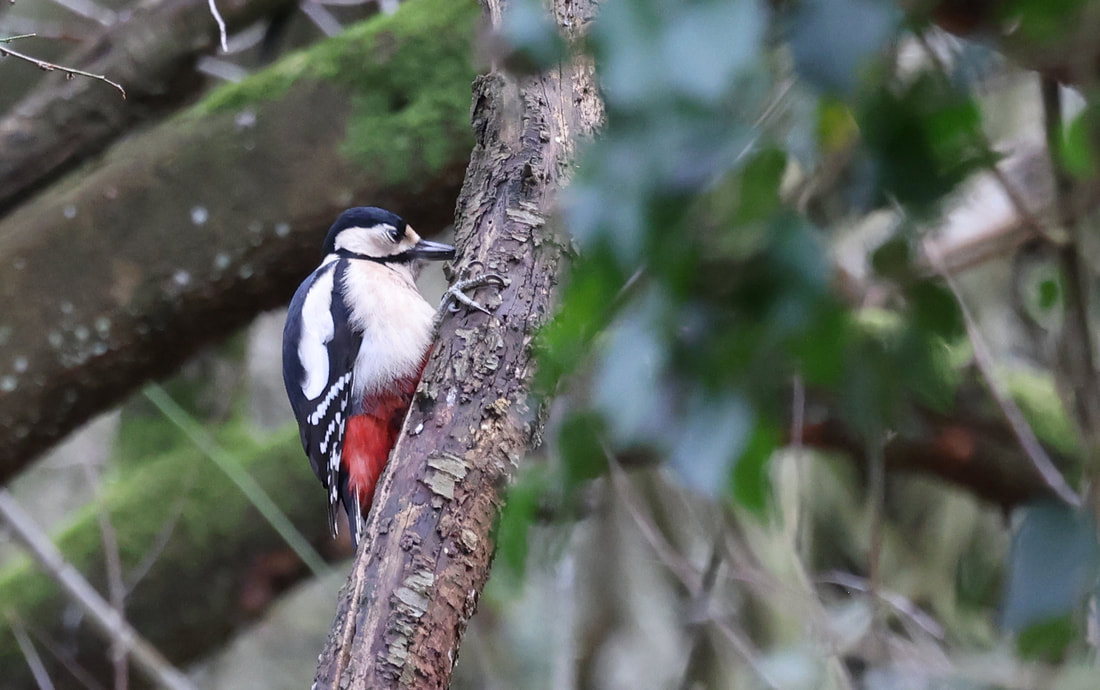 A few Redwings were moving around and it was good to get one come down to drink next to a Song Thrush. 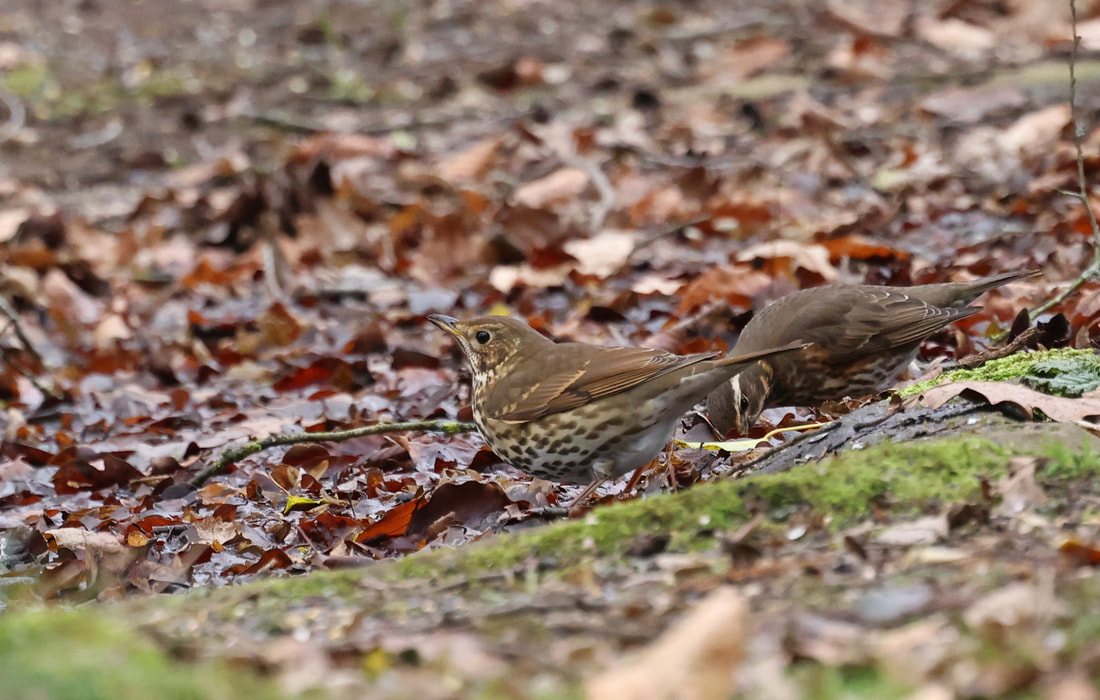 But the star of the tunnel area was this Hawfinch who favoured the far end! 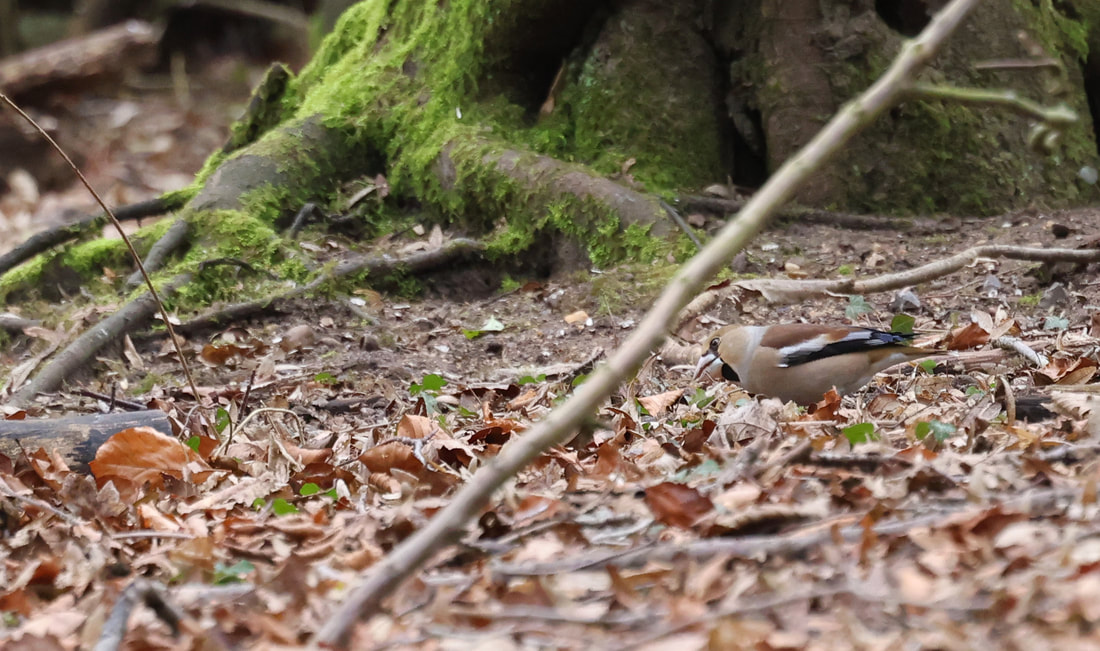 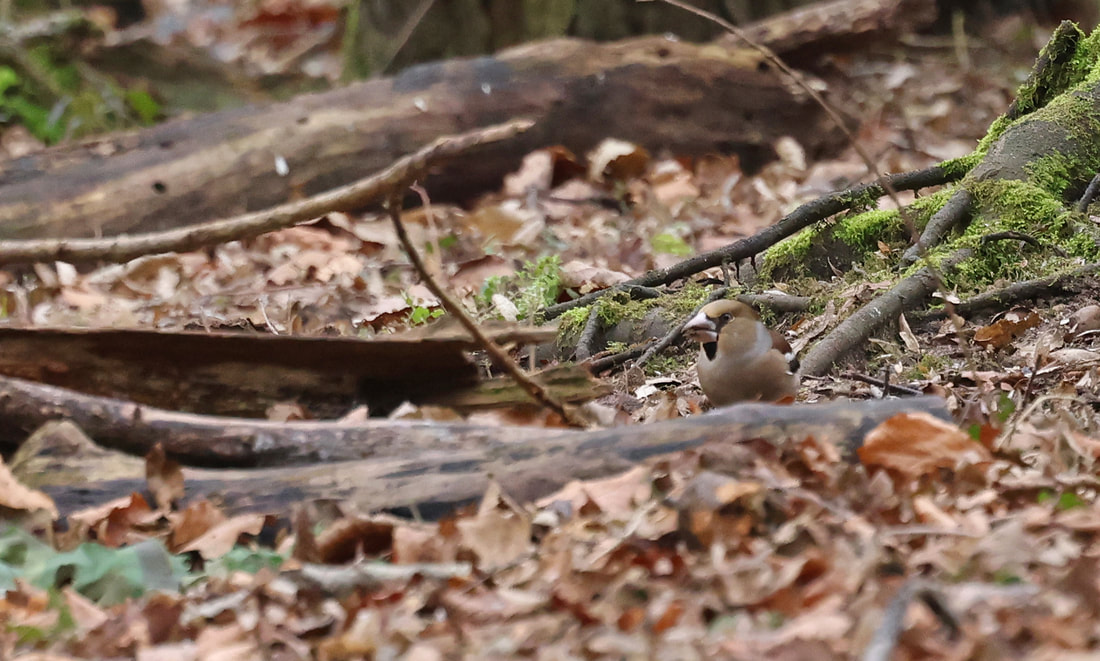 It is always a good place to walk around and the emerging Snowdrops were a nice bonus. 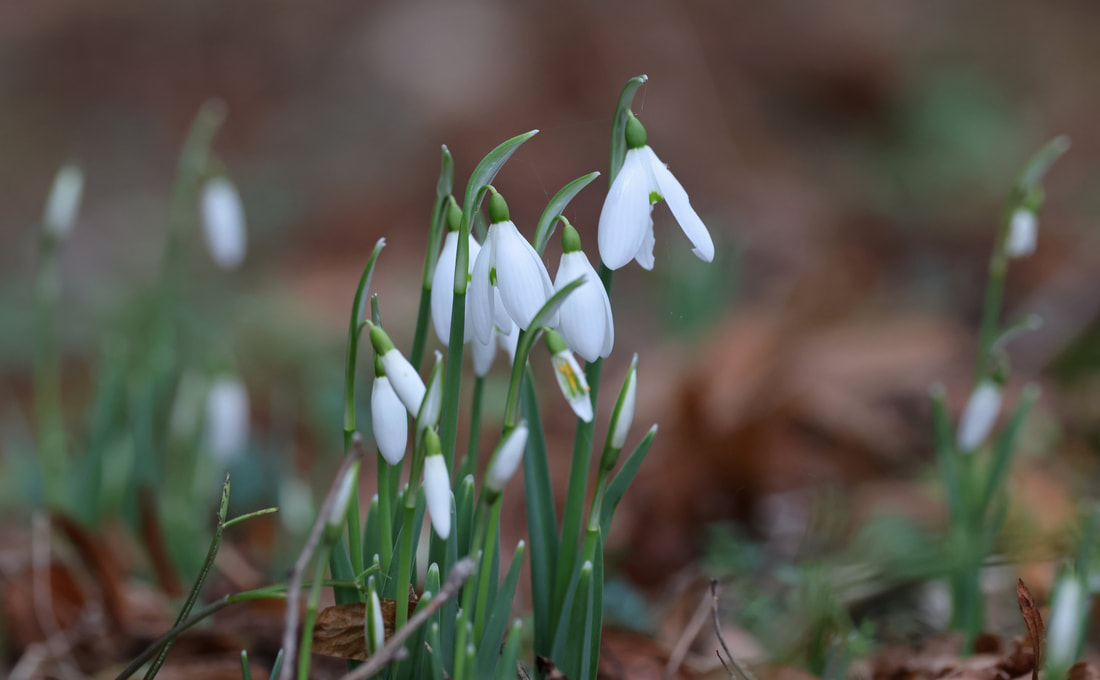 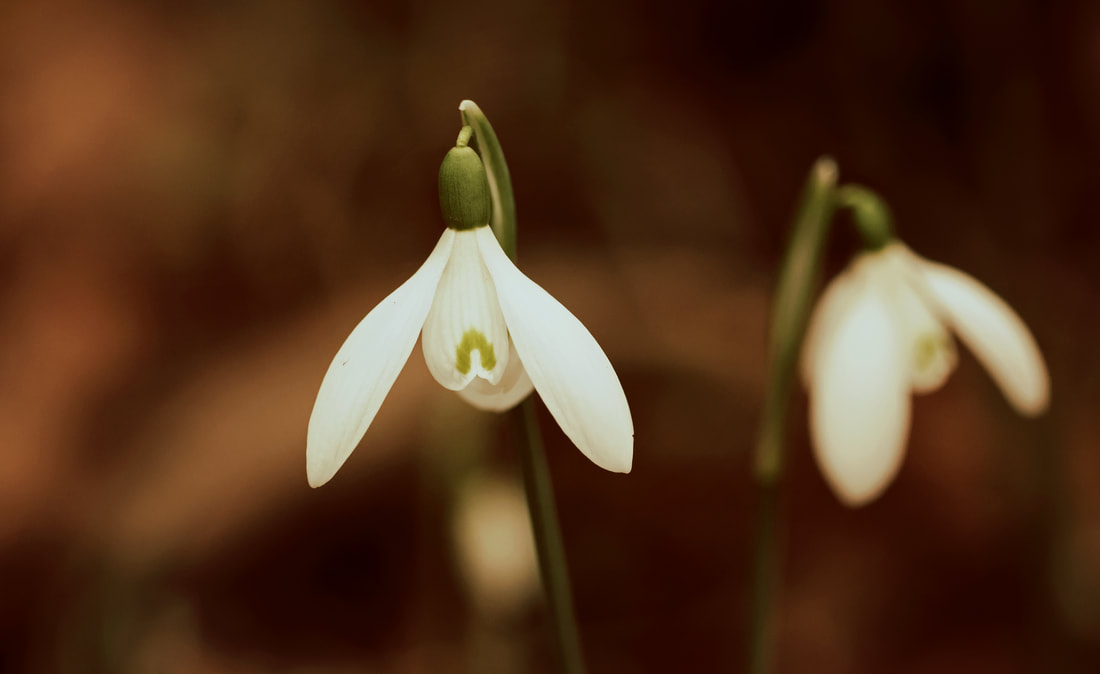 On to the bridge and there were around 9 or 10 Crossbills high up in the trees. 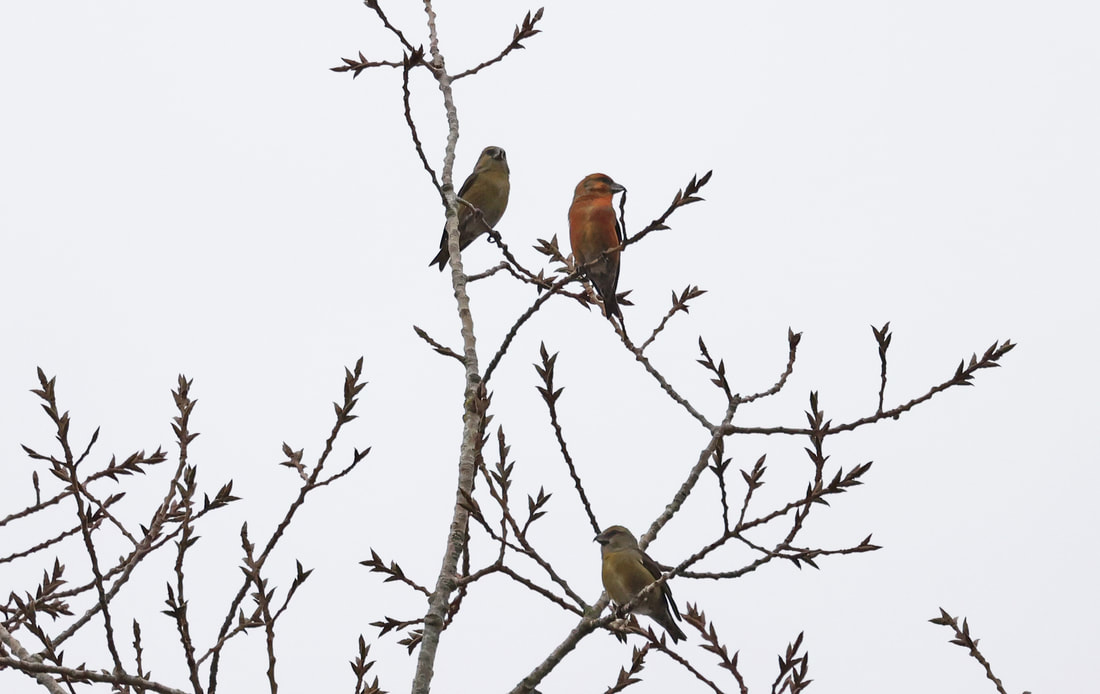 Fortunately, one of the males briefly came down lower. 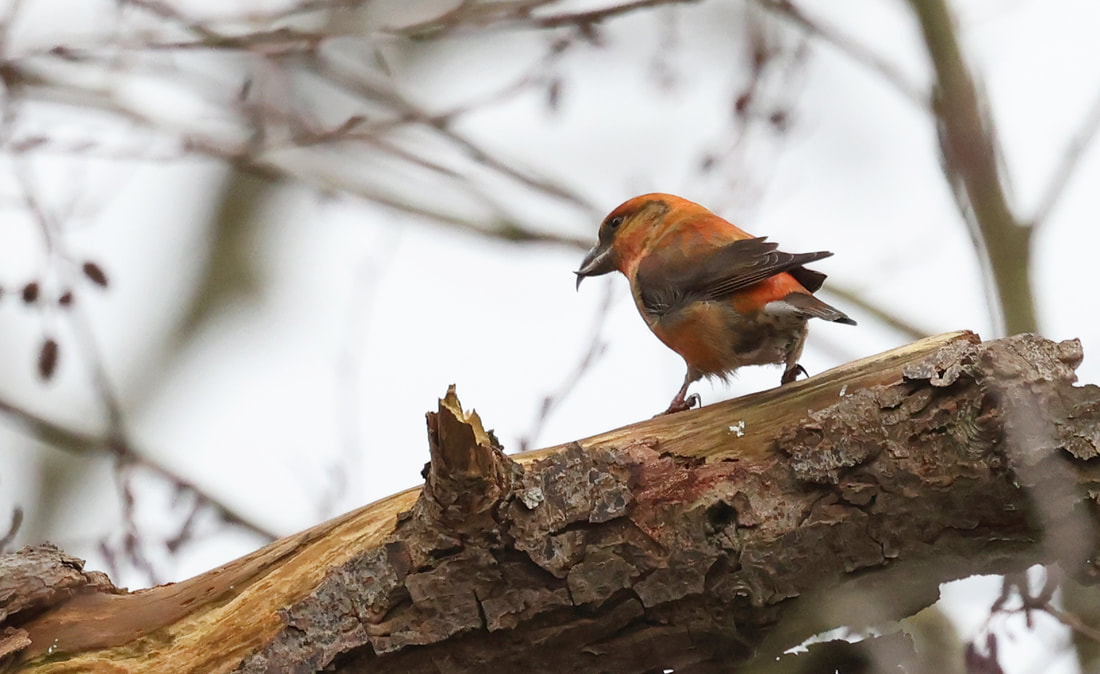 It was time to use the "Alan Reynold's mossy log on a bridge" trick and get some images of the birds coming in to feed, starting with Robin, Blackbird and Chaffinch. 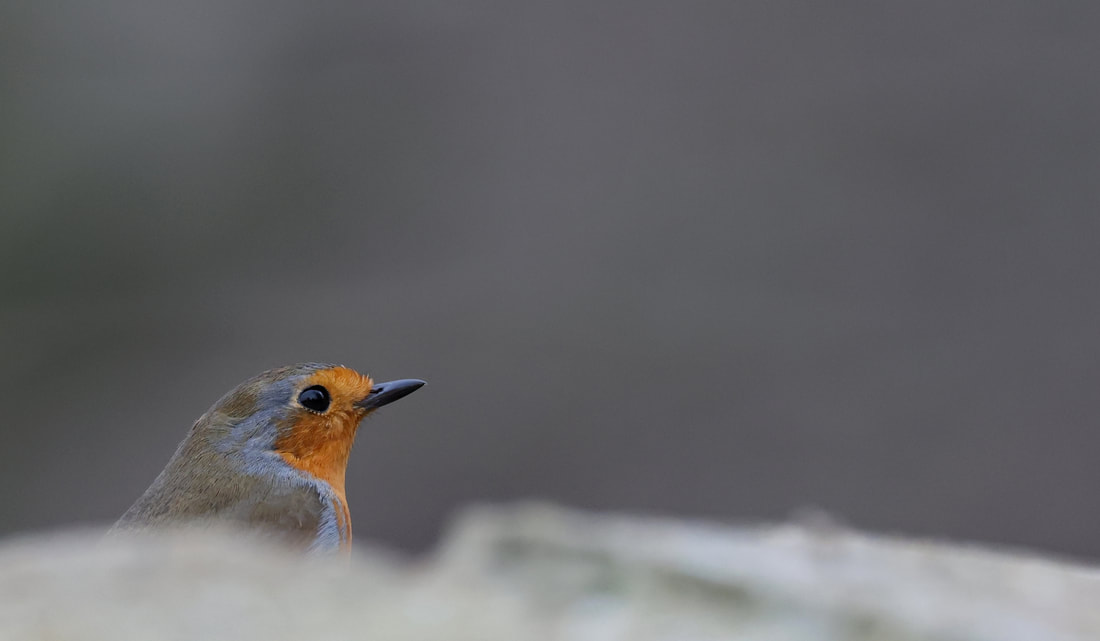 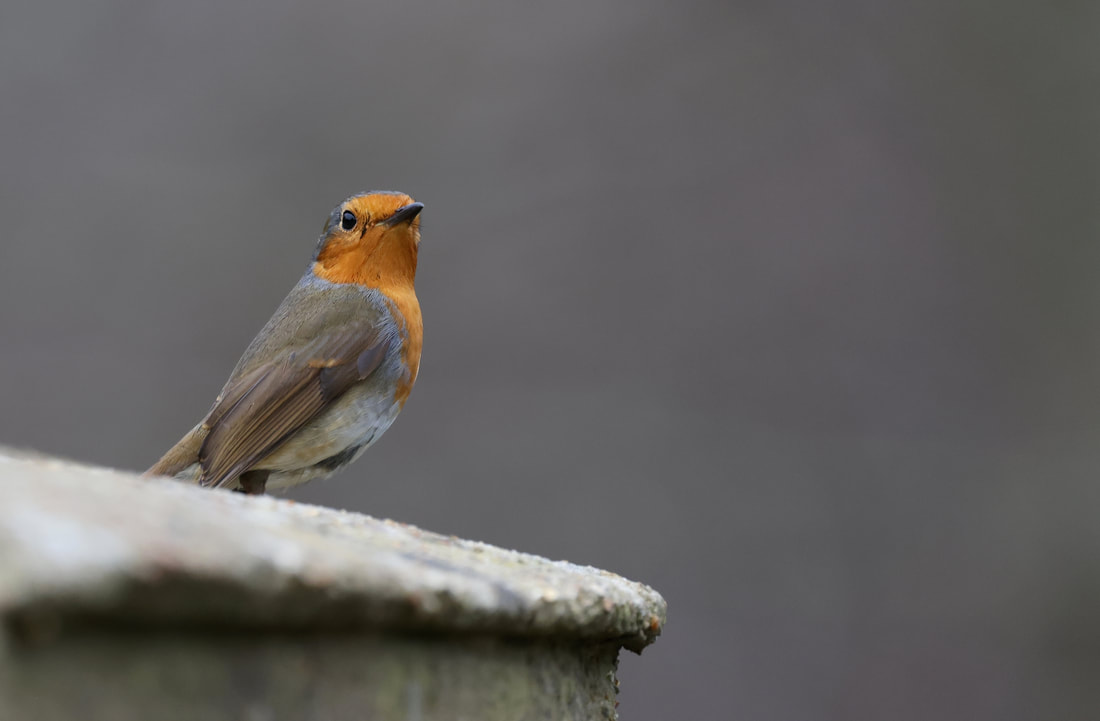 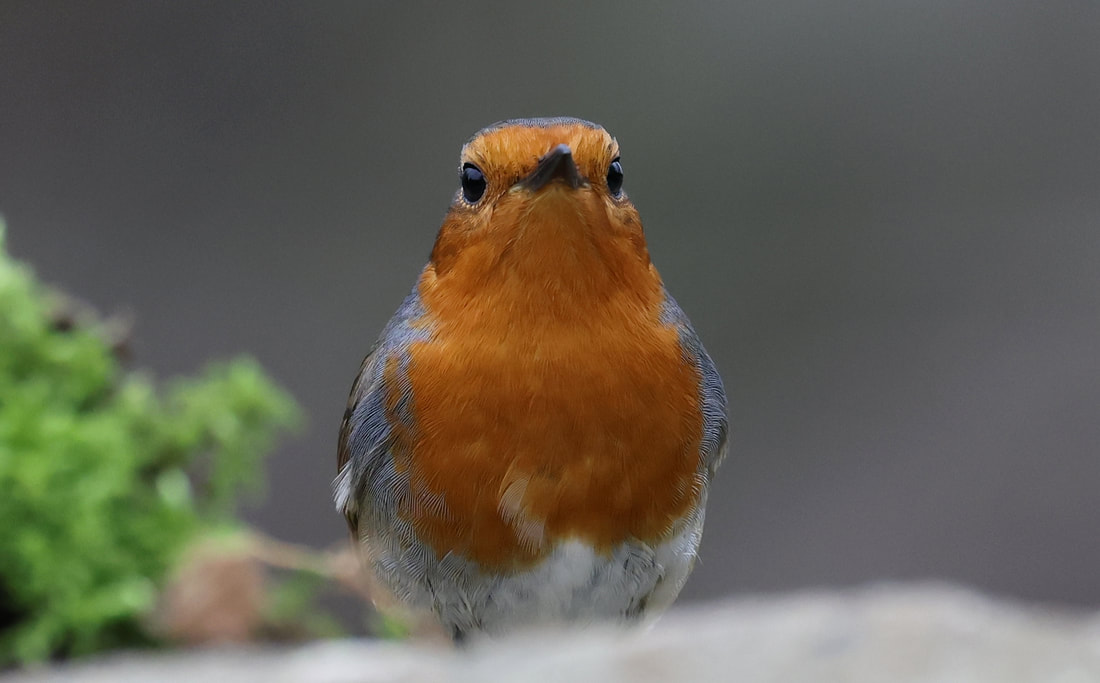 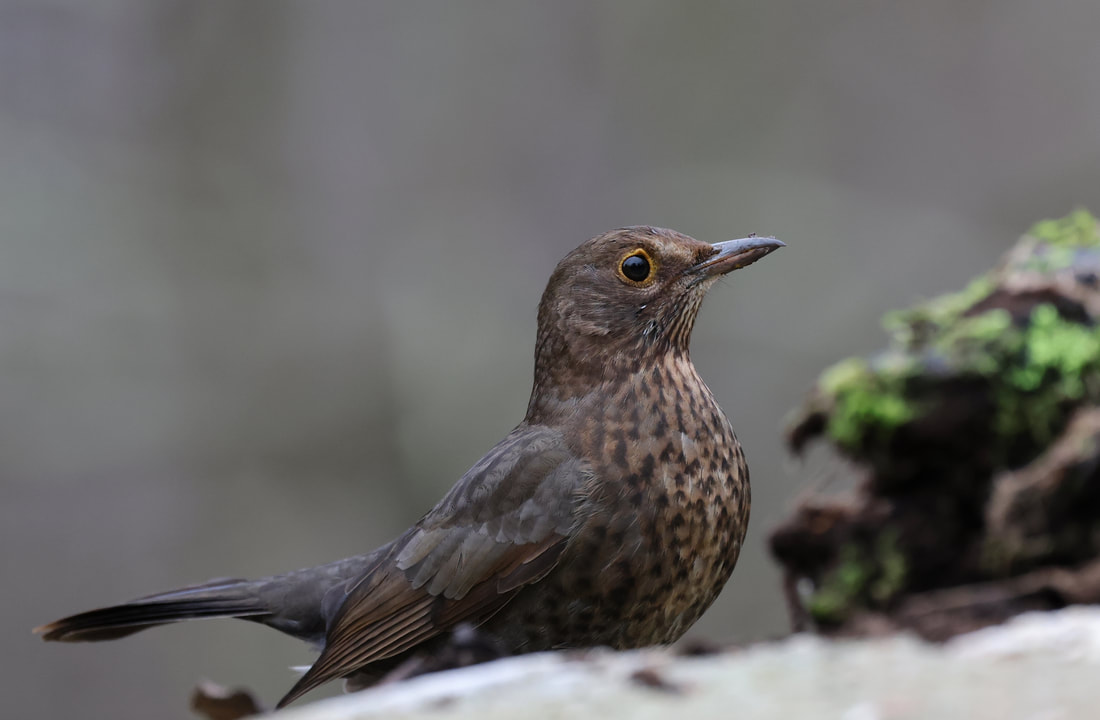 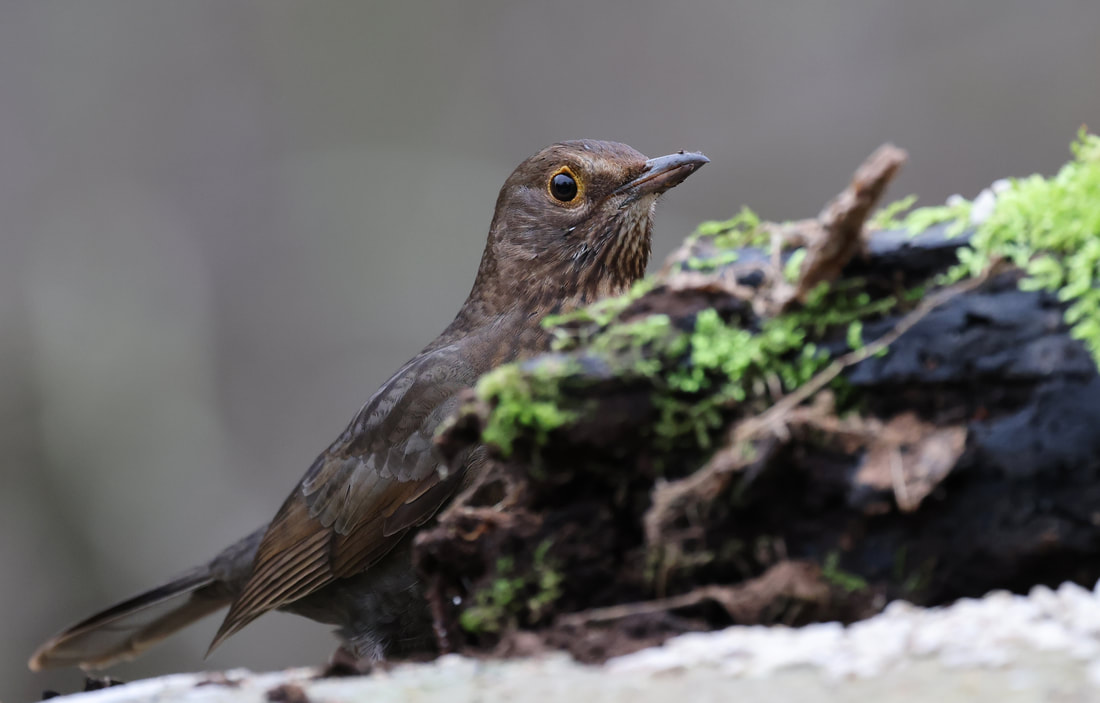 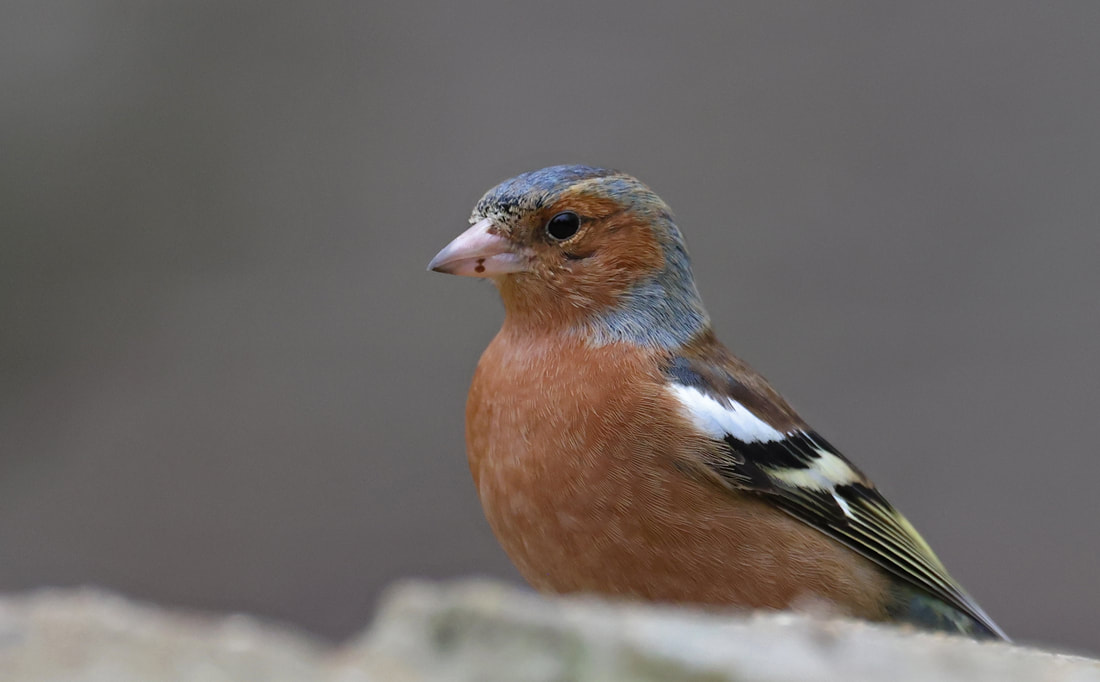 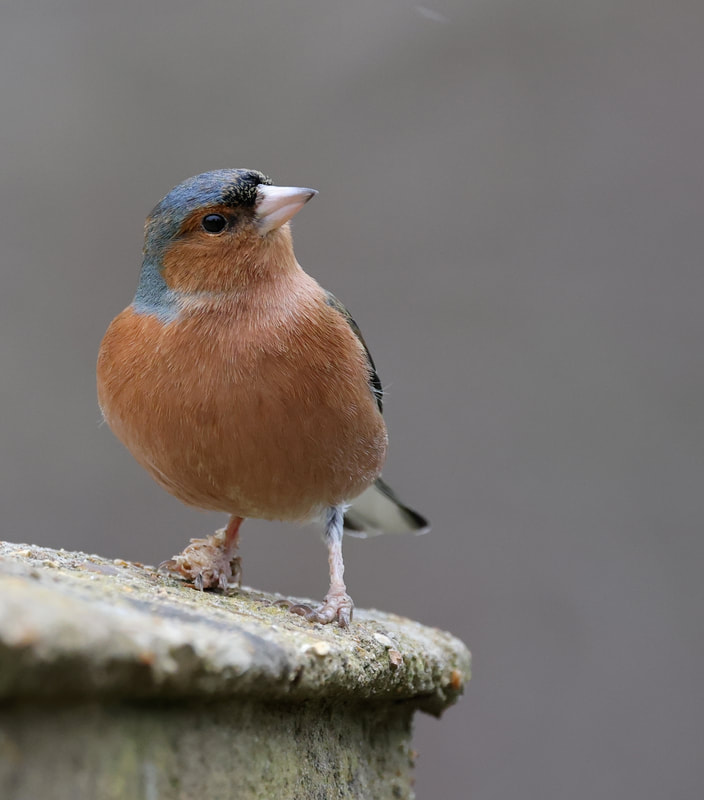 The above bird was obviously suffering with a diseased foot, possibly papillomatosis. 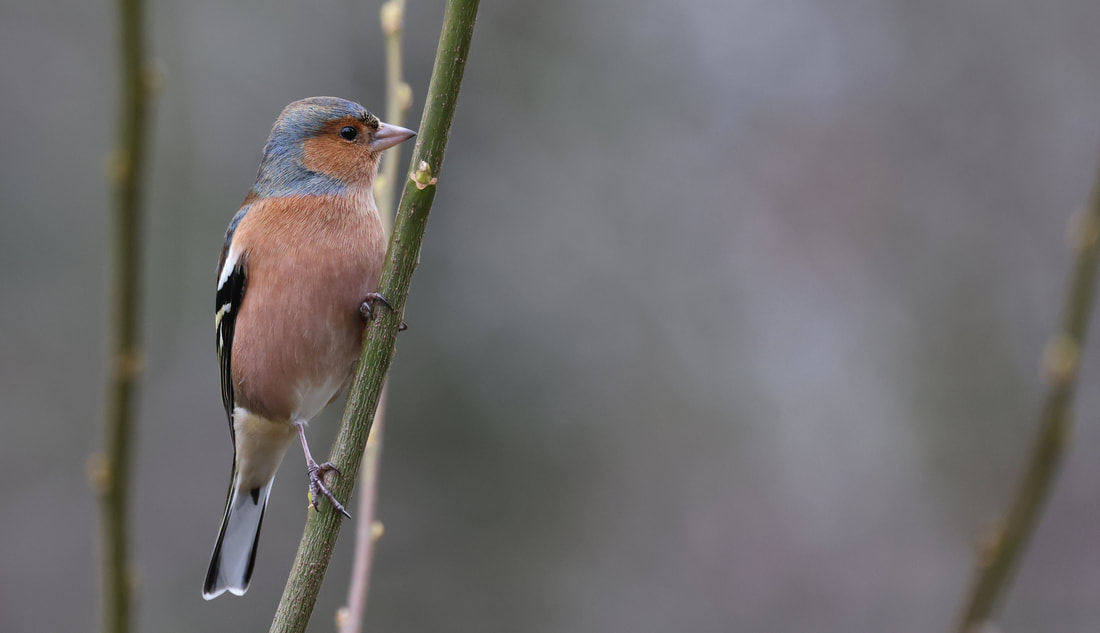 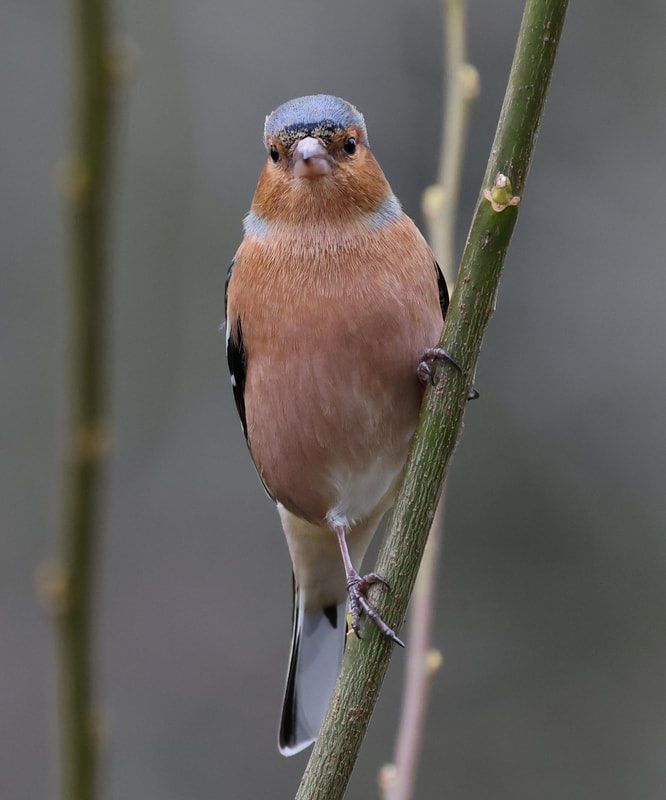 Always good to get five species of Tit in a day (no pictures of Long Tailed, but here are some Blue and Great Tits. 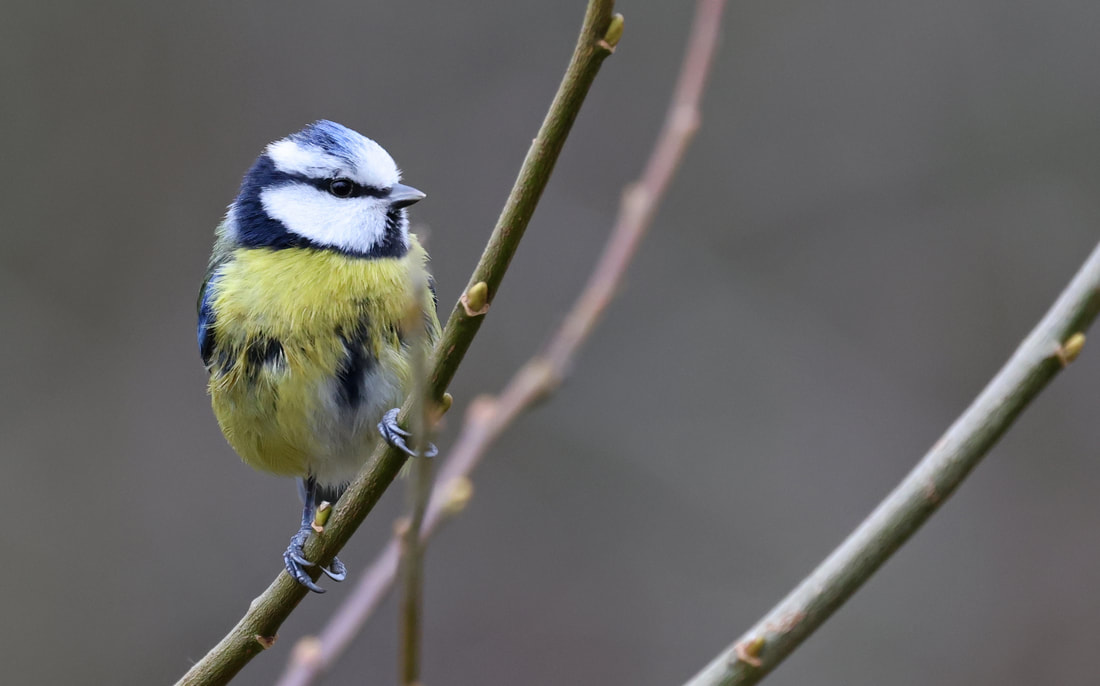 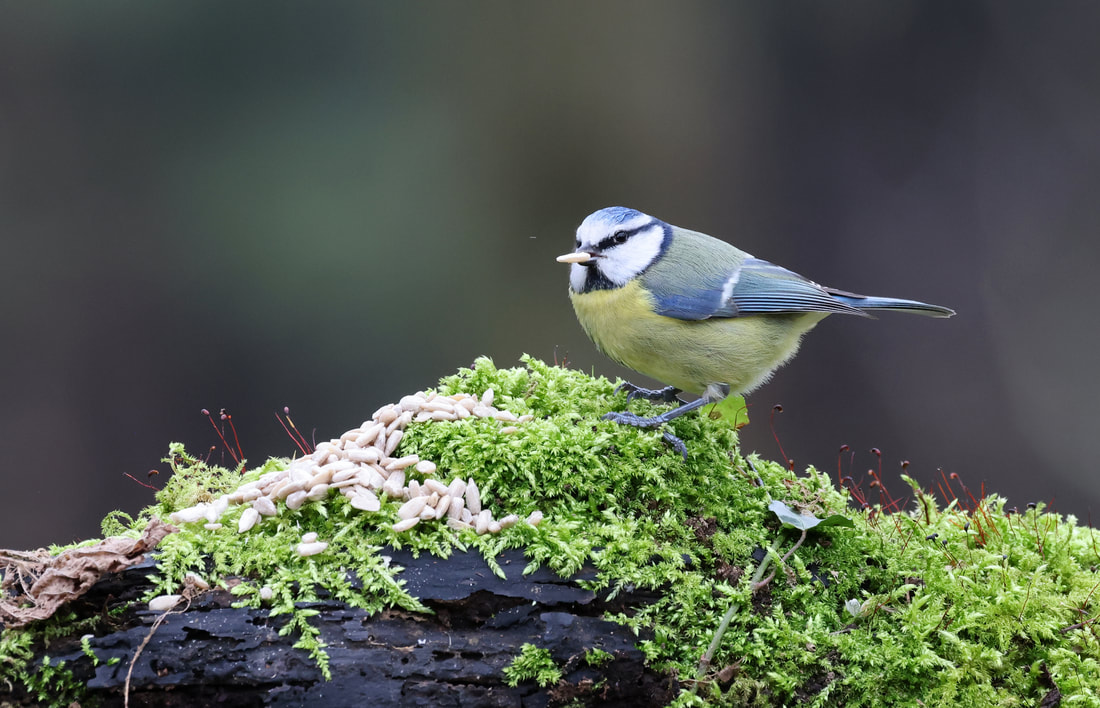 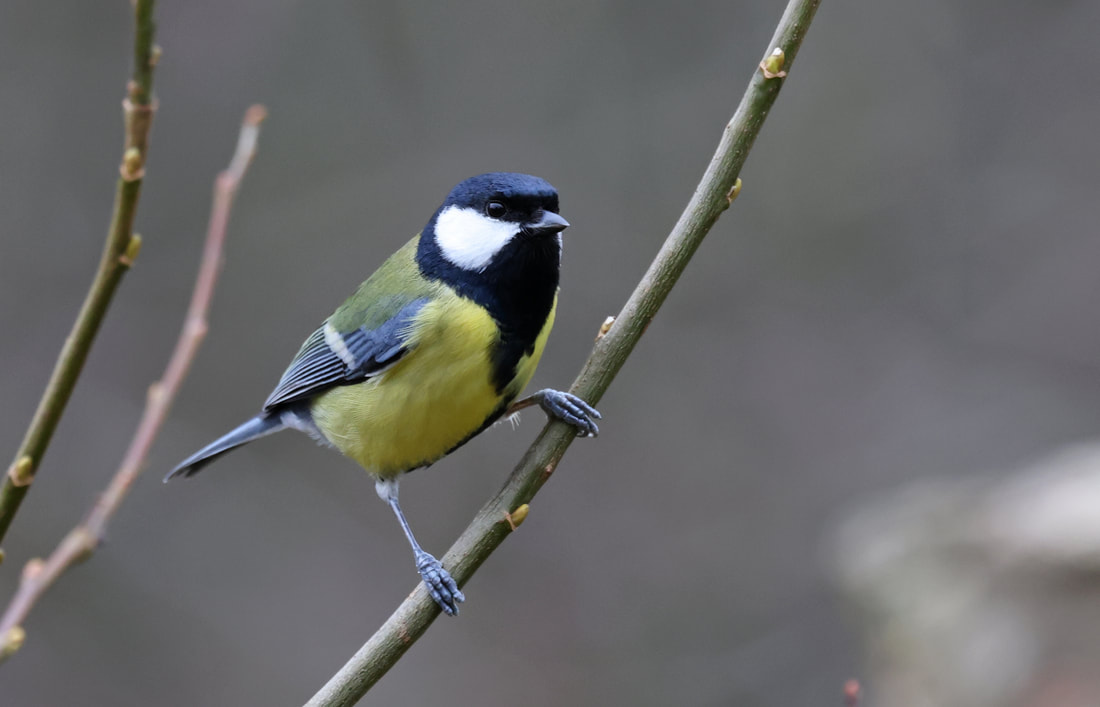 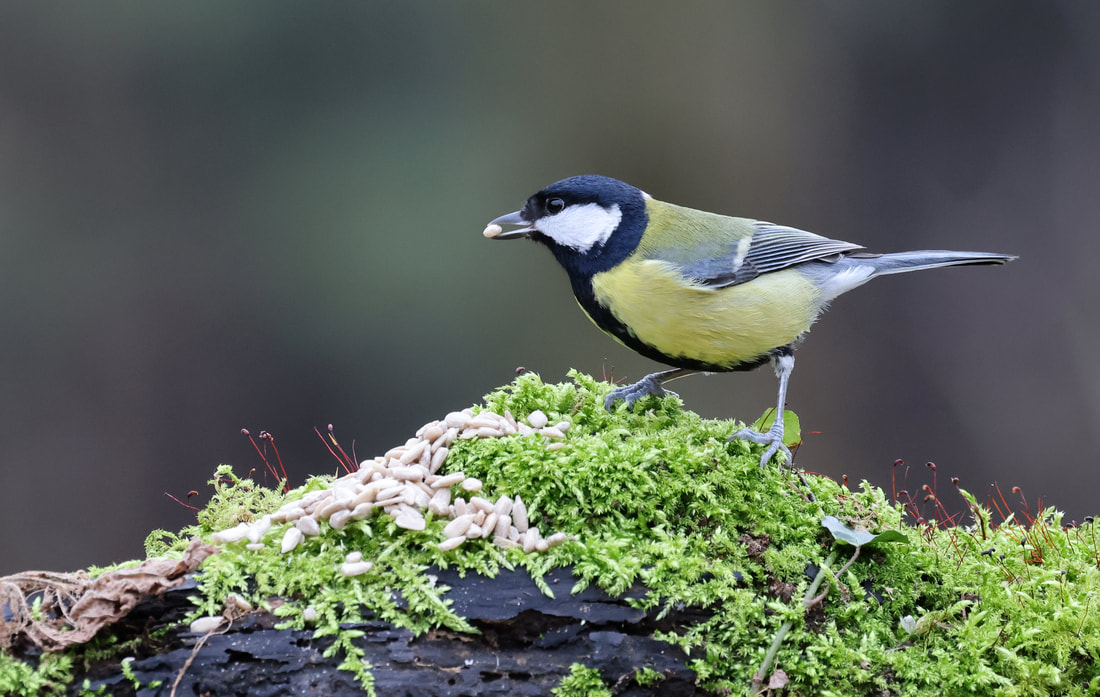 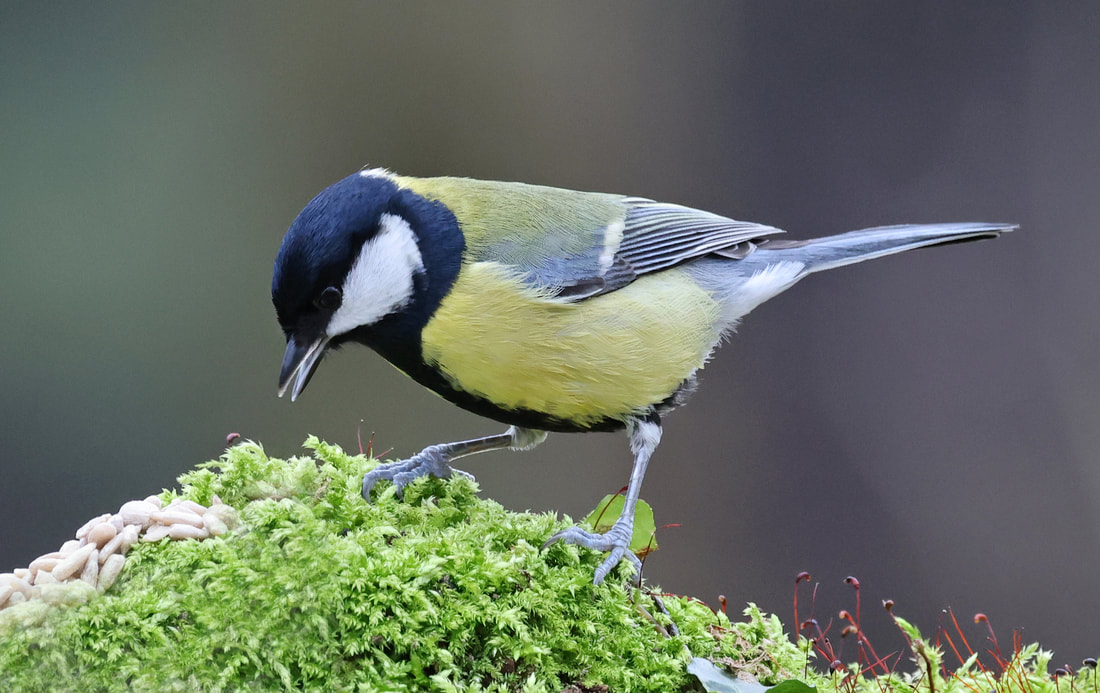 The Coal Tits were trickier, flying in and out very quickly. 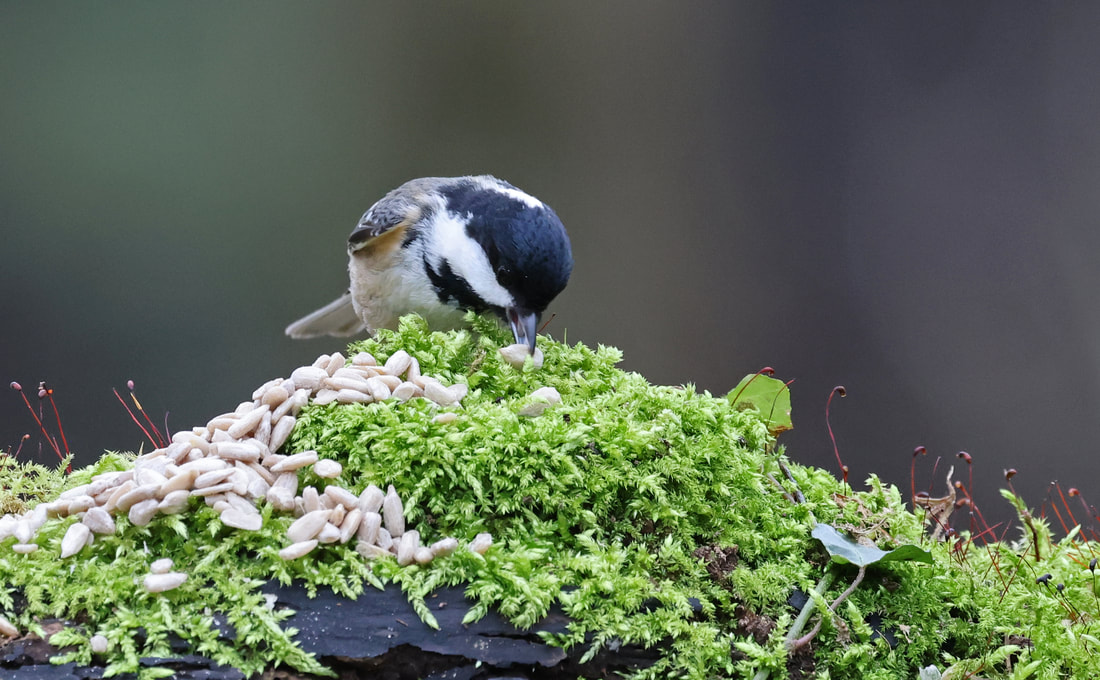 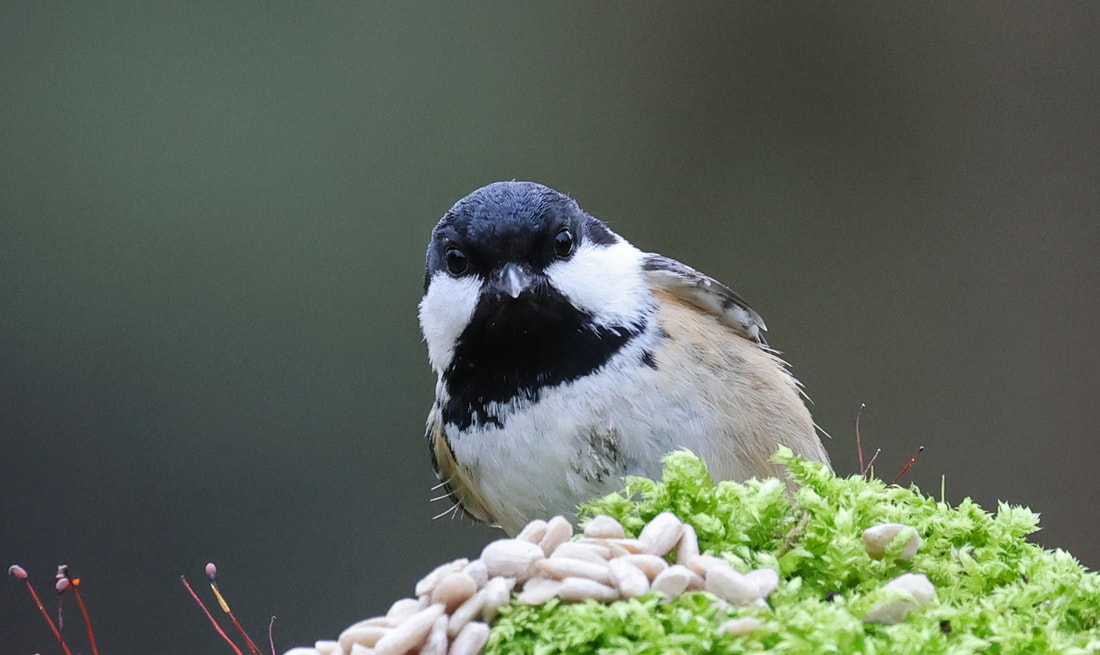 Marsh Tits are tricky to find now in Hertfordshire but thankfully still fairly common at Lynford. 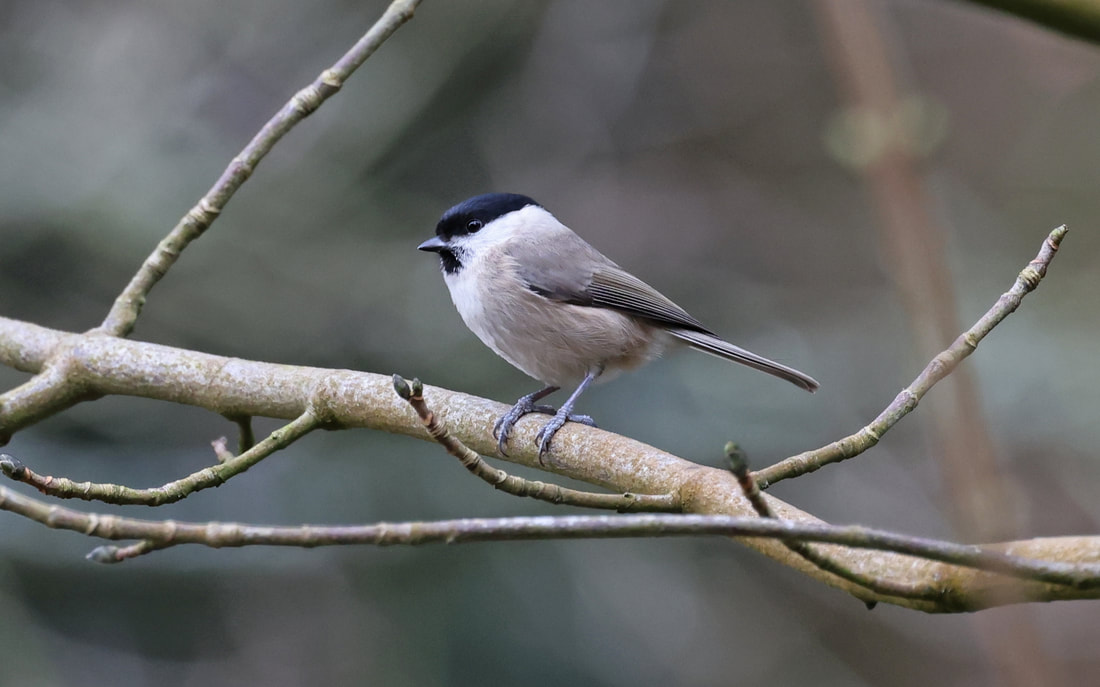 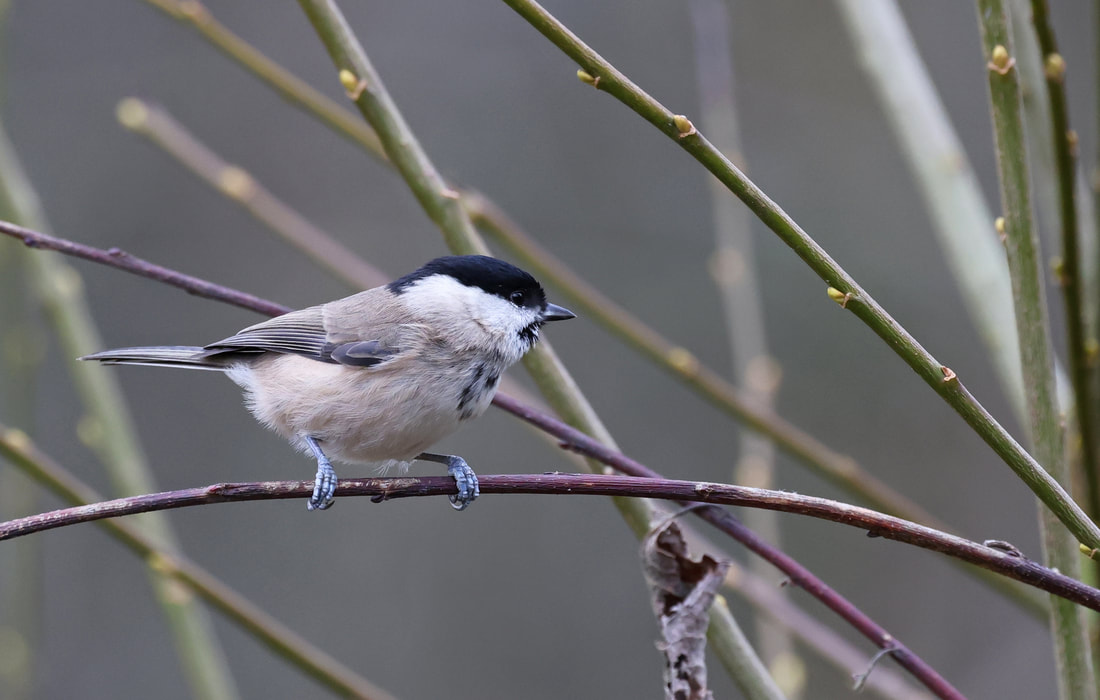 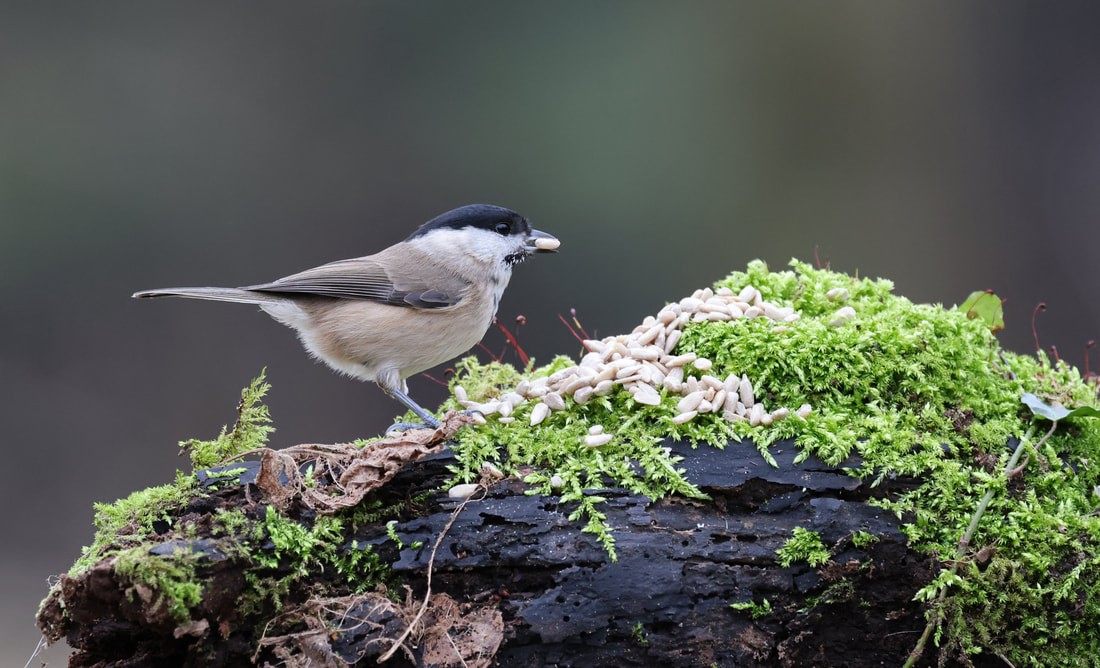 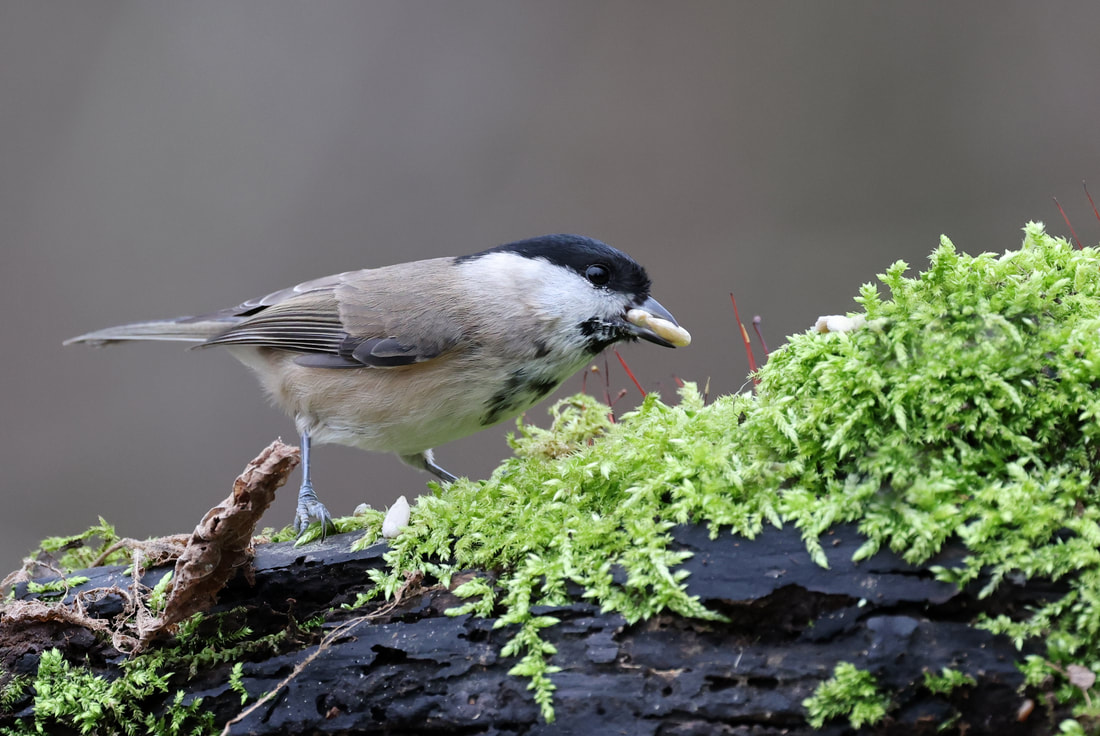 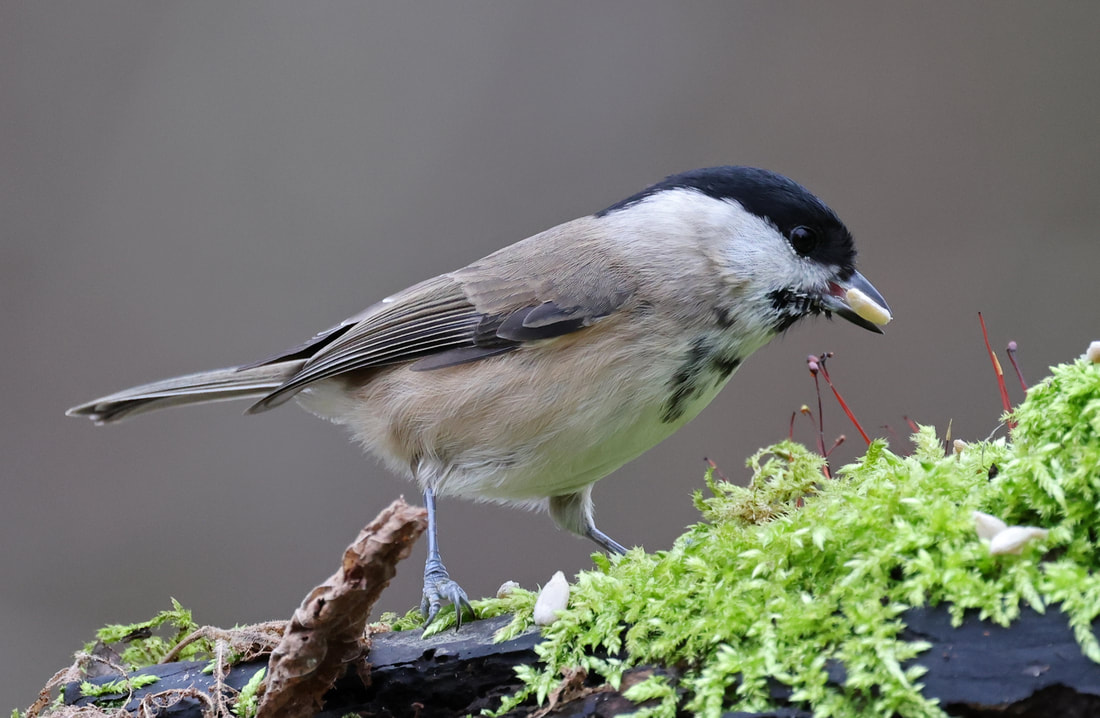 A great few hours and as two White Tailed Eagles had been reported nearby in Stowlangtoft we popped by to see if we could spot them. Two male birds, one from the Isle of Wight and one from the Netherlands had been there for a few days. We had a brief distant fly past by one of them and then when it was nearly dark one flew in to attempt to roost literally 50 yards away before flying to one of their favoured trees. What an end to a fabulous day.
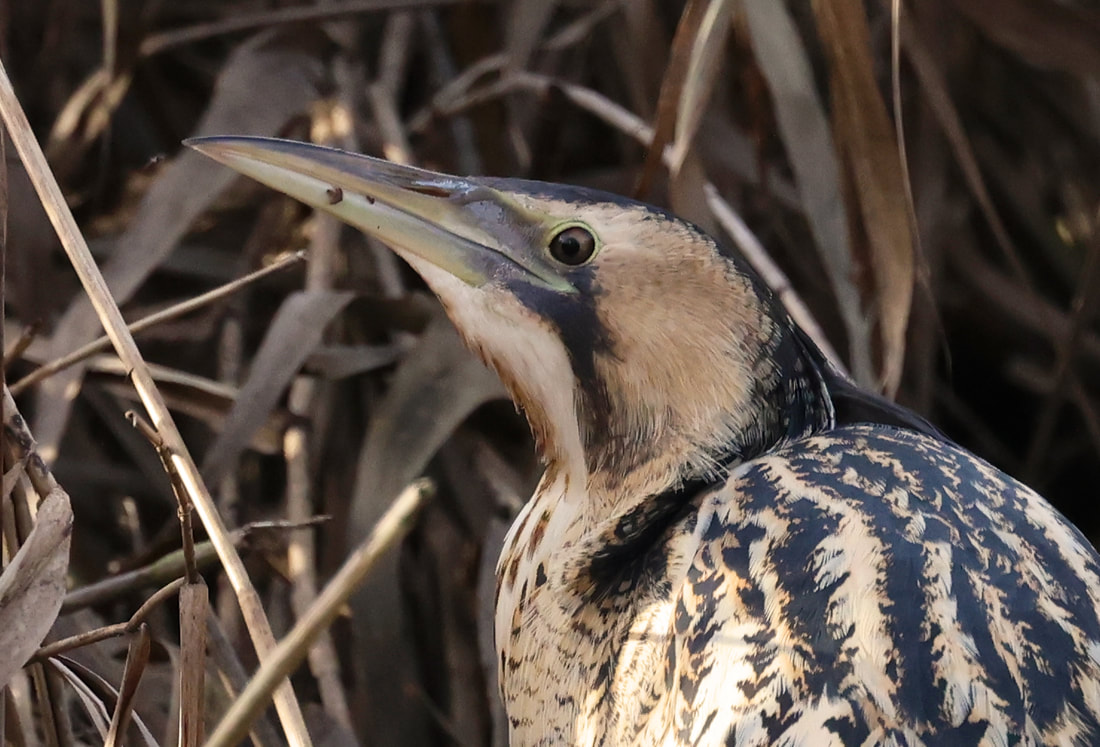
A walk with the SE Herts RSPB Group which started off at the Wildlife Discovery Centre, or to me, the Bittern hide! No sign today of the Bittern or the male Smew which had re-located to Bowyer's Water as a lot of the lakes were frozen over. We therefore decided to follow the Flood Relief channel up to Holyfield Weir. The Great Crested Grebes were already starting to display. 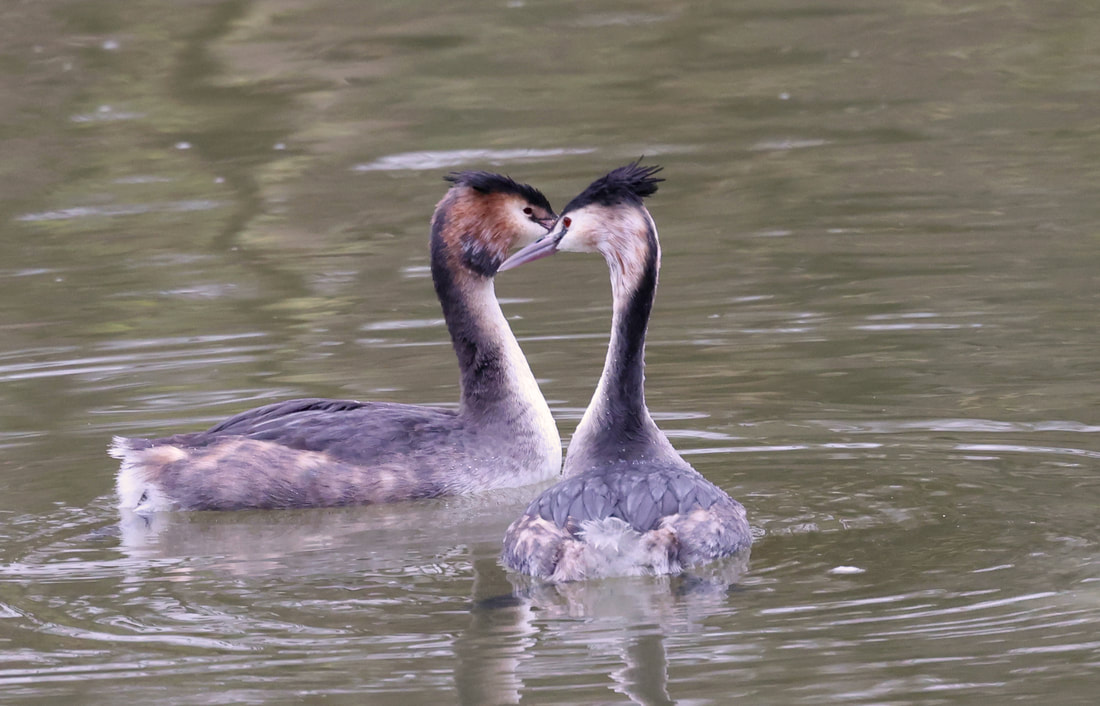 A good find was a female Goldeneye on the river. 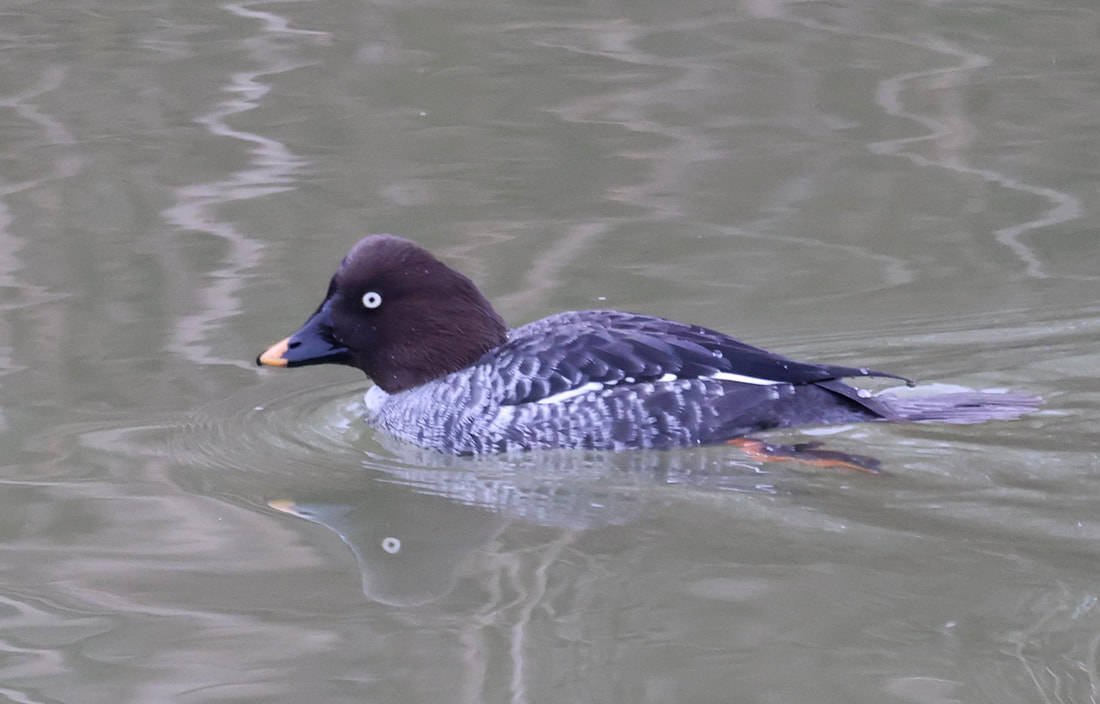 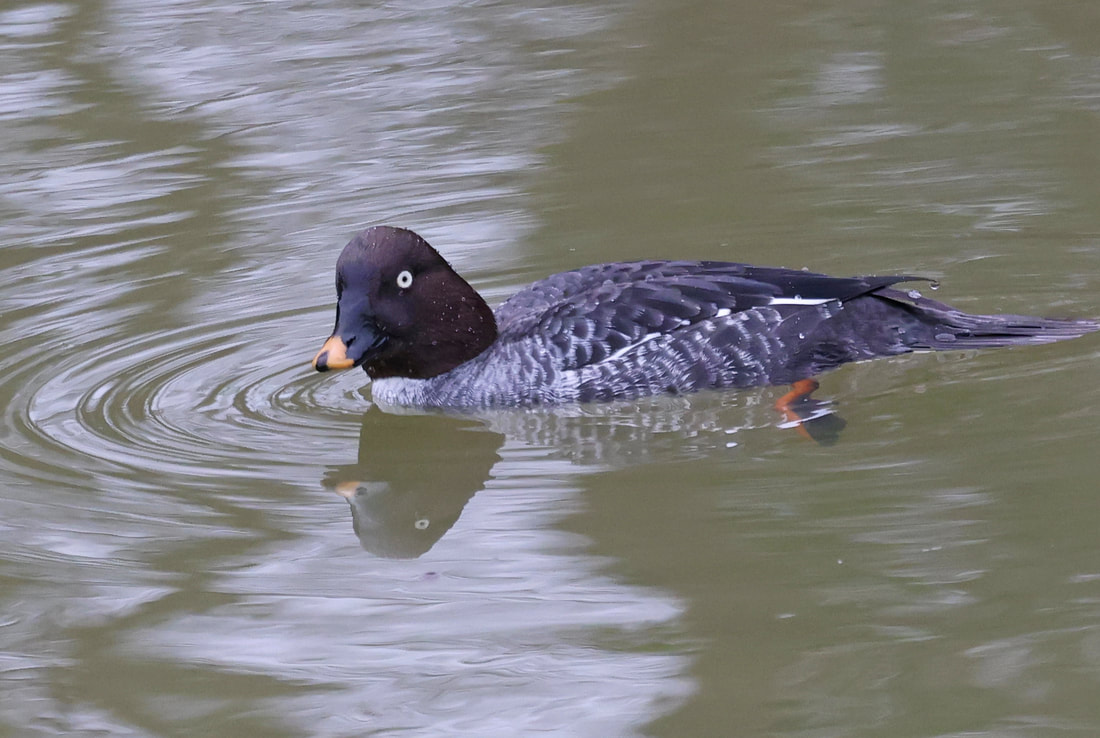 Slightly further along, we found the male. You can clearly see where it got its name from! 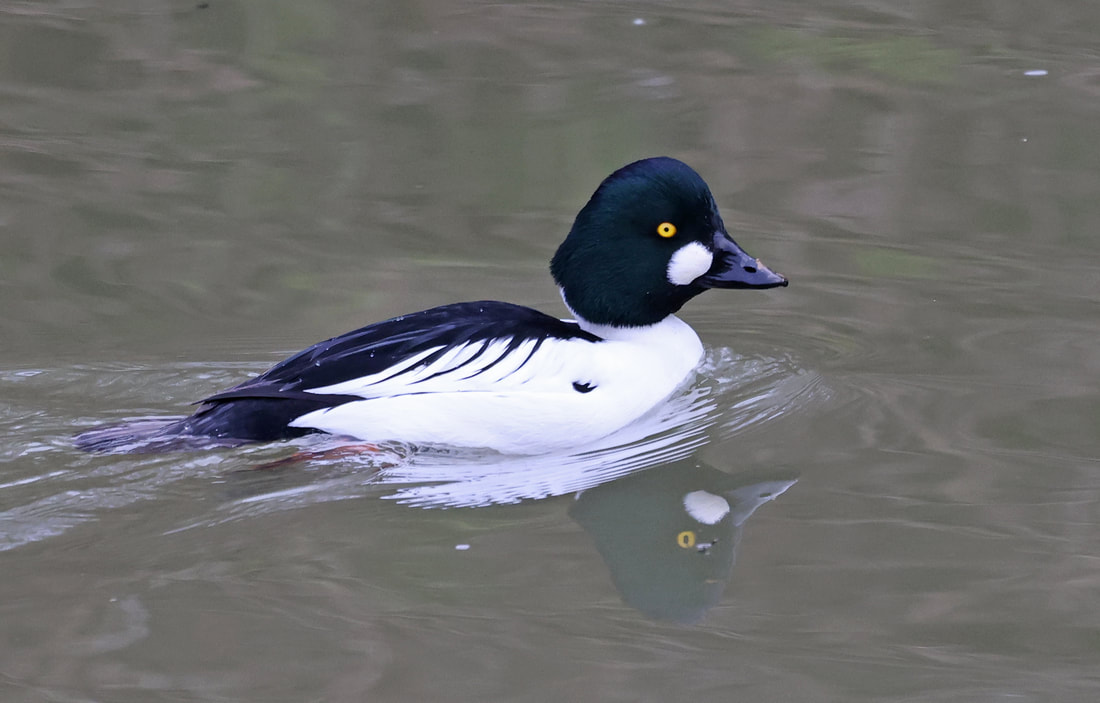 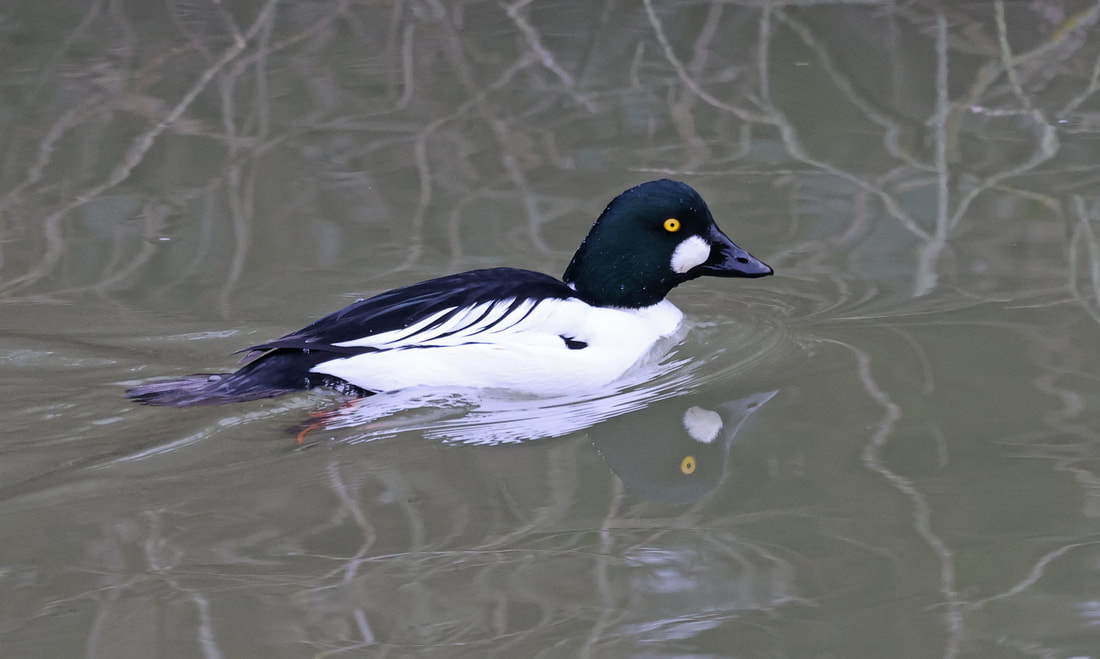 At the weir there were double figure numbers of Goosander, mostly females as pictured here. 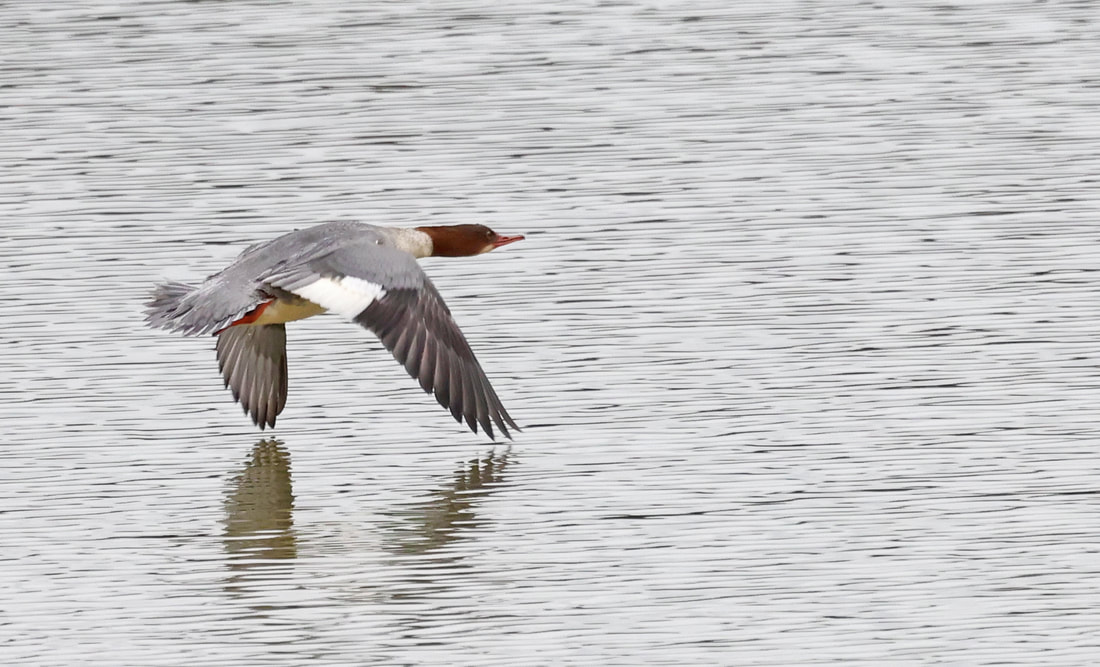 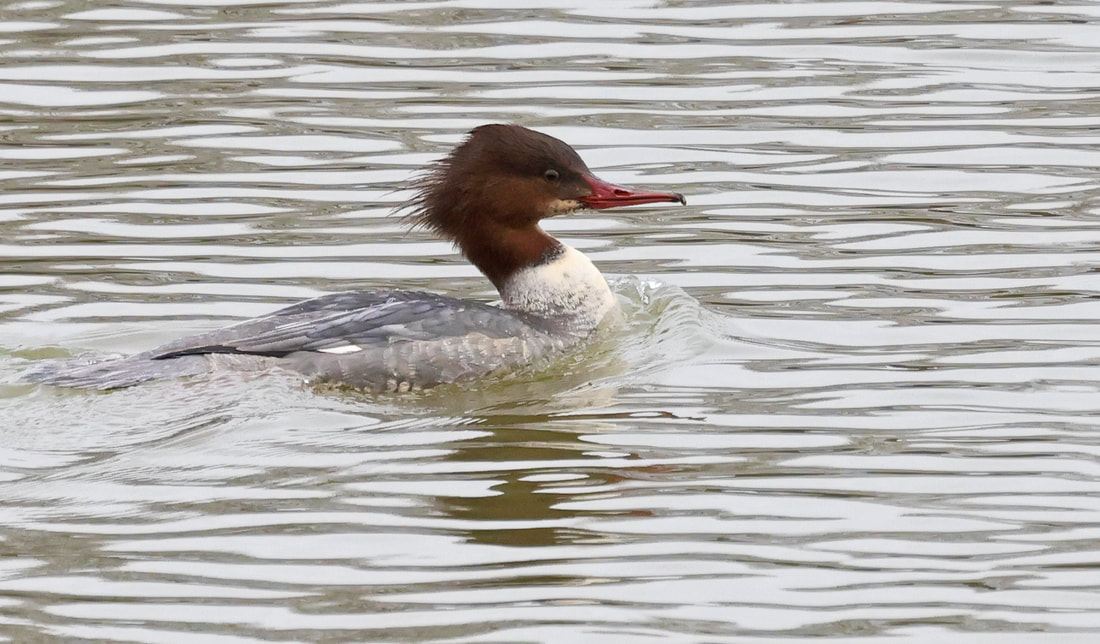 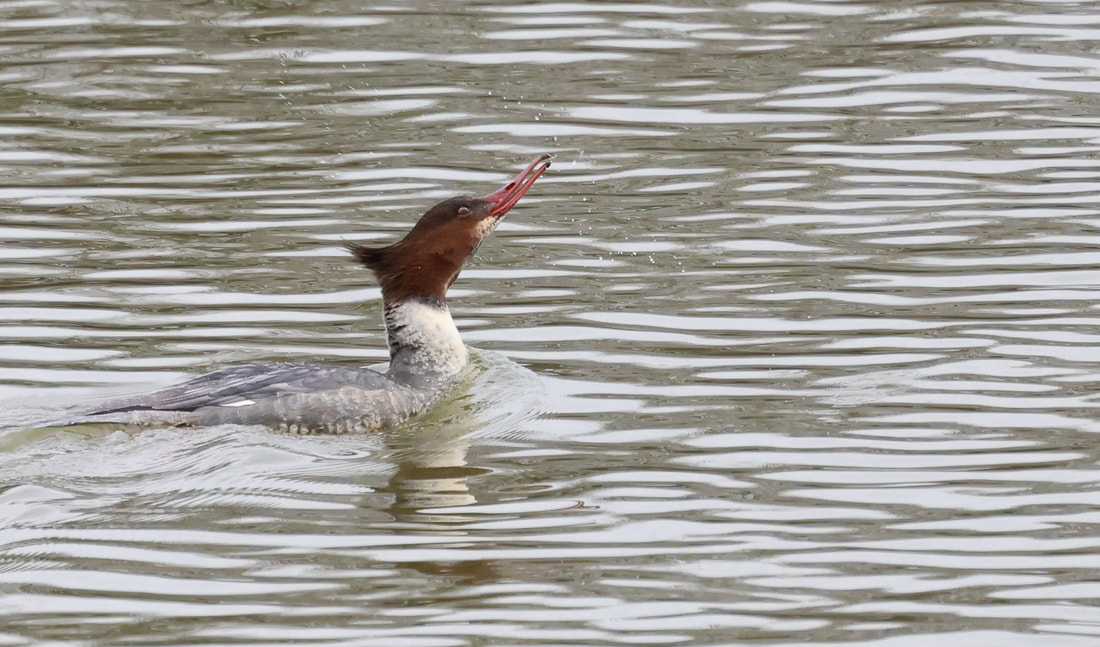 A few of the group had a brief view of a Peregrine which was later tracked down to one of the pylons. Here is a picture as a record. The Cormorants seemed unfazed by its presence. 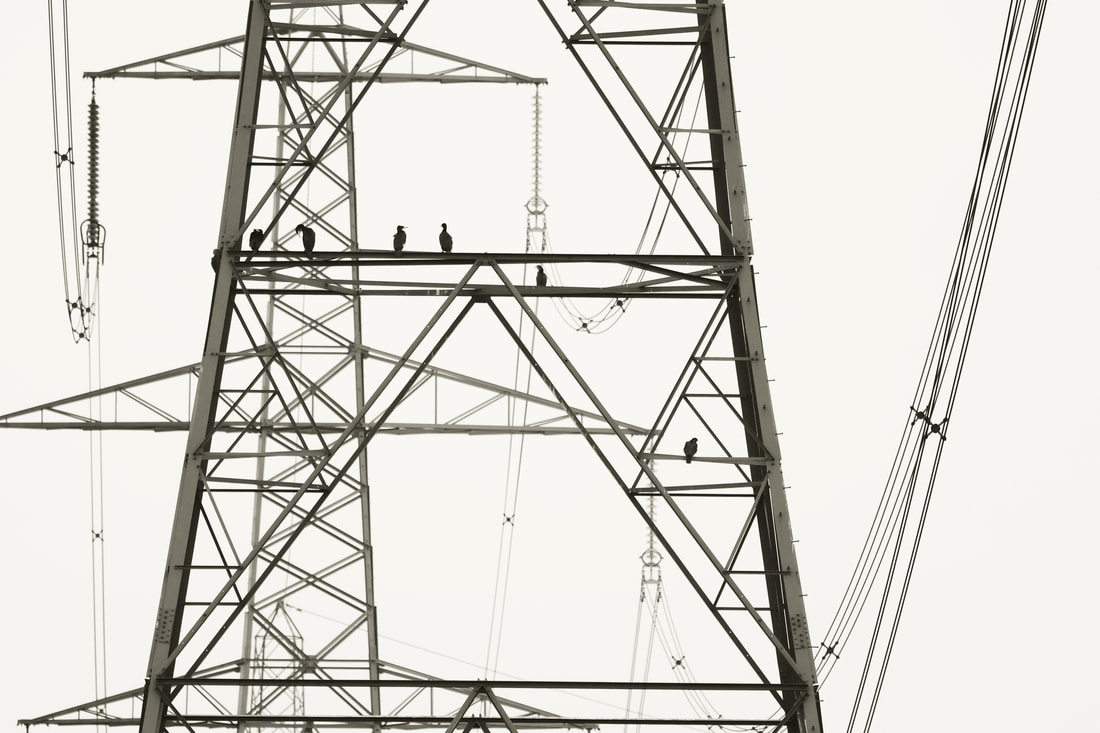 On the way back we chanced upon a small flock of Siskin in Alders near the Fishermen's car park. Really tricky to get shots due to the poor light. 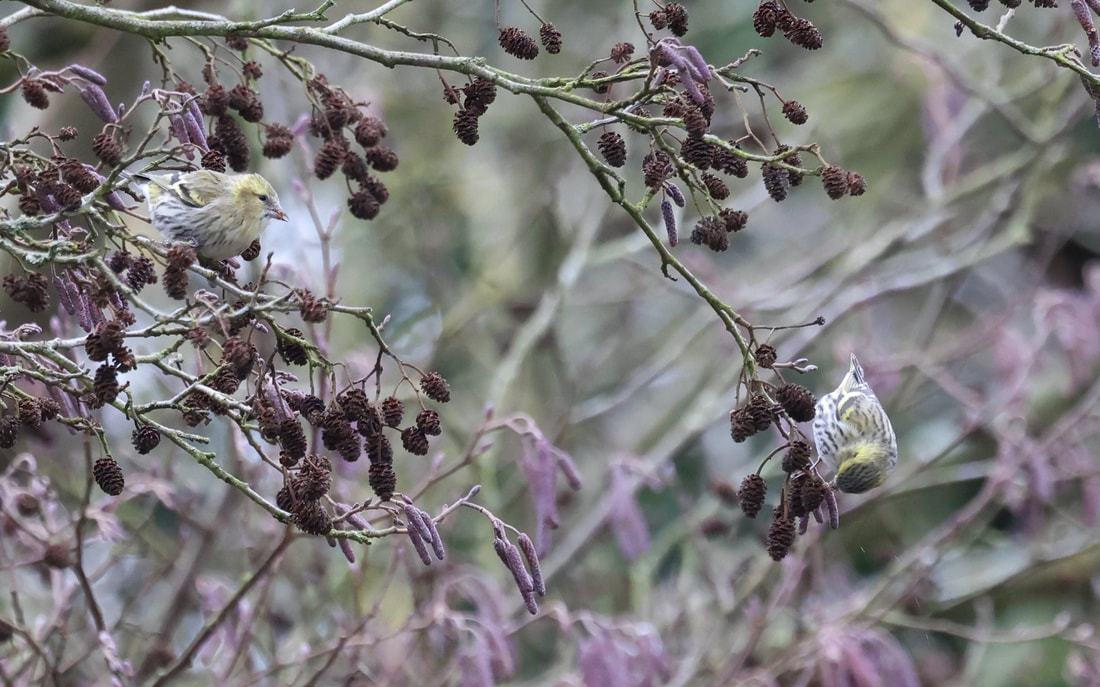 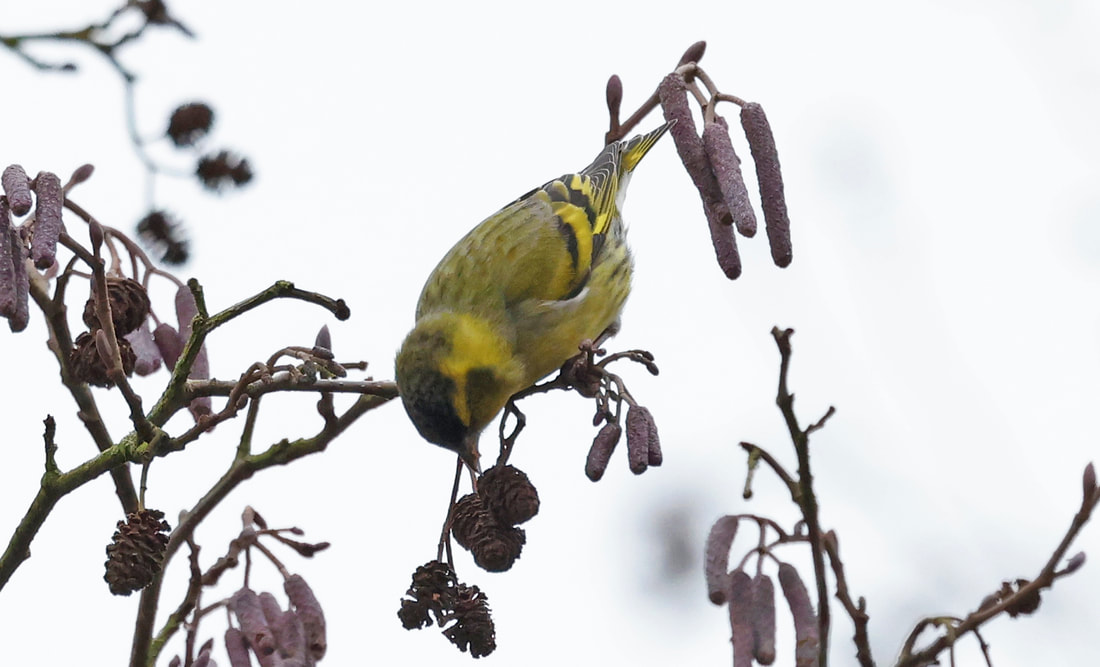 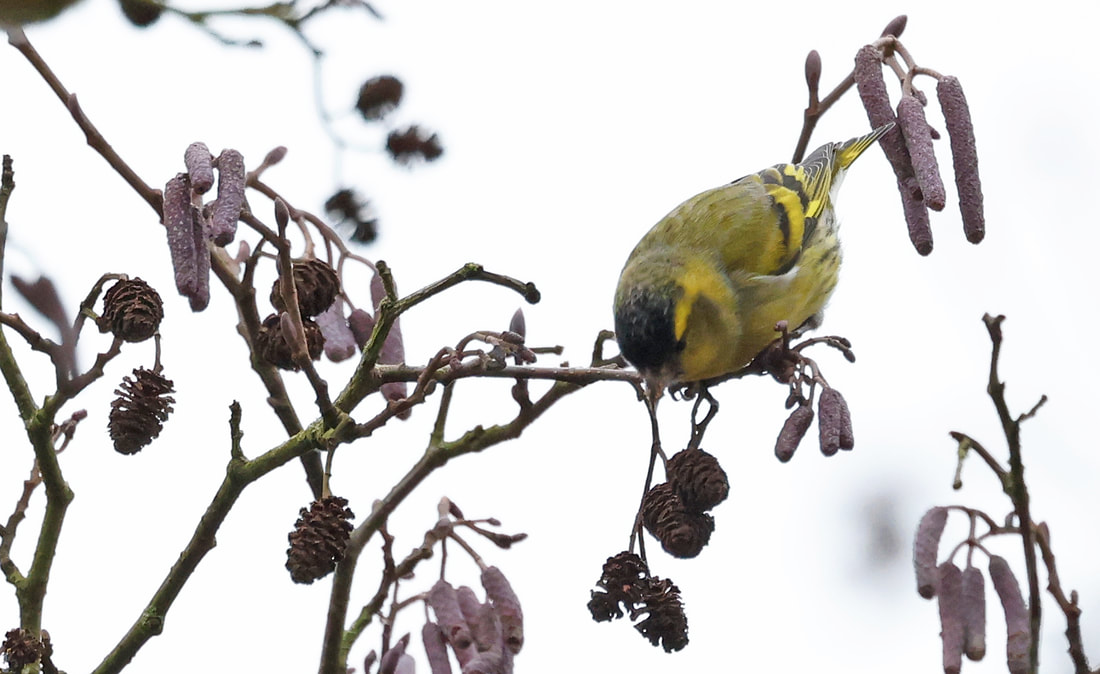 A fly by Little Egret gave some great views! 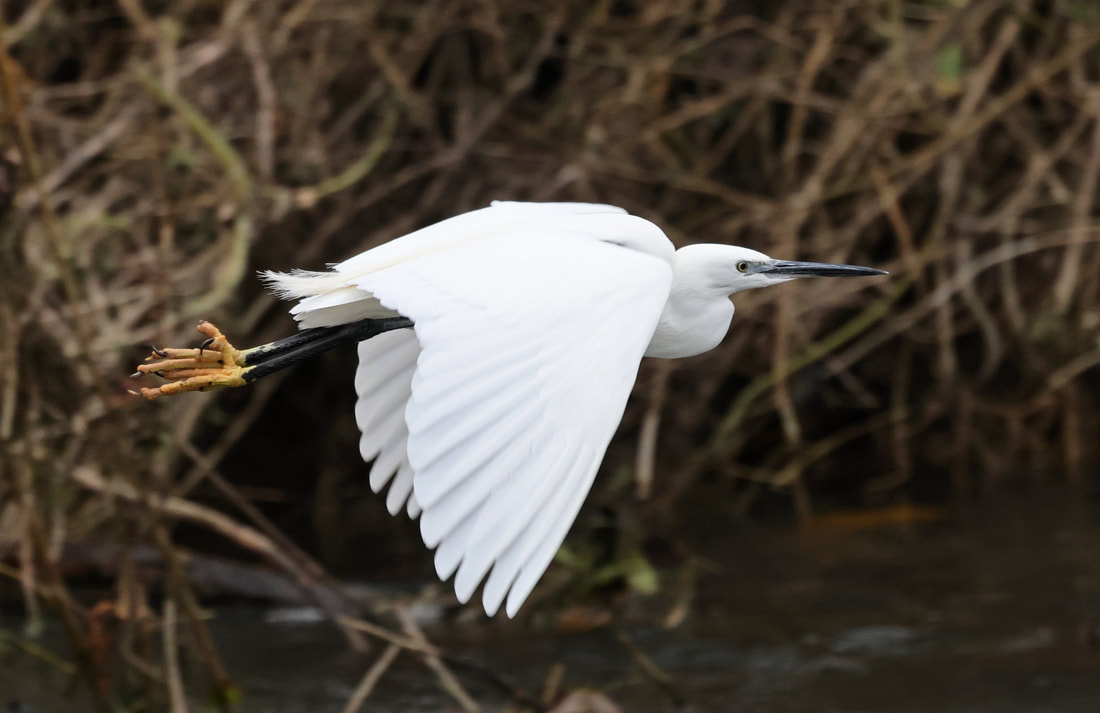 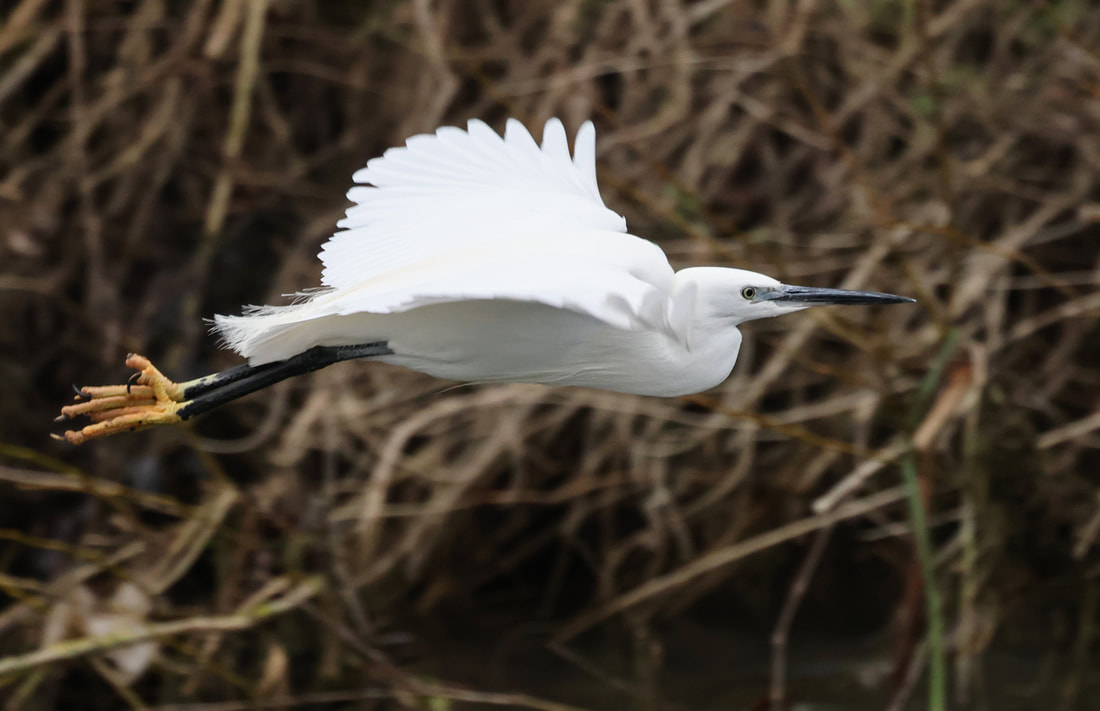 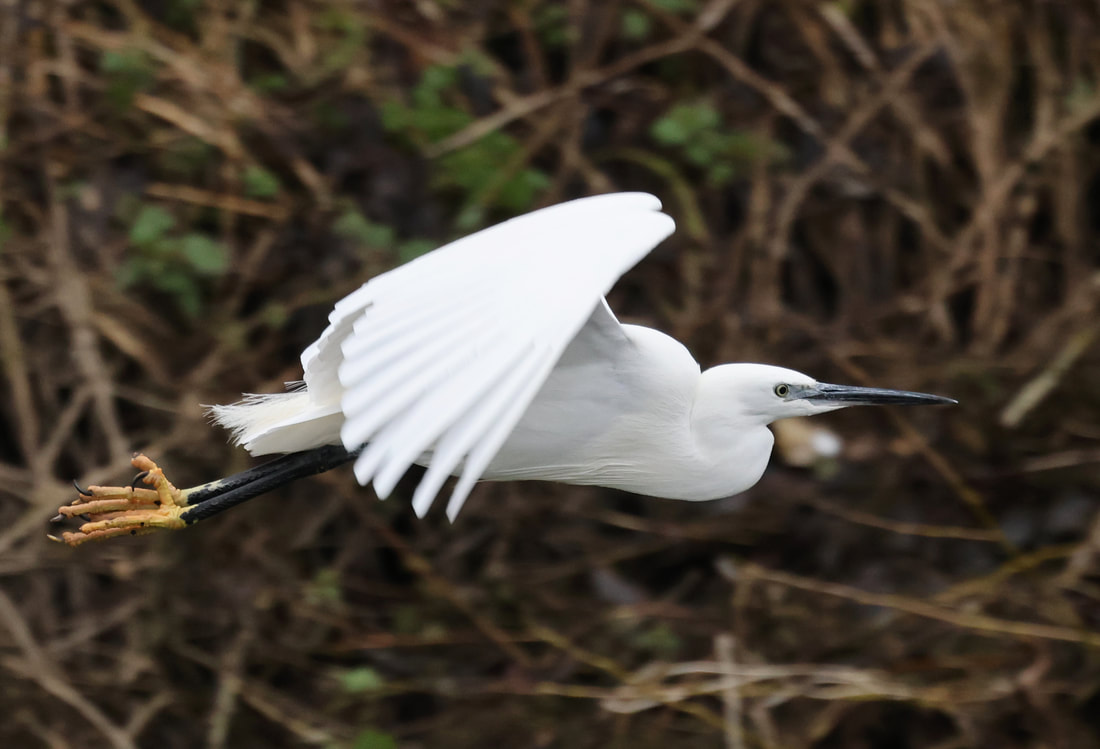 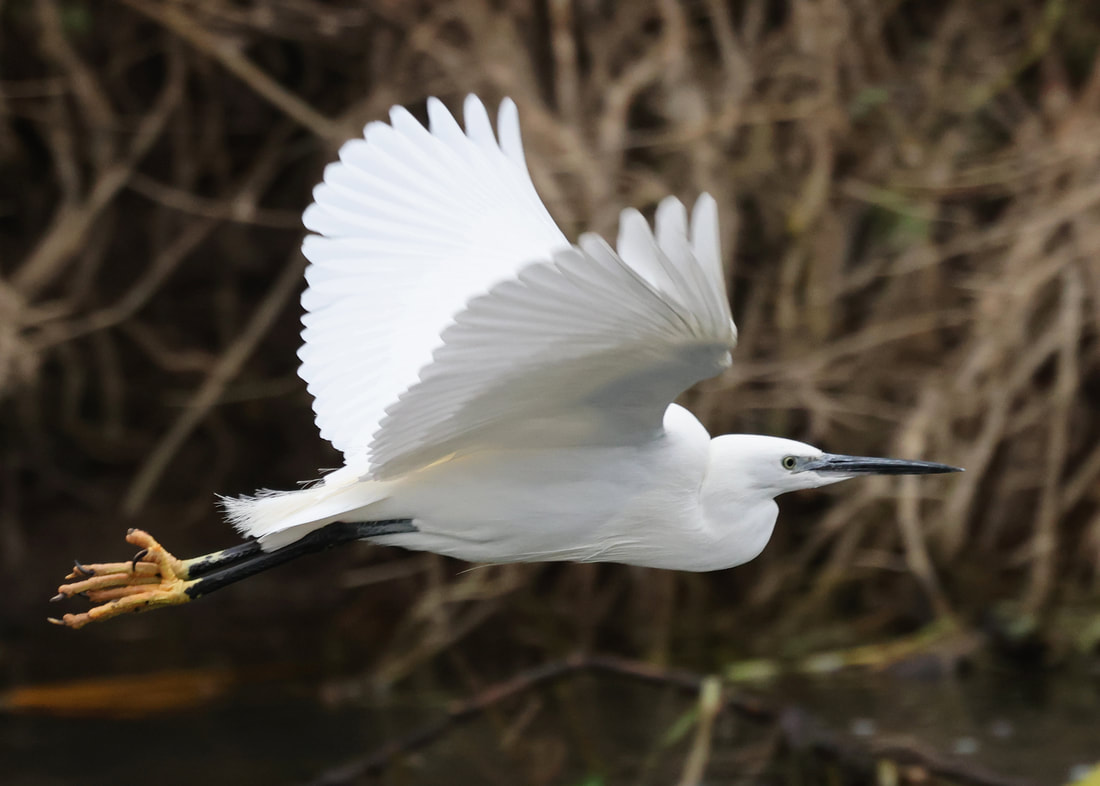 Back at the viewpoint we had all five of the more commoner Gulls and it was good that this included a Great Black-Backed Gull. 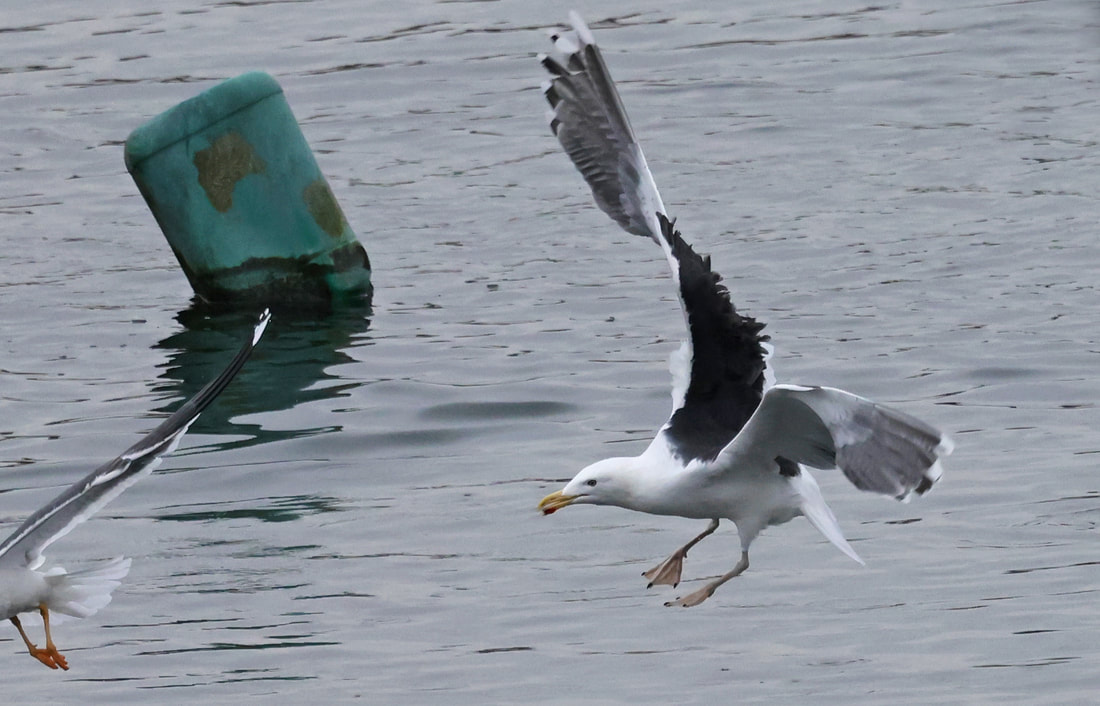 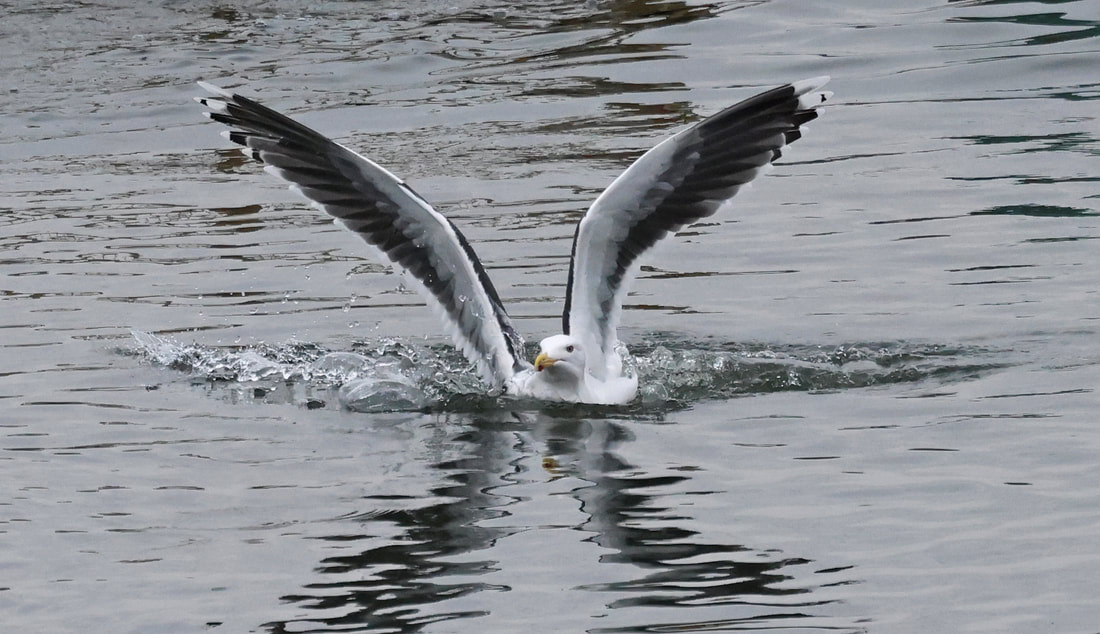 A great morning with good company!
A very cold, sunny day so an ideal opportunity to visit Rainham. Quite icy, so not great on the wader front, but still some open water for the ducks. As to be expected the House Sparrows were showing well just outside the visitor centre. 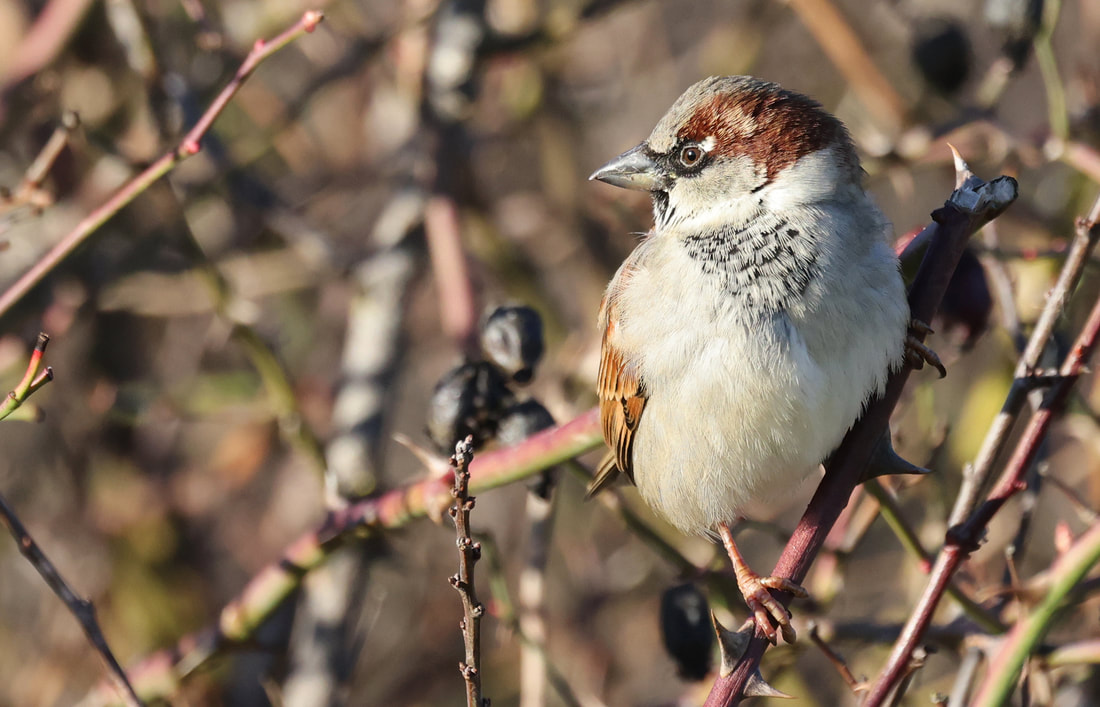 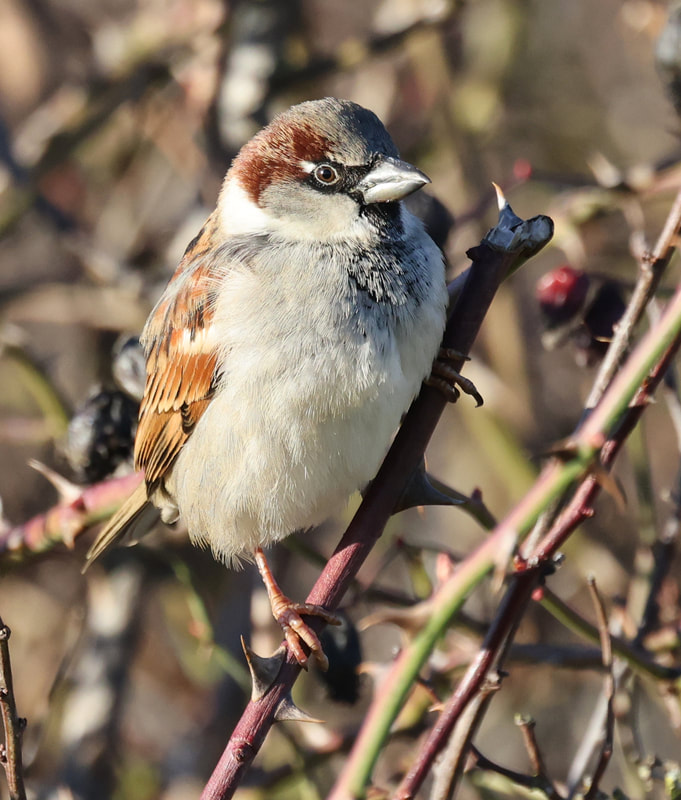 There were large numbers of Fieldfares moving between the river wall and the reserve, but quite skittish. 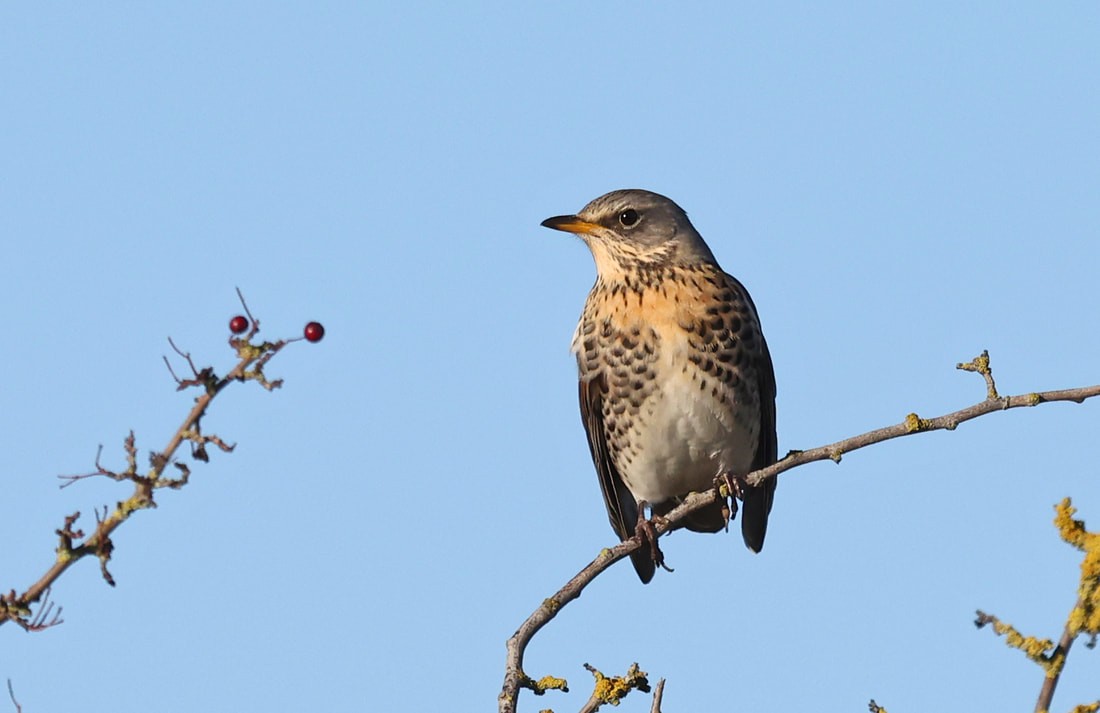 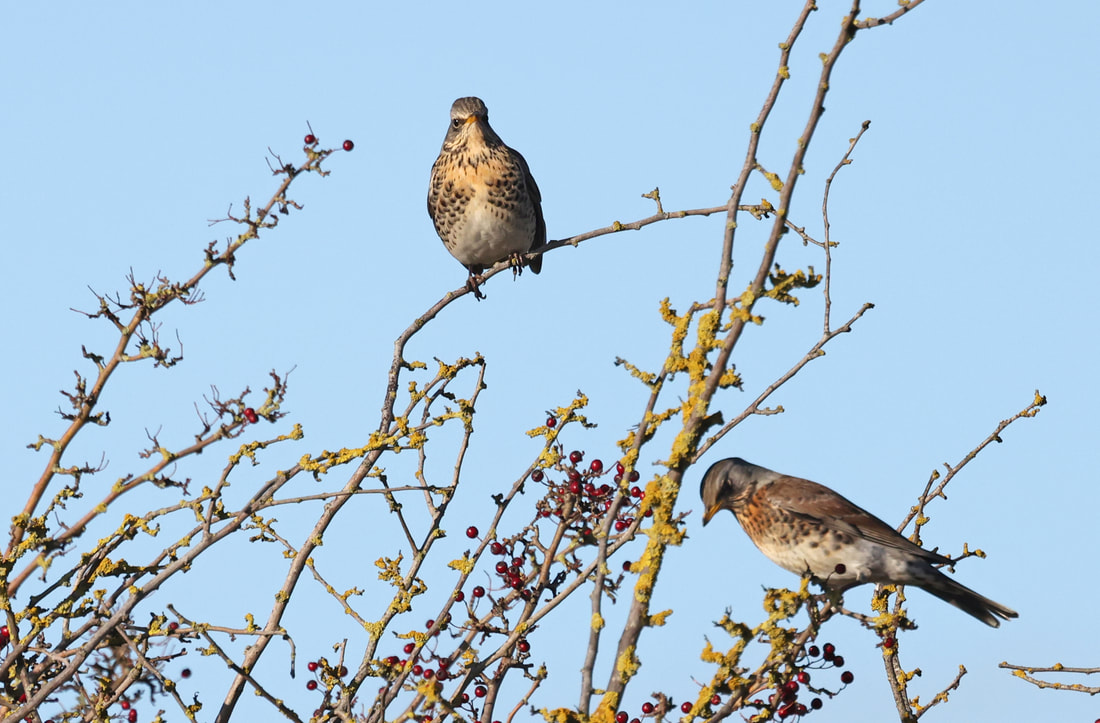 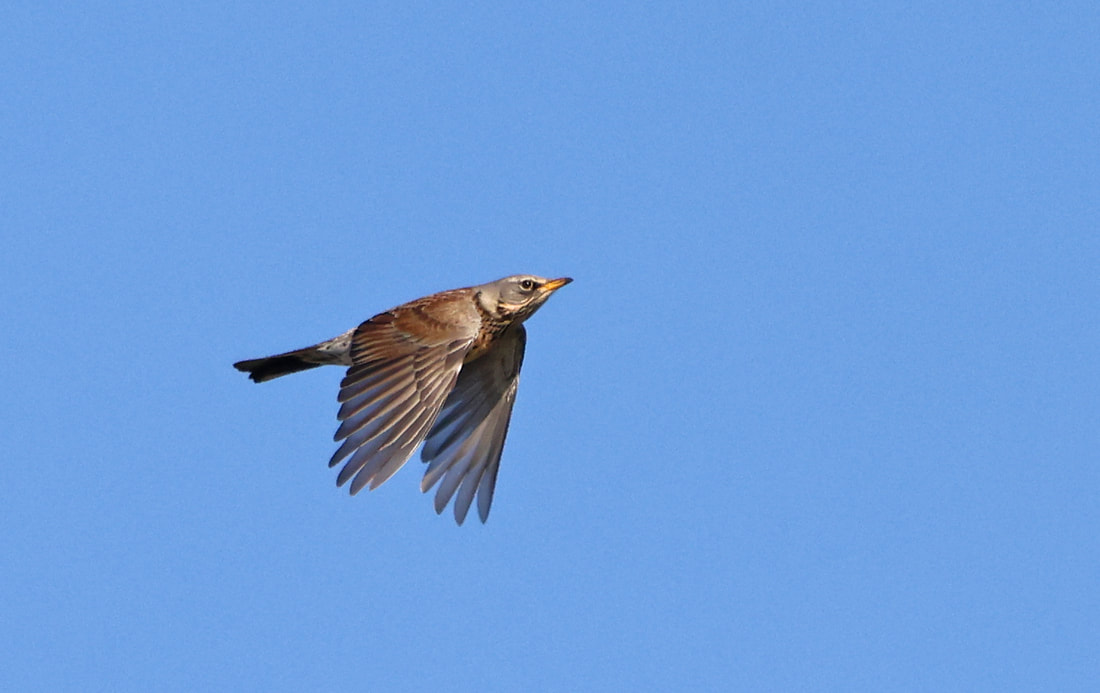 The Kestrel gave amazing close views just off the river wall. 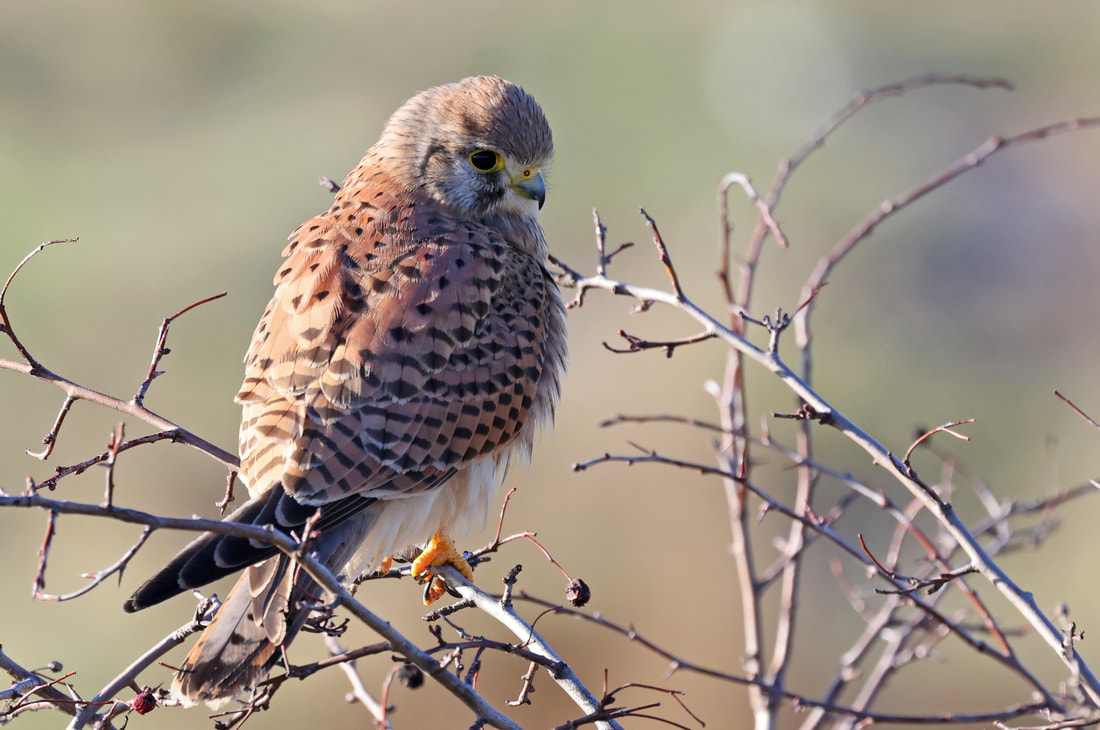 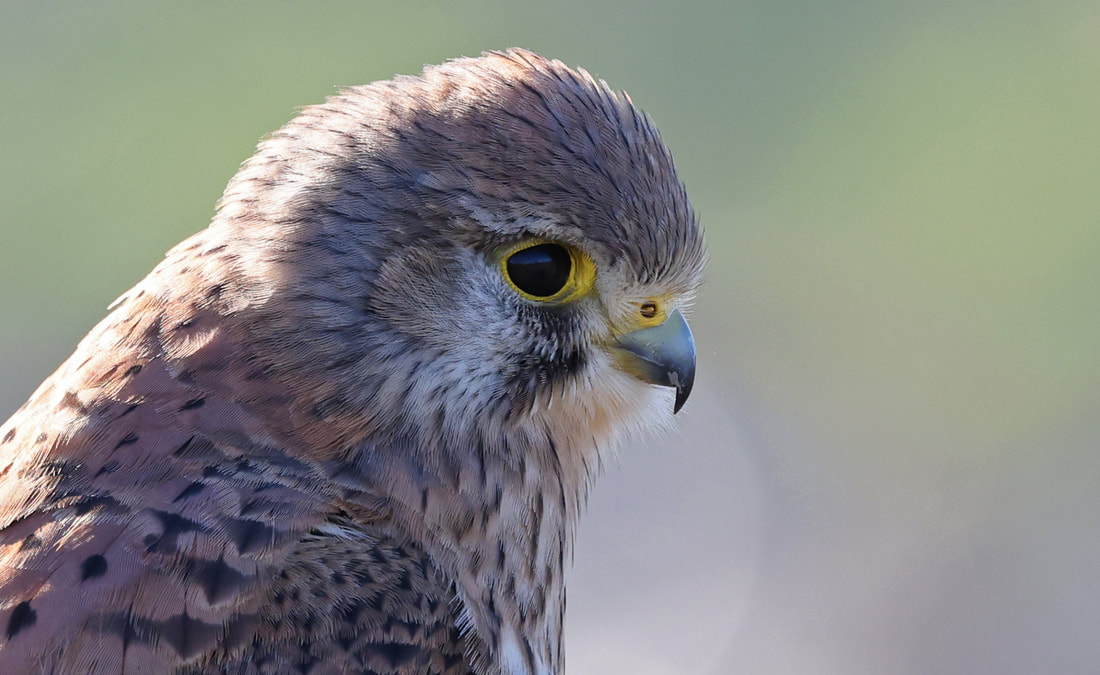 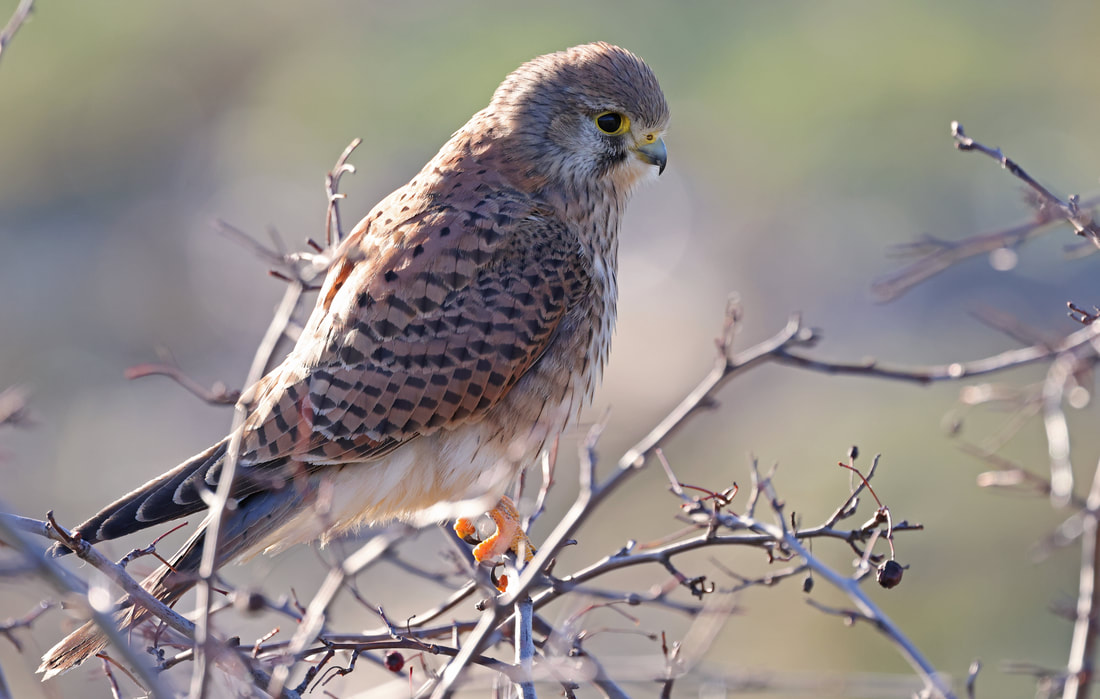 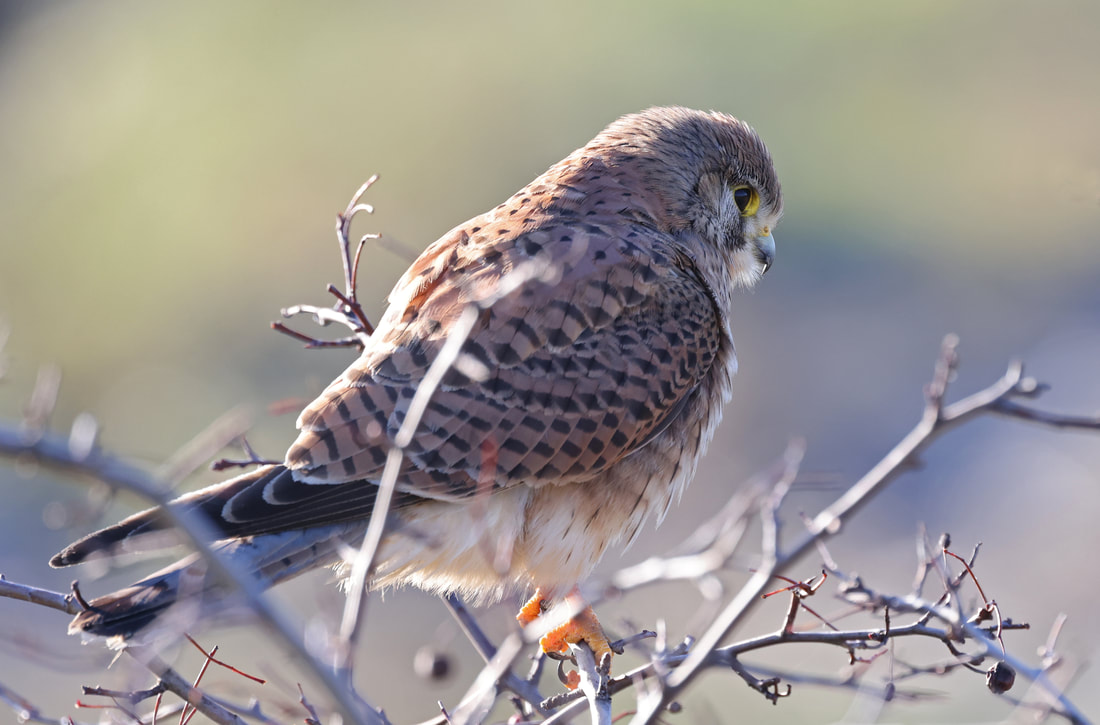 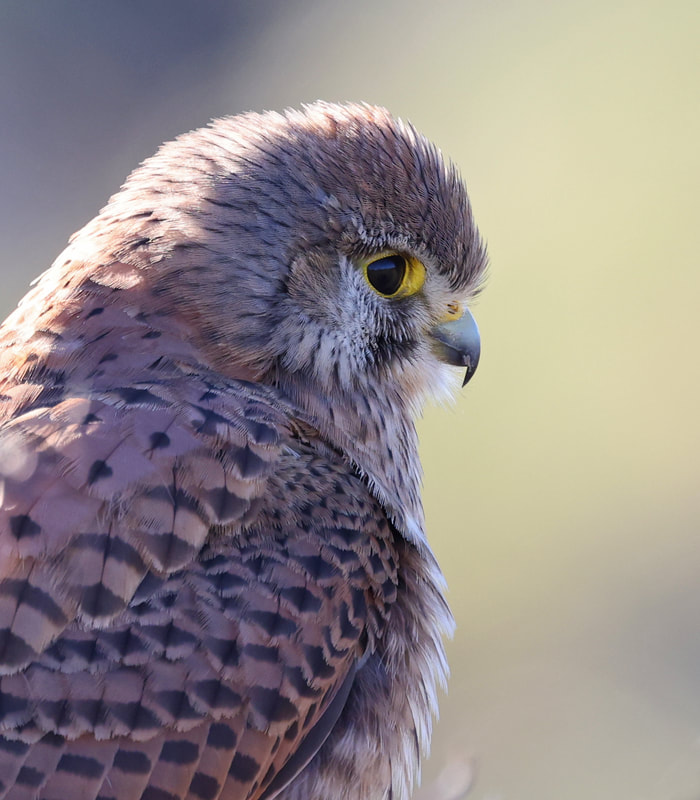 A few Marsh Harriers were present including this female who came in reasonably close. 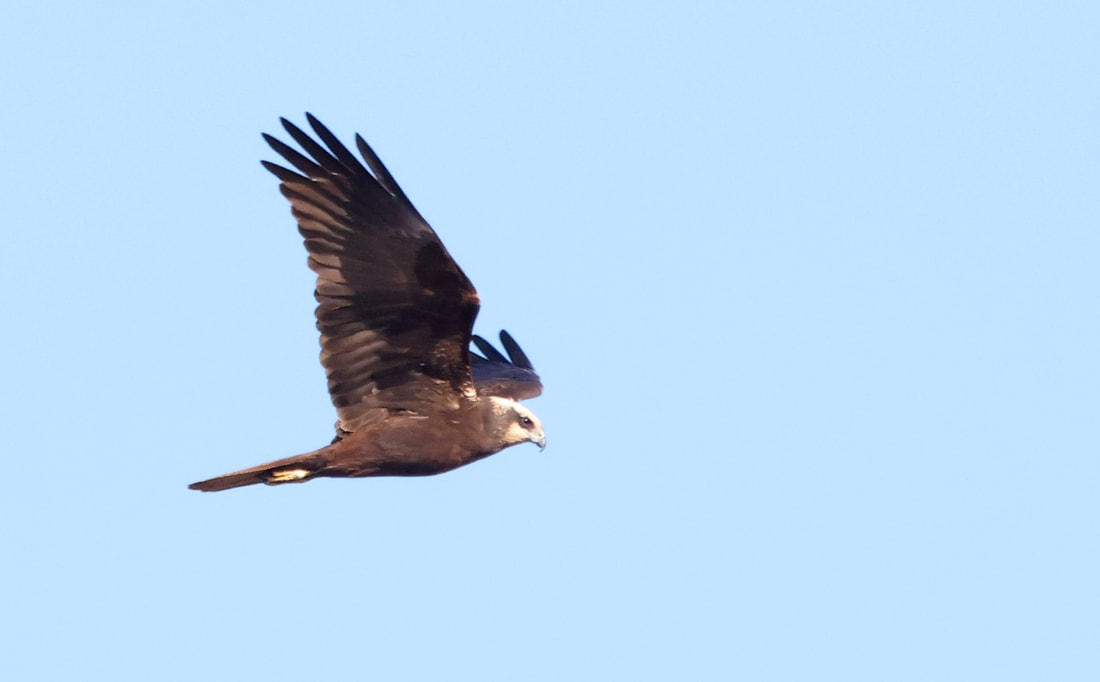 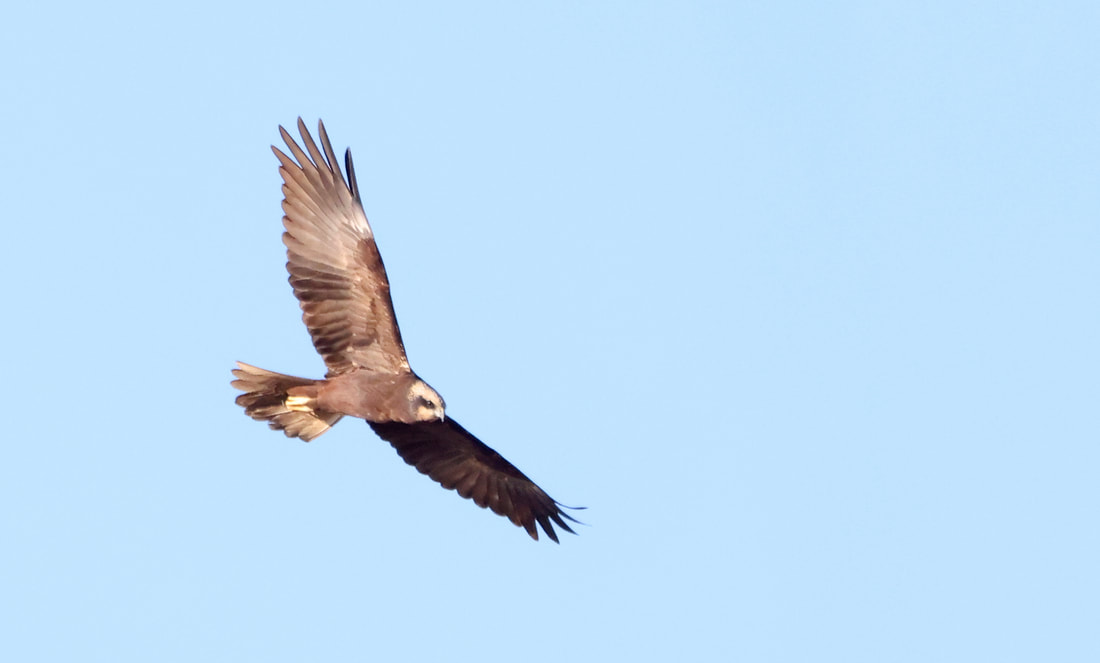 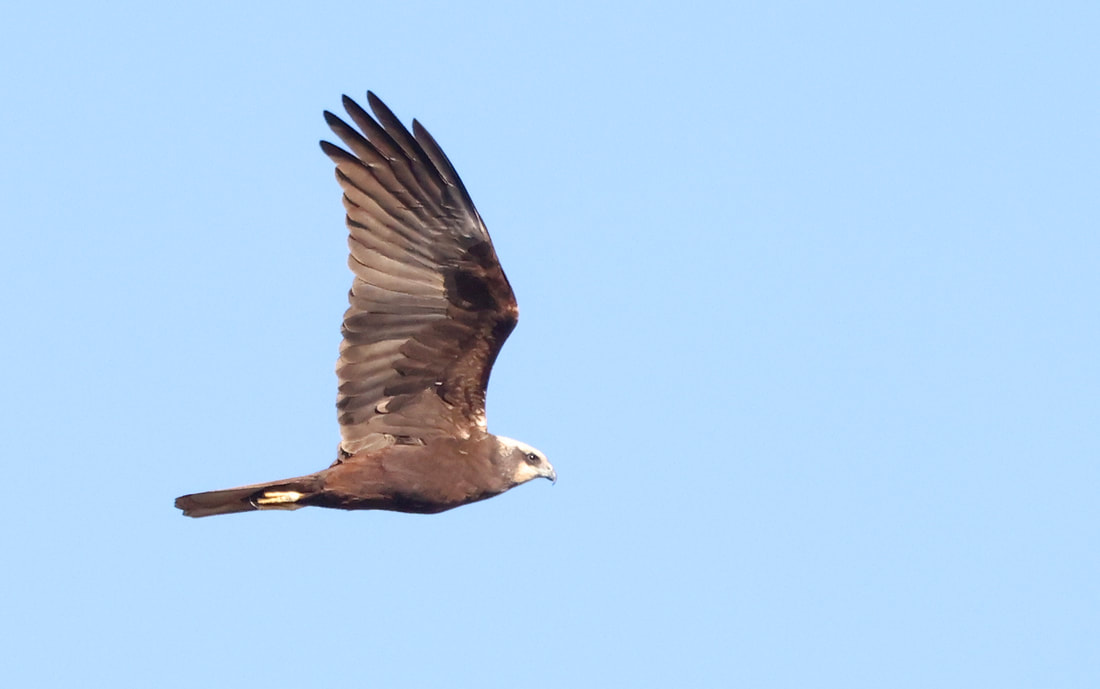 Smaller birds included this Stonechat and Robin. Bearded Tits were heard but not seen! 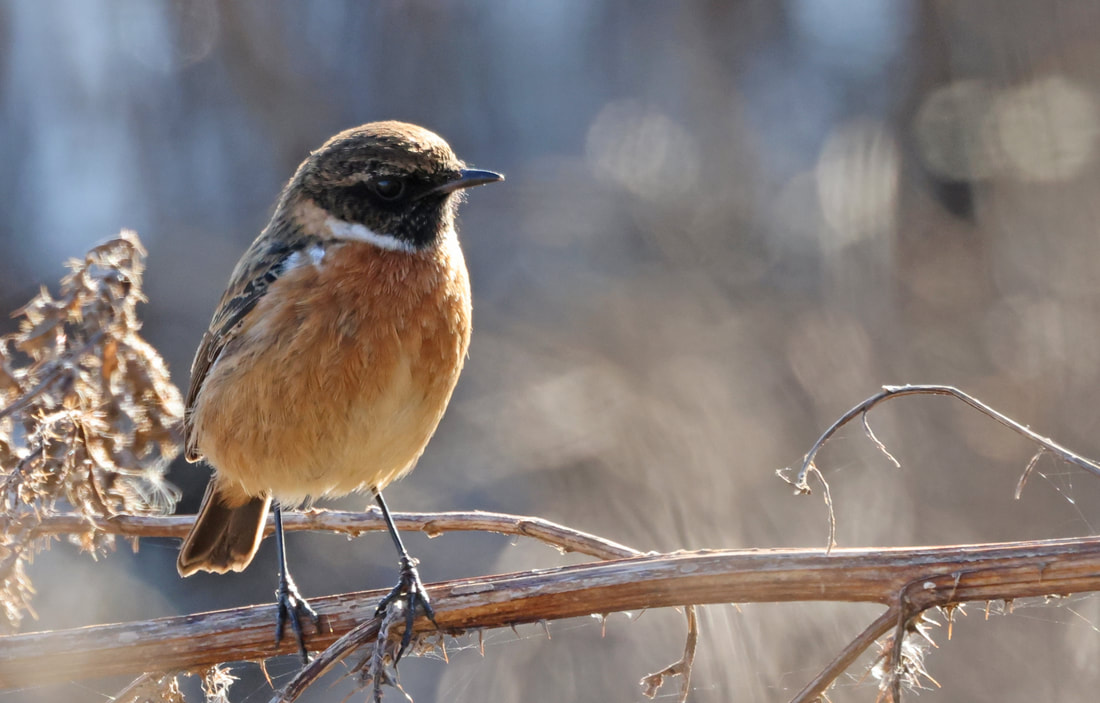 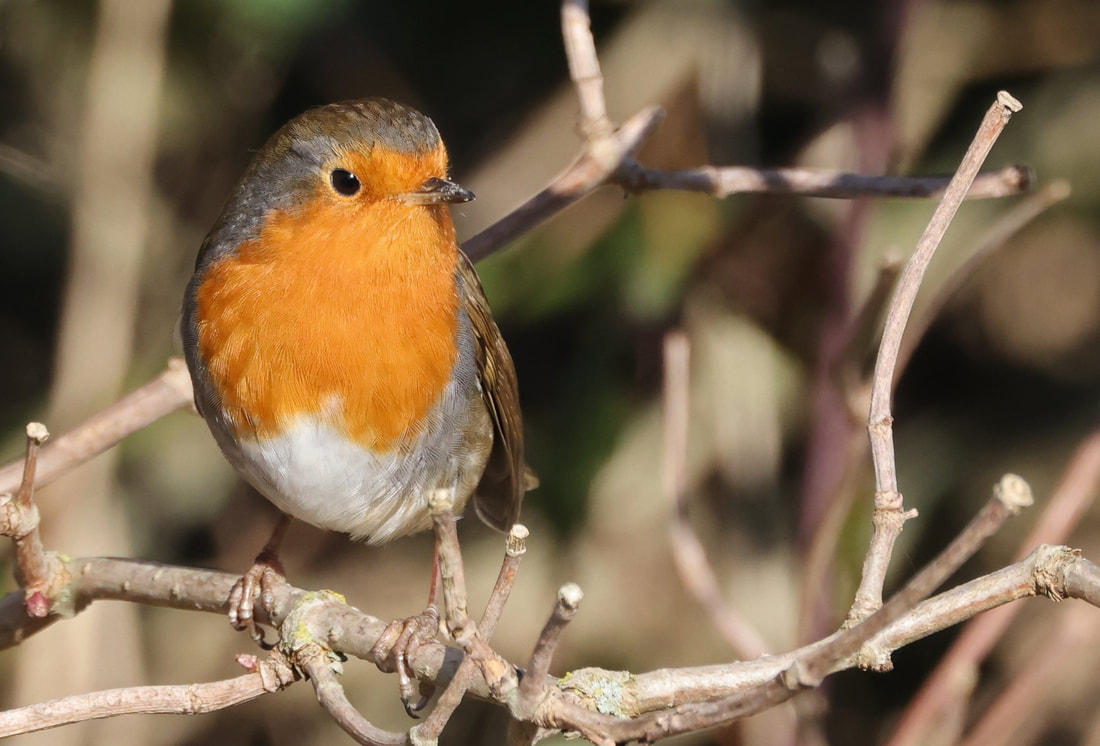 A Little Grebe gave some good close up views. 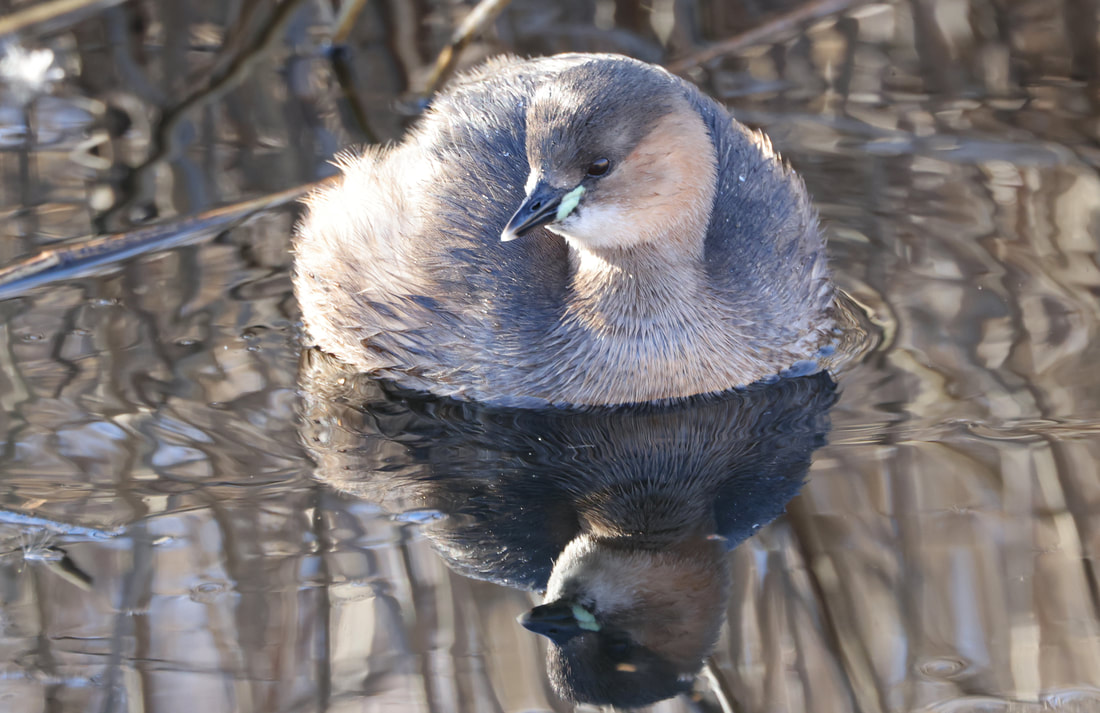 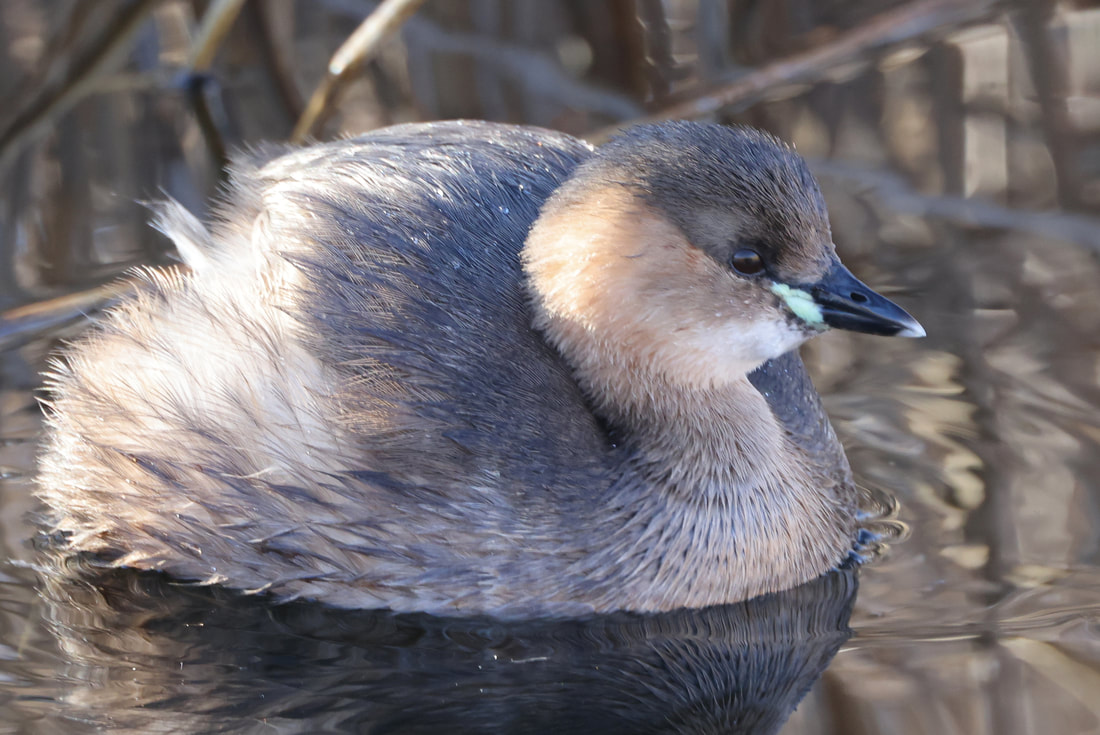 The ducks looked really good in the Winter sunshine and this Shoveler was obviously trying to minimise contact with the ice. 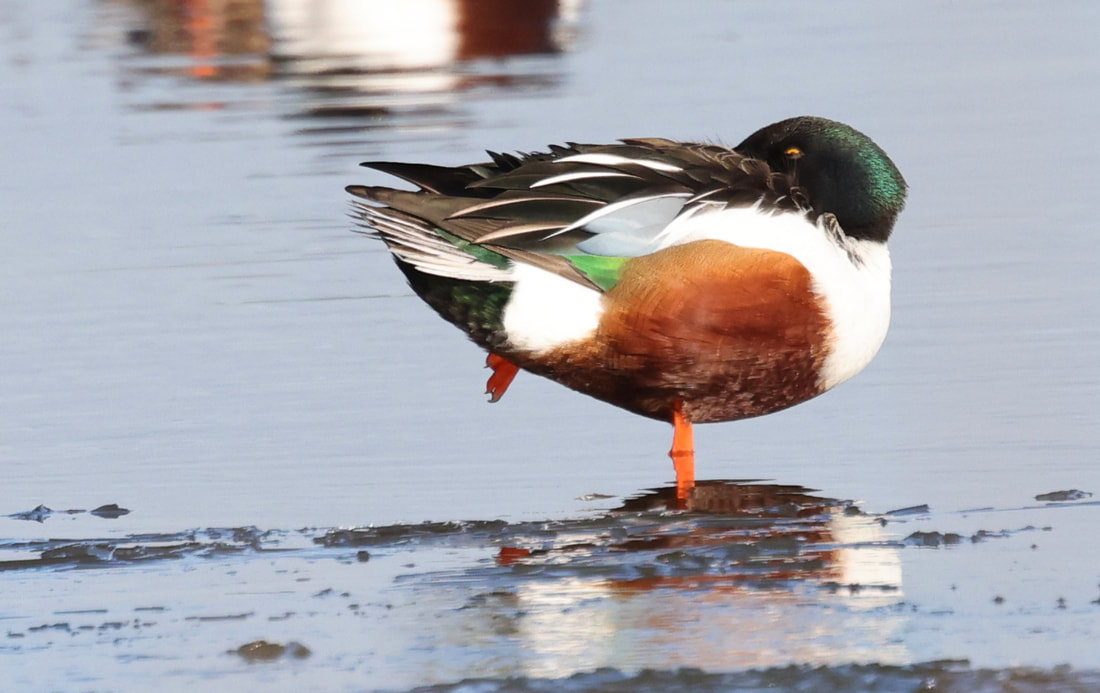 Pintail must be one of my favourite ducks, so nice to get a couple of shots of this pair. 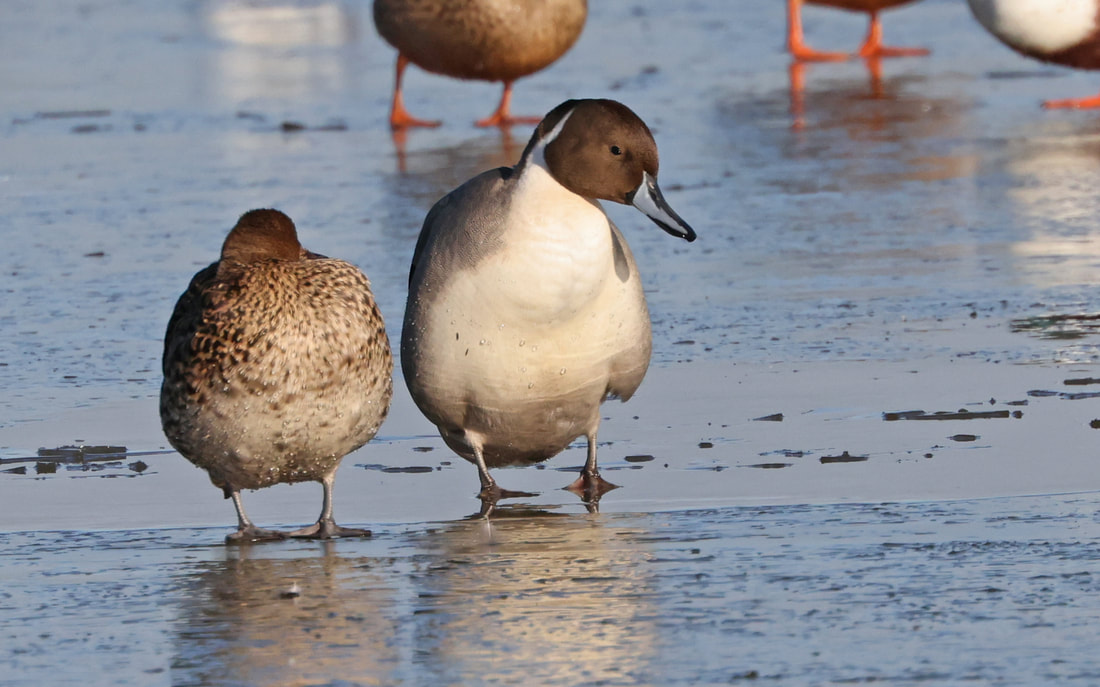 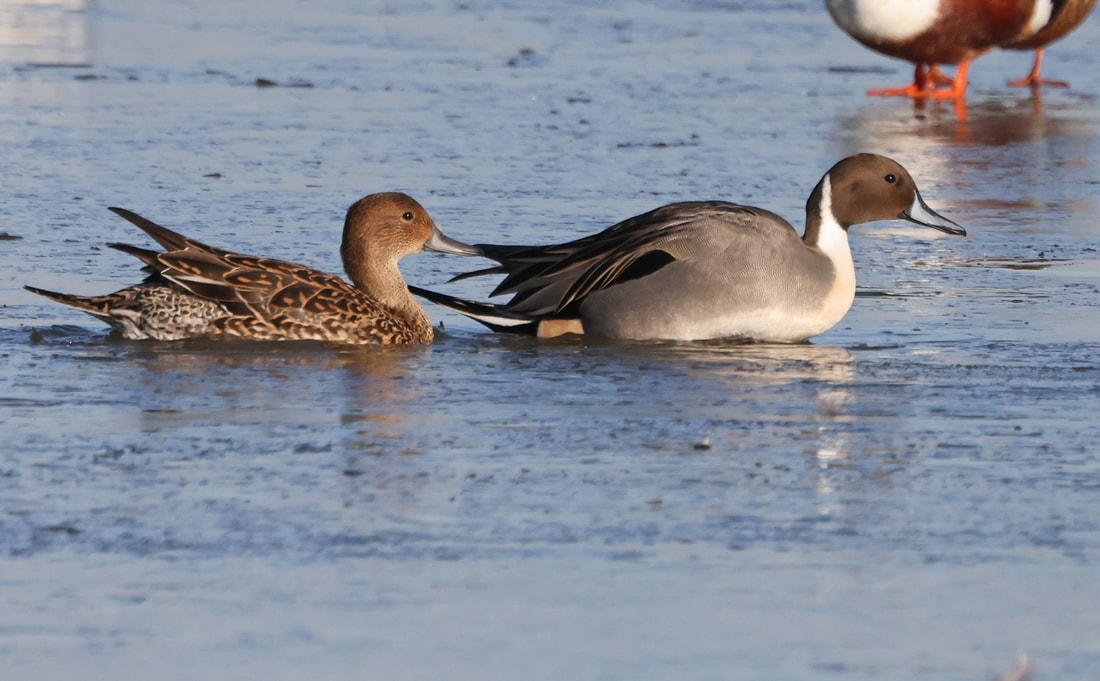 Finally on the duck section, some Wigeon flight shots. 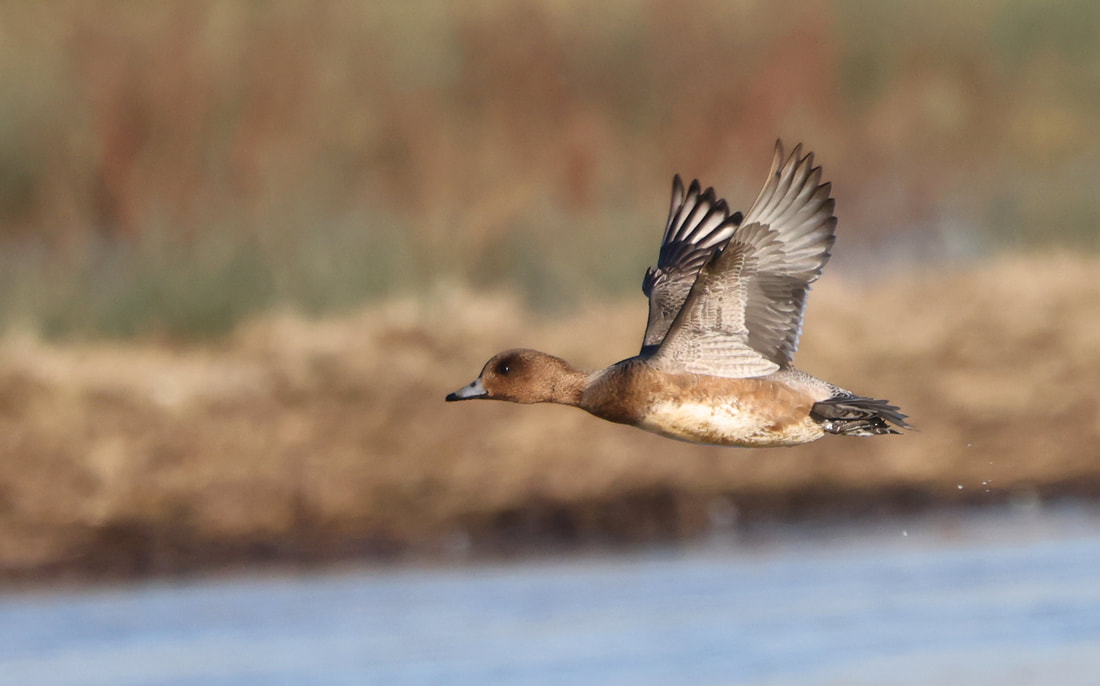 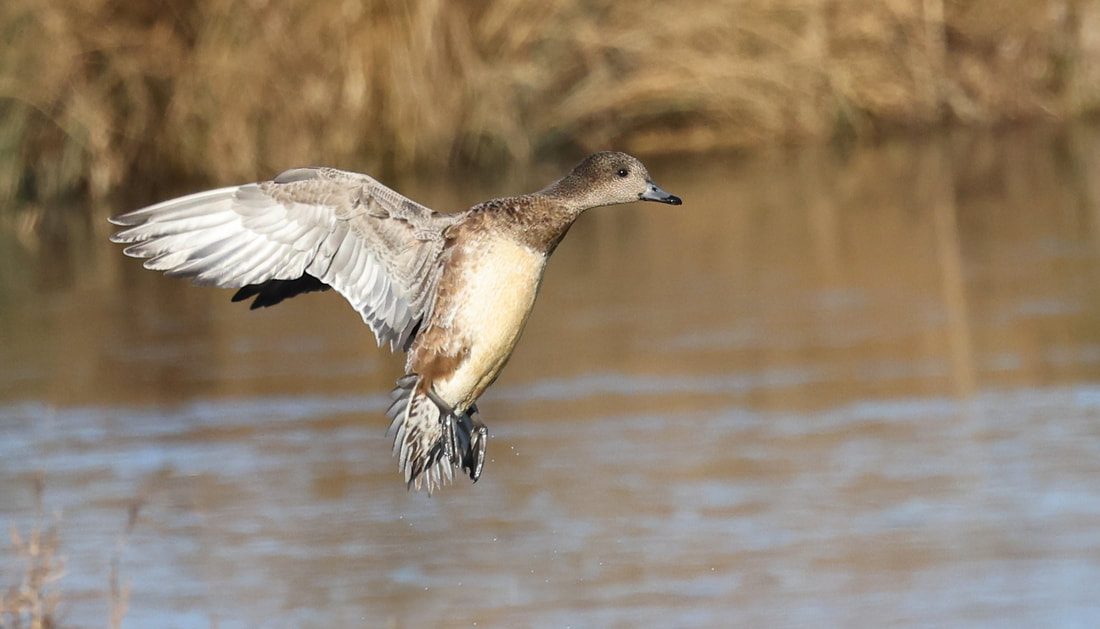 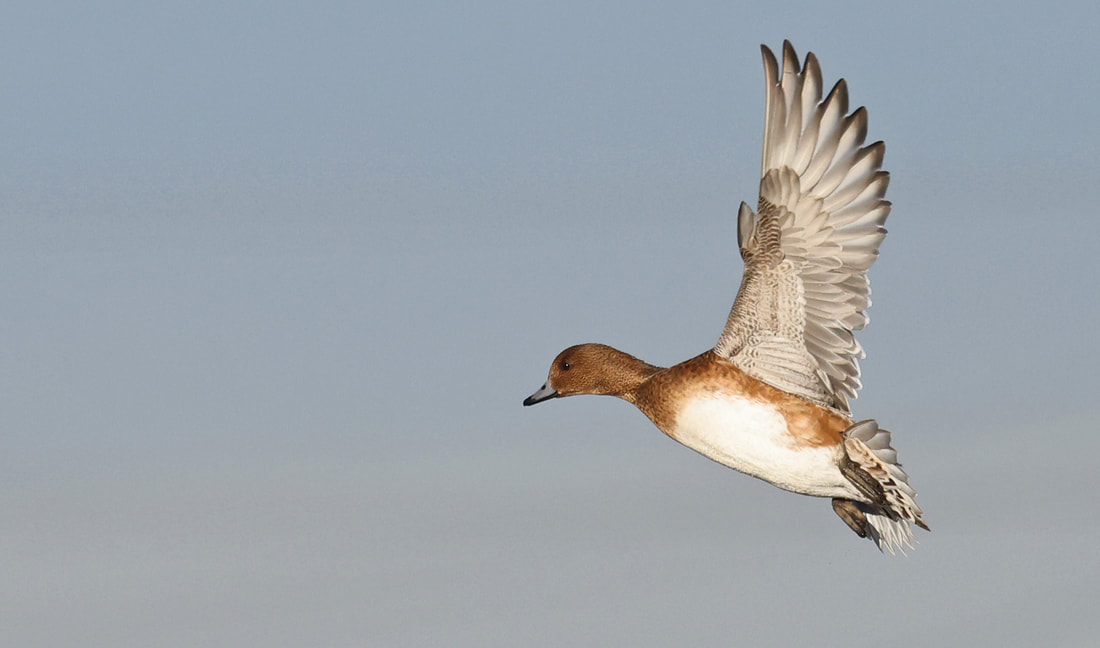 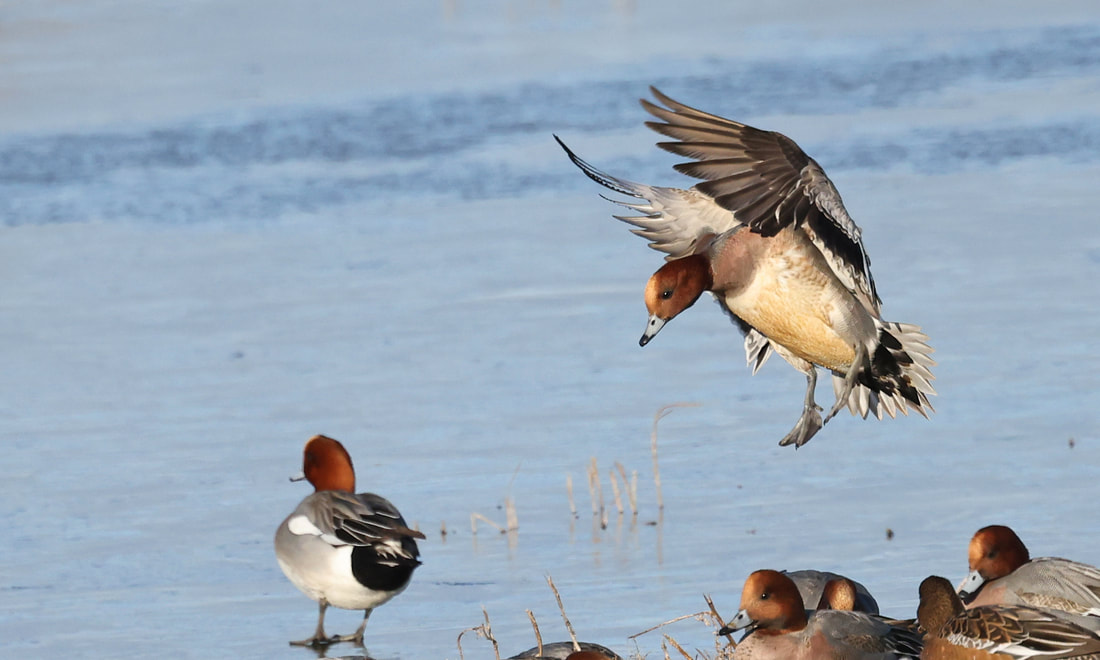 And a lovely sighting at the Butts hide of this Mouse sneaking out and taking advantage of the crumbs left by lunching birders! 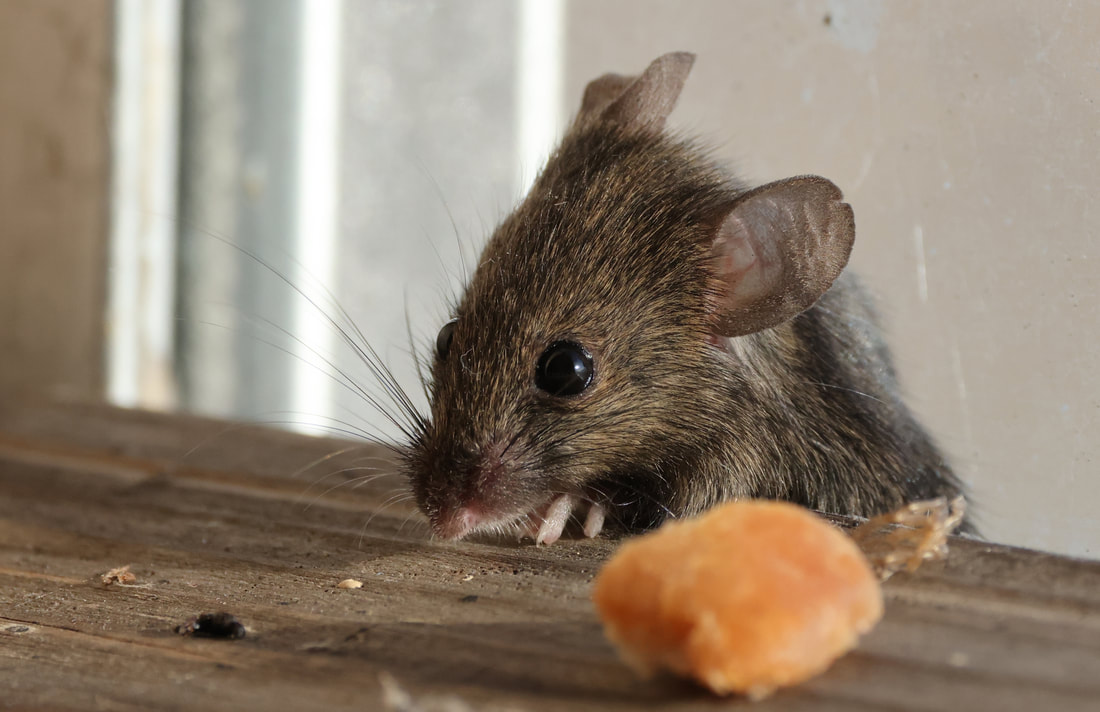 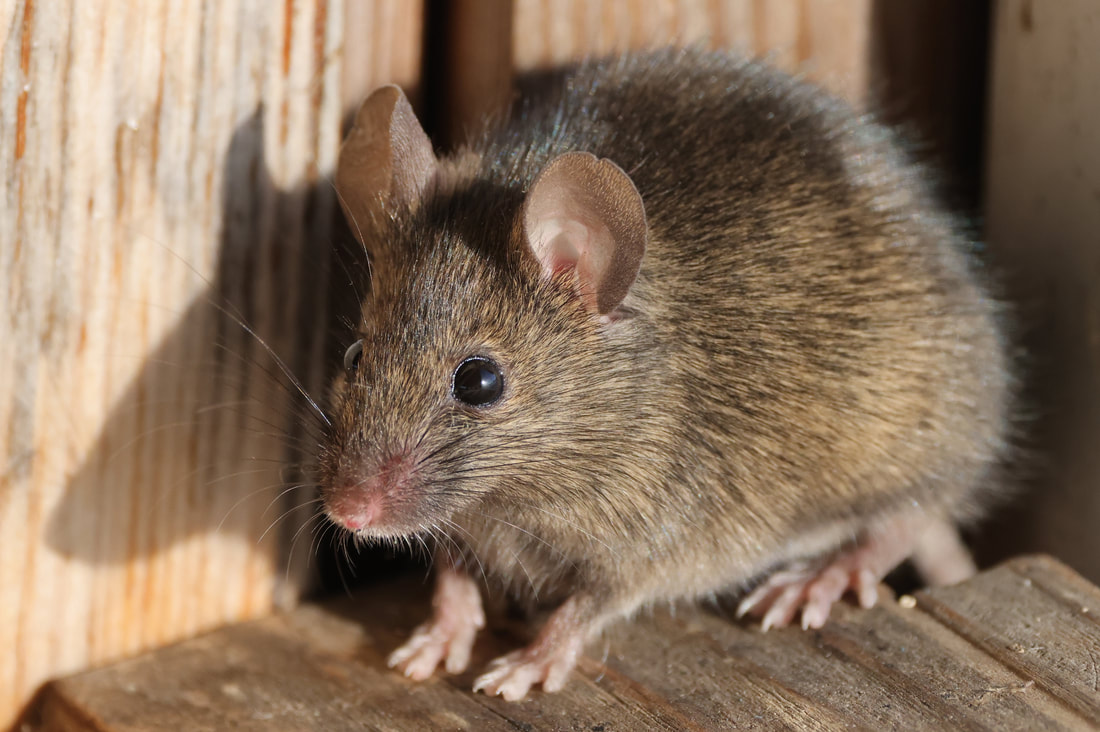 A great visit even if the reported Short Eared Owls didn't show later in the afternoon.
This rare visitor from North America had been present in a small creek for just over a week and had been drawing huge crowds so when the opportunity arose to go it was a no brainer despite the very early start in total blackness. Arriving at 7.17am there must have been at least 150 people already there. It showed at first light but I had initially poor views. It then moved more into the open and as people left I manged to get a better spot for some pictures. The light was very poor still so just a few record shots. 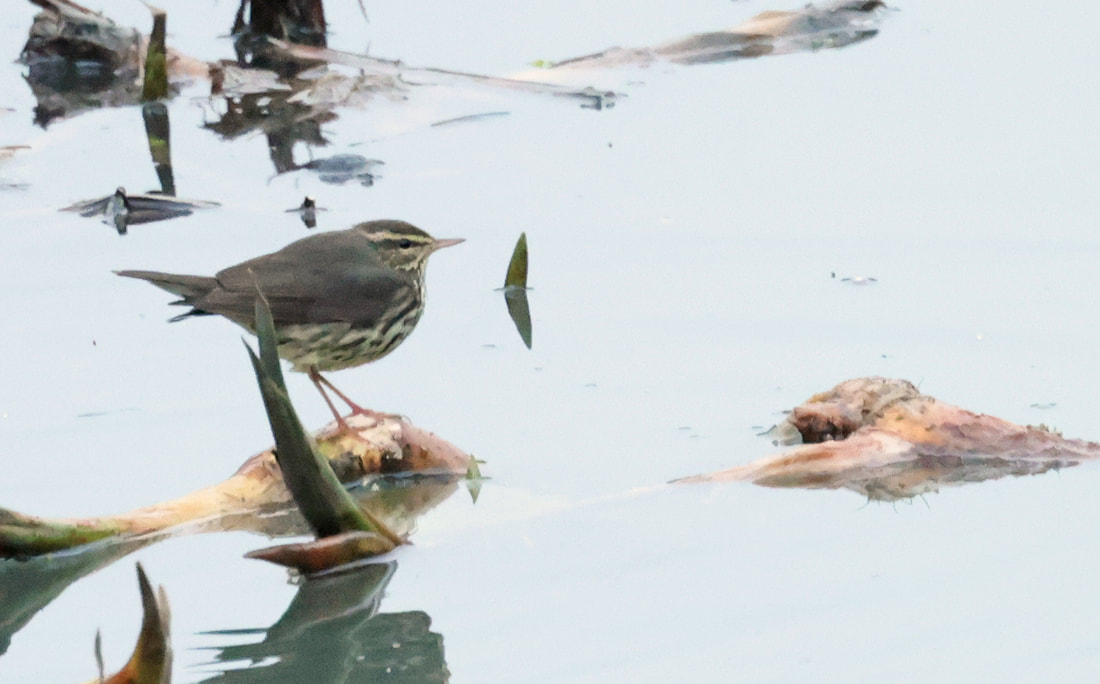 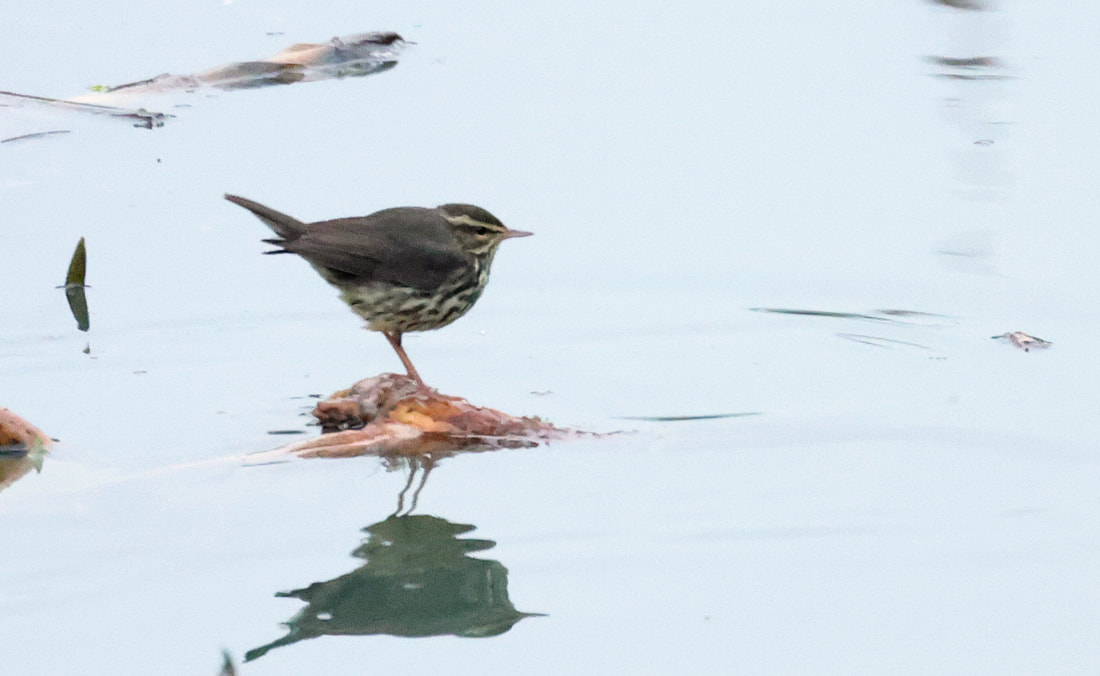 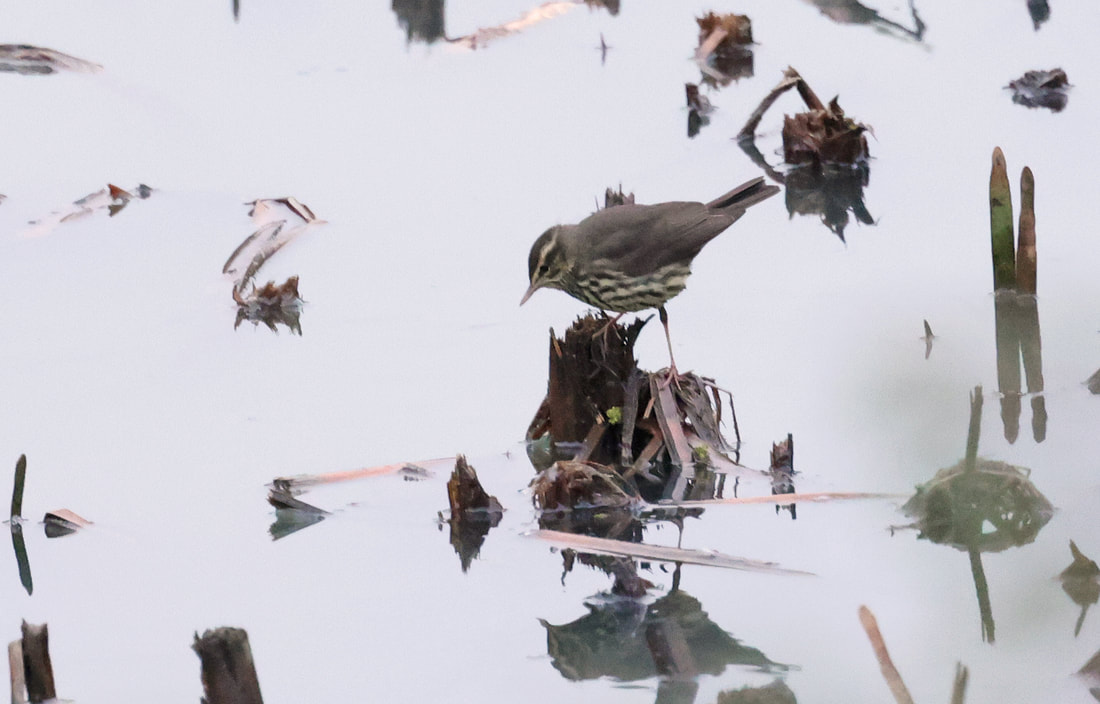 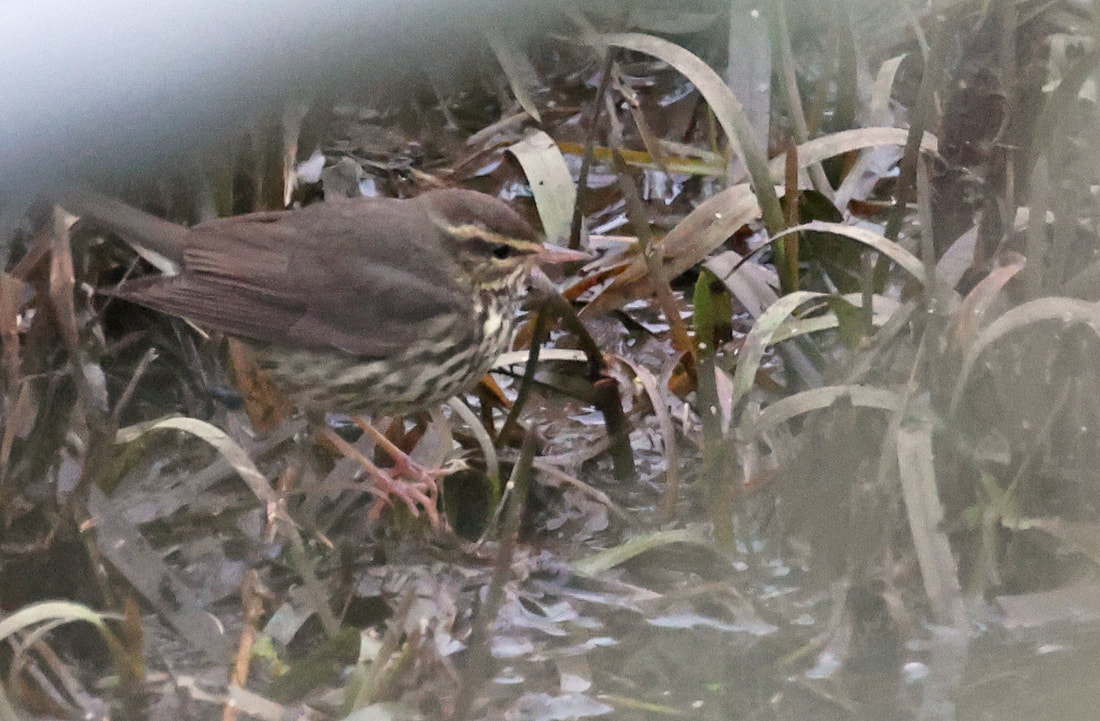 A super little bird way off course! Big thanks to Roland for the lift and some great birds later in Heybridge Basin including Red Breasted Merganser, Pintail, Golden Plover, Brent Geese and Bar-Tailed Godwit.
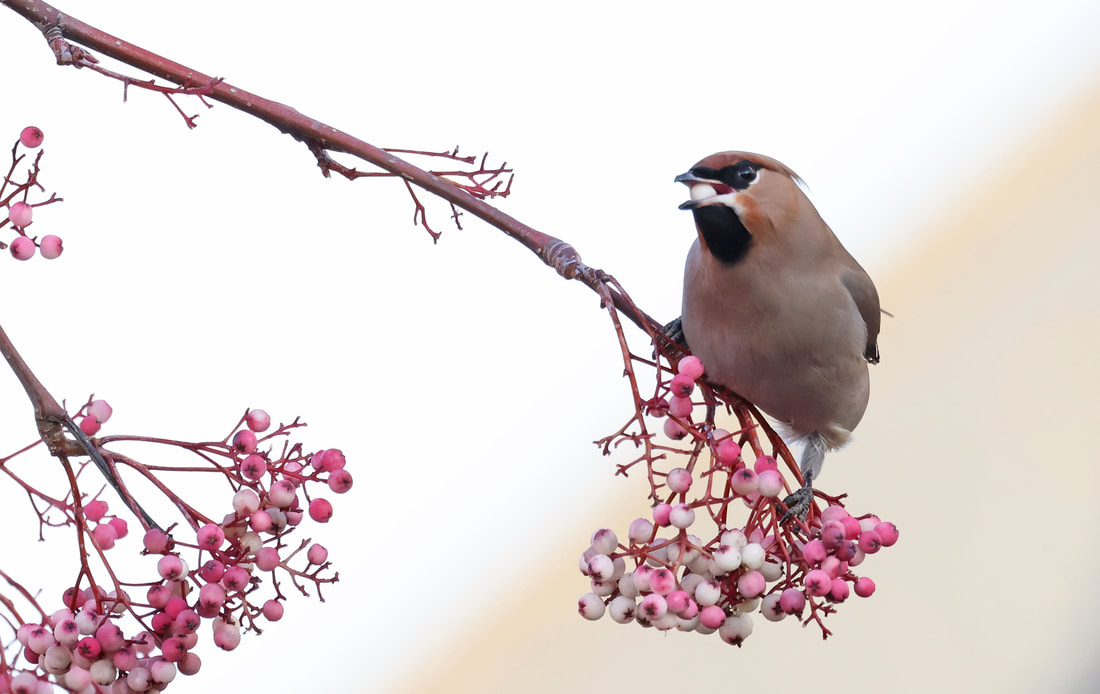
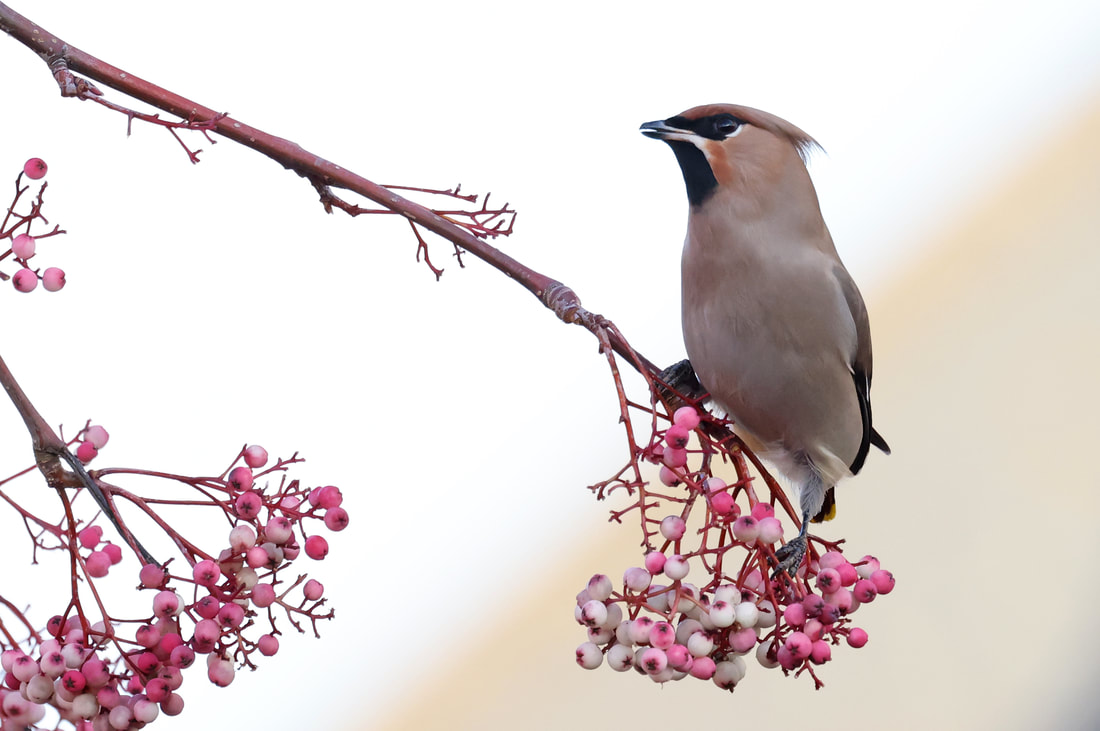
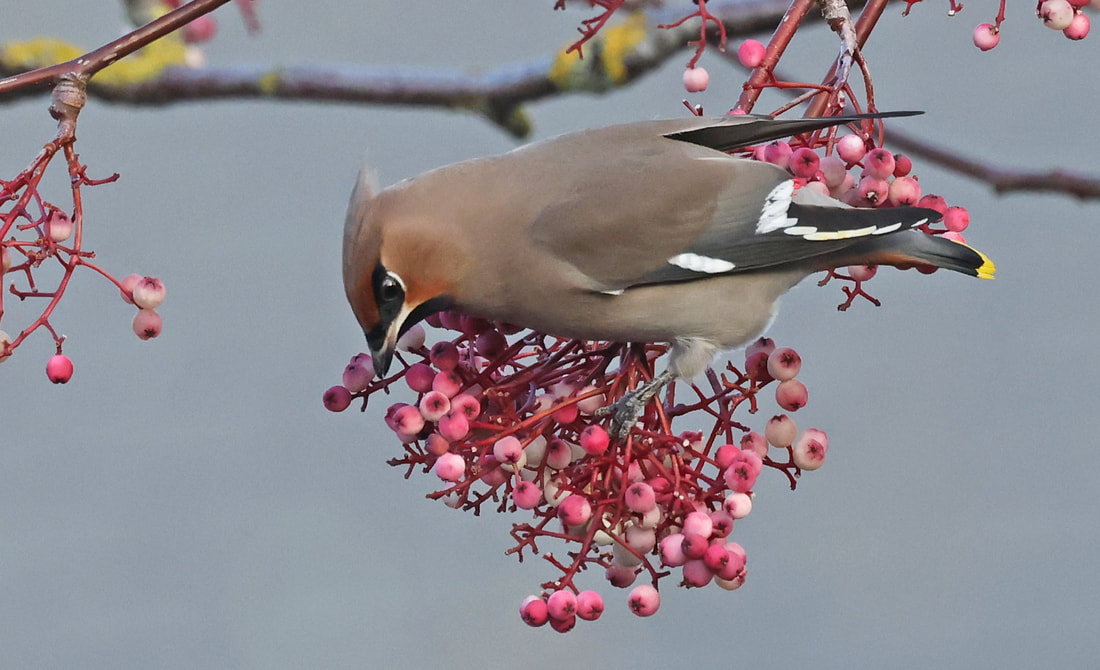
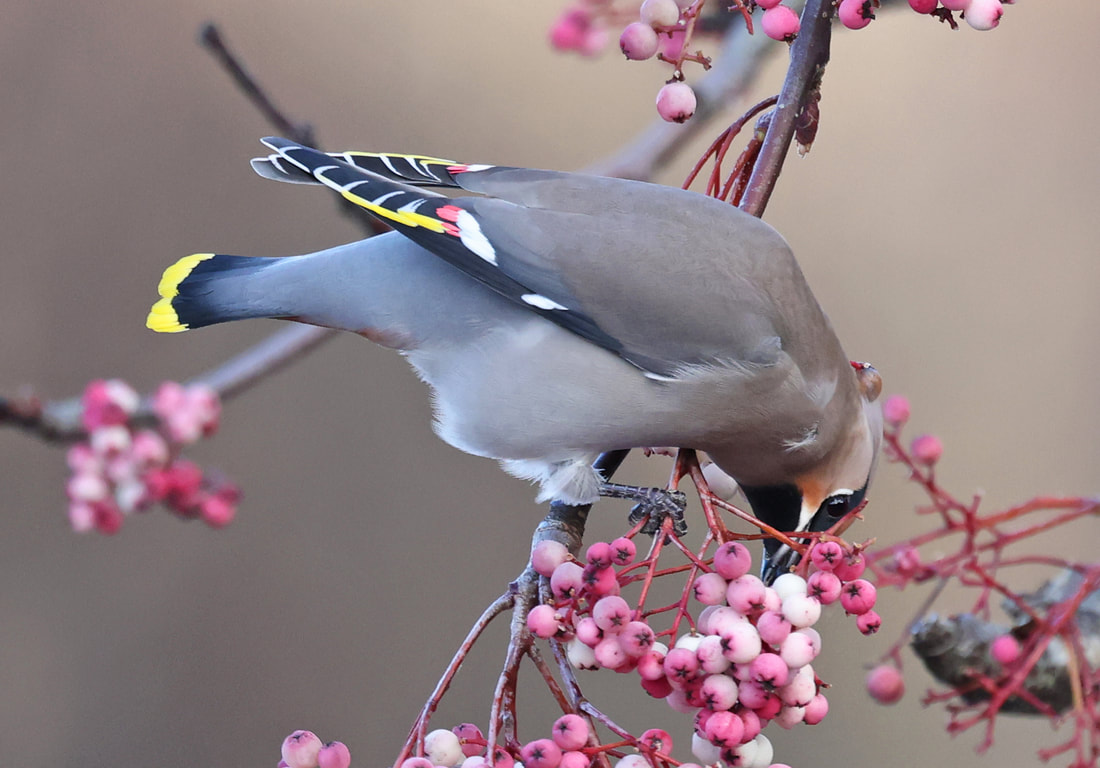
Over the festive period I had been struck down by cold and a nagging cough. Thankfully on the mend, a short trip to Bramfield was due as the Hawfinches had returned. A surprise was three Ring-Necked Parakeets in one of the Yew trees. 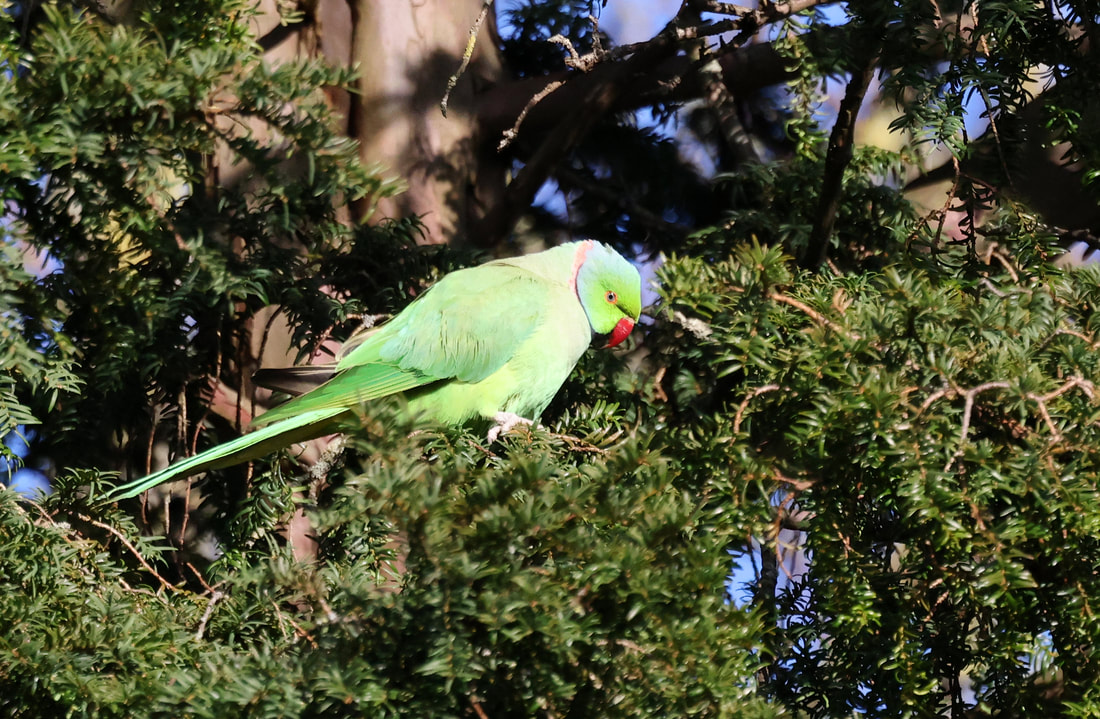 The usual views of Hawfinch here are generally high up in a bare tree before they disappear. This male has a ring! 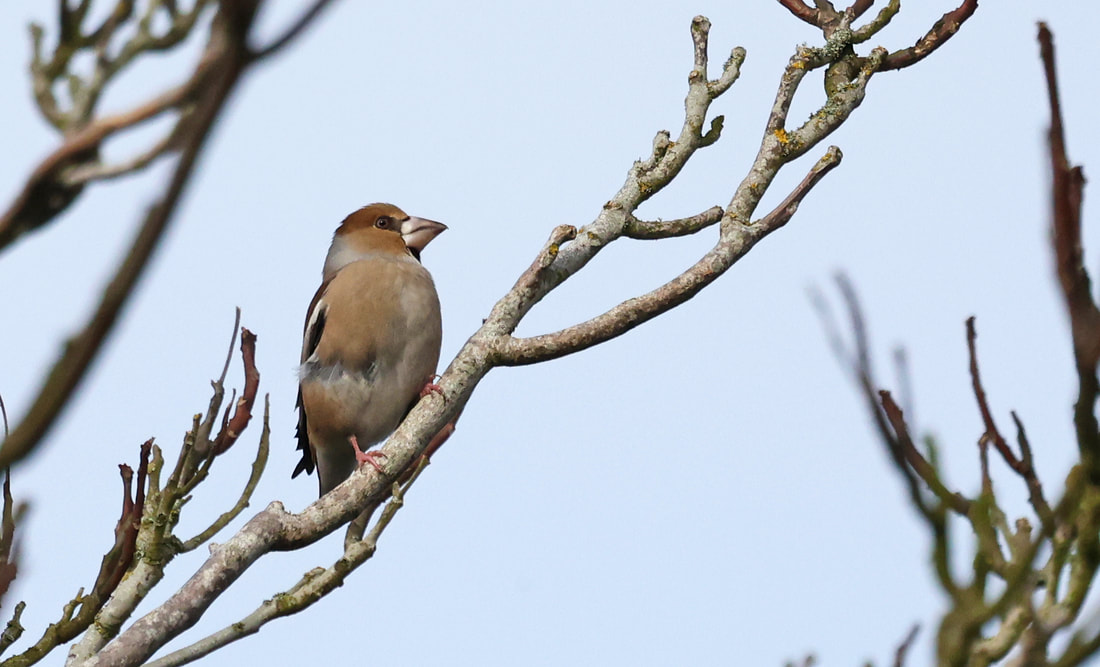 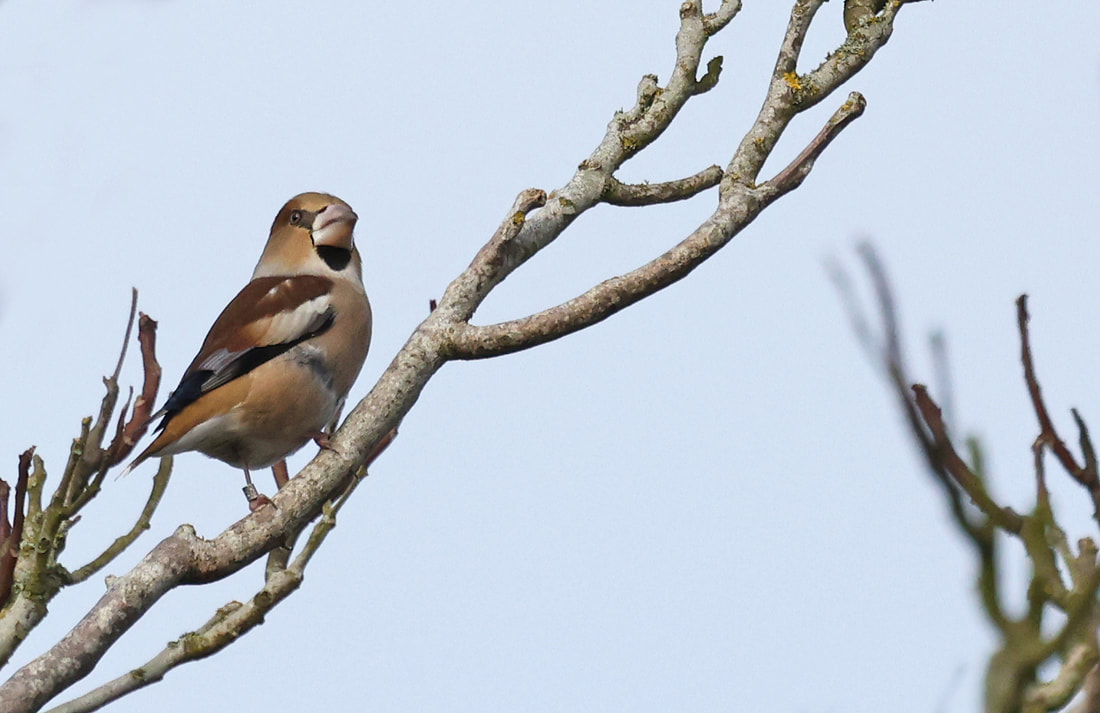 It pays to keep an eye on the floor as this female was feeding in the leaf litter. Really difficult to see initially! Since this date, some seed has been scattered, so worth keeping watch for more on the deck as well as Chaffinch, Greenfinch and Brambling. 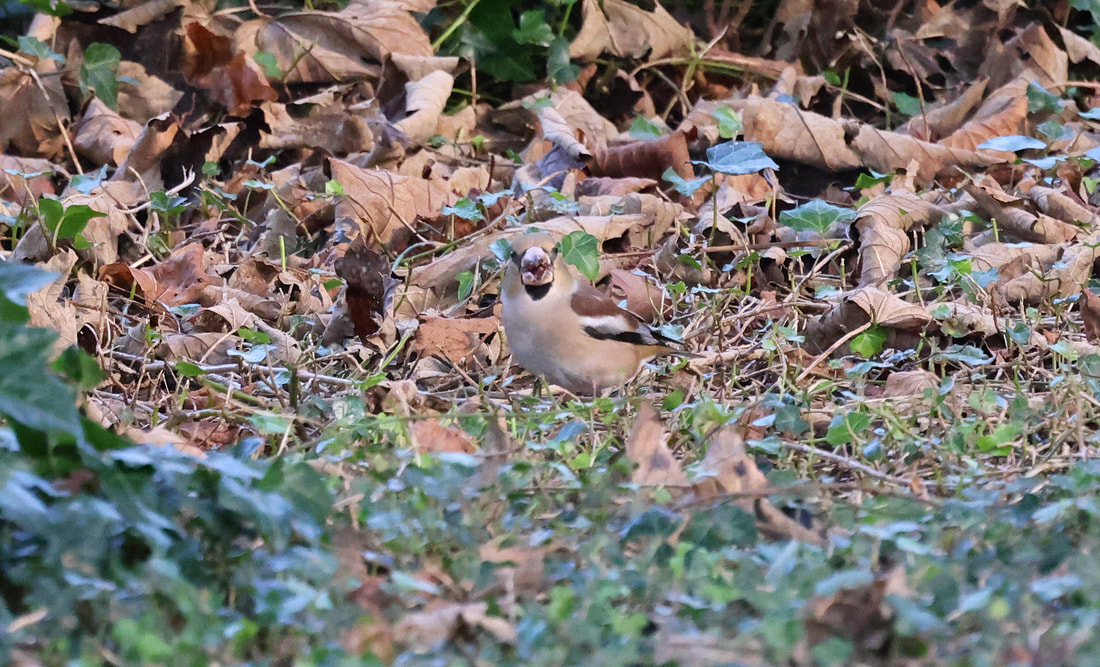 But my best shots were of this female feeding in the Yew trees. 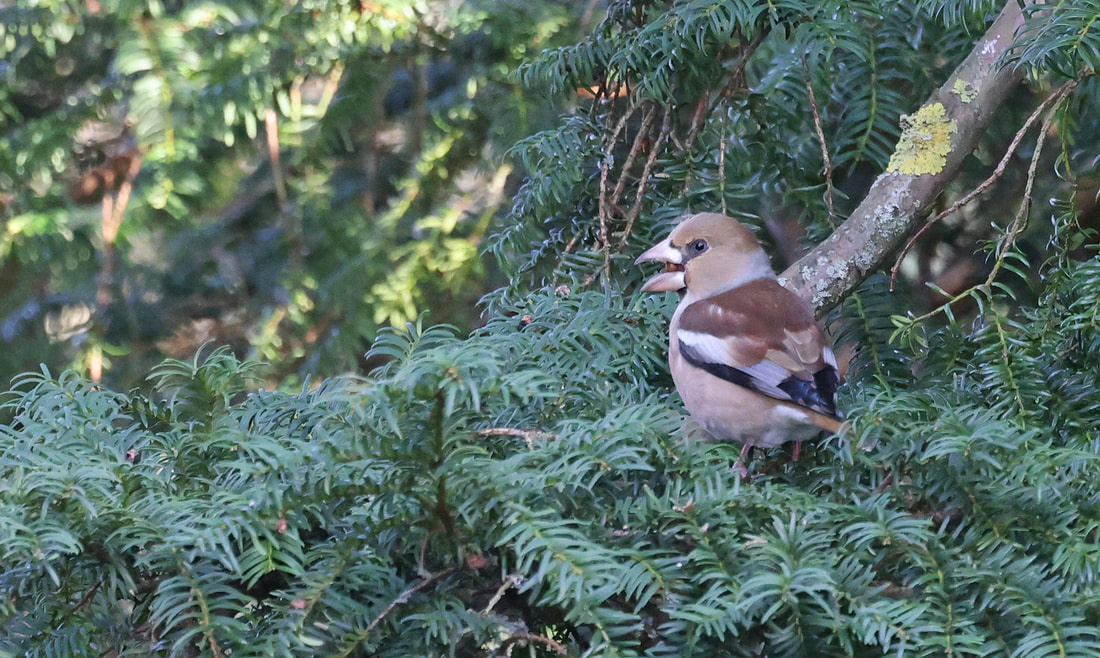 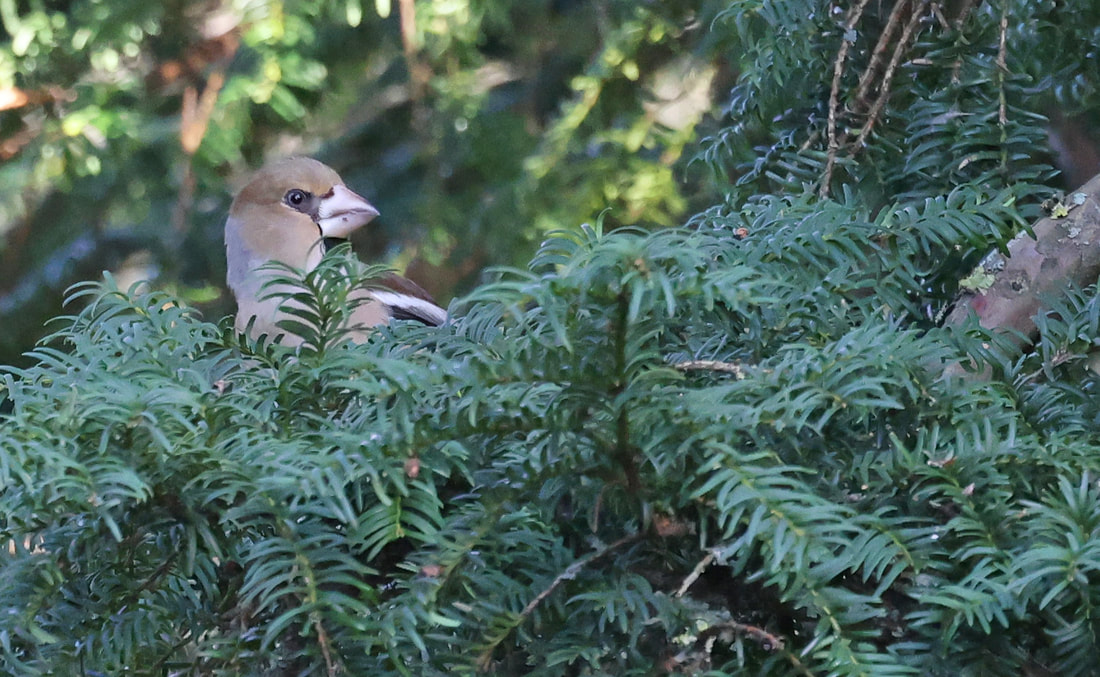 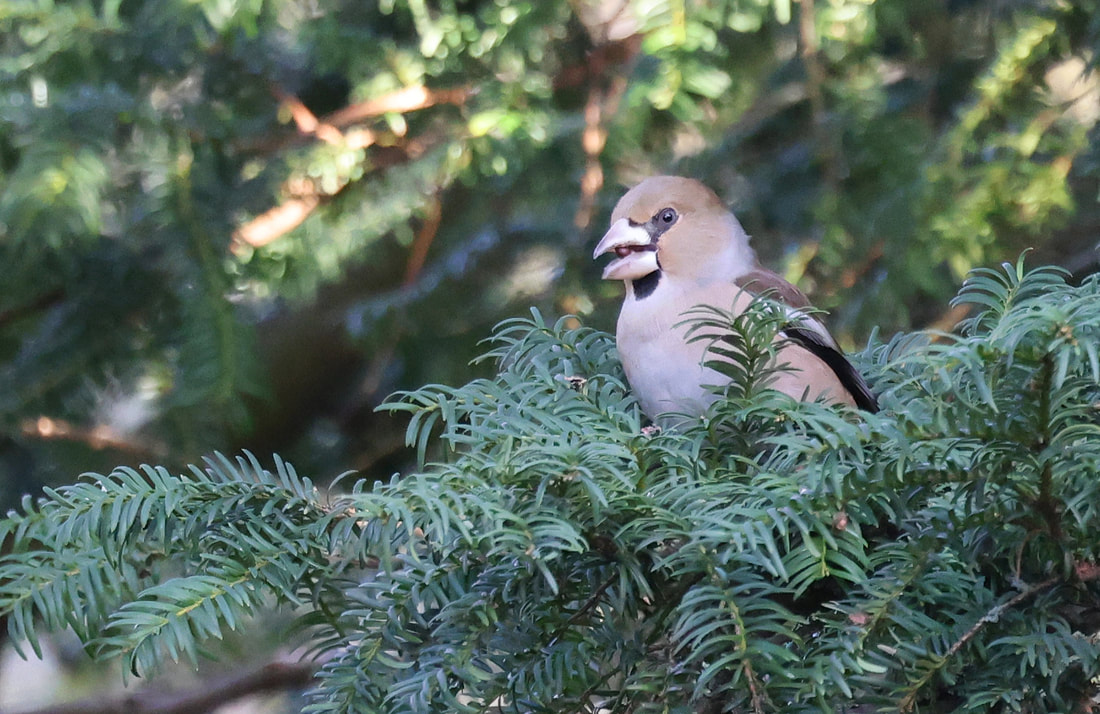 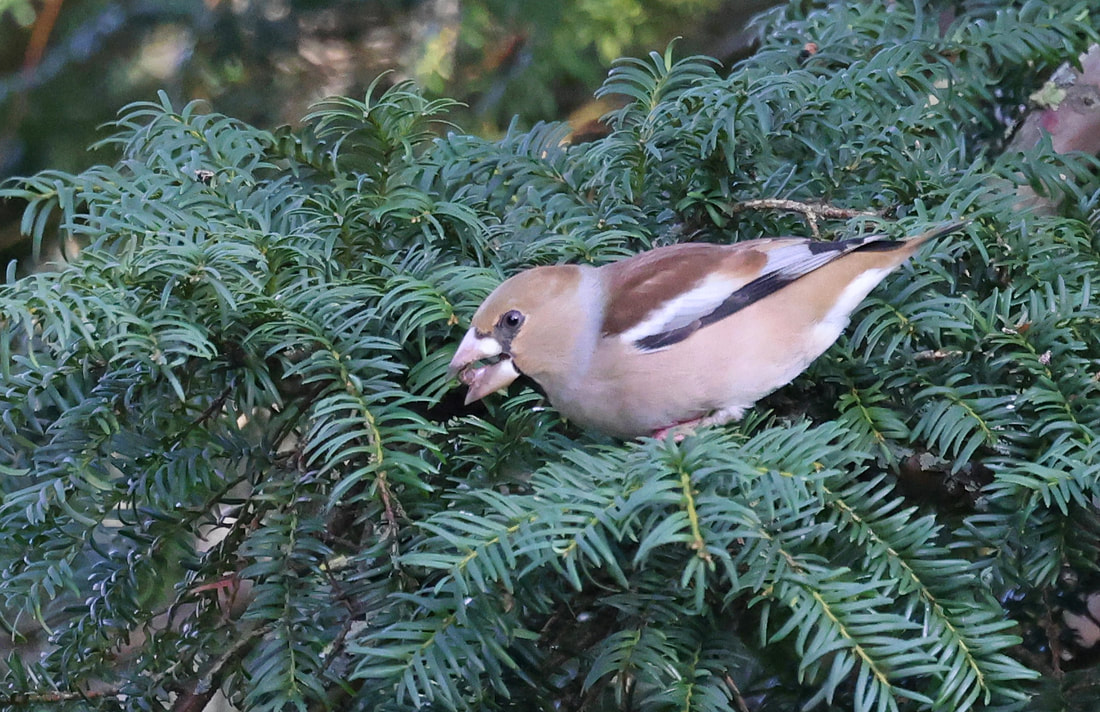 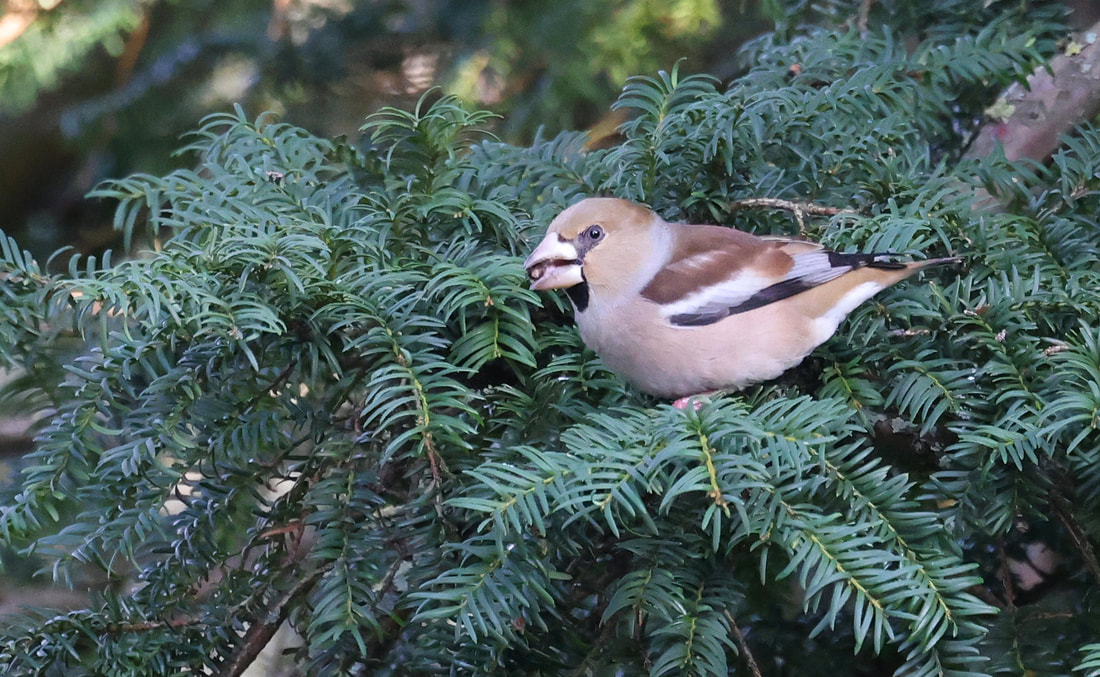 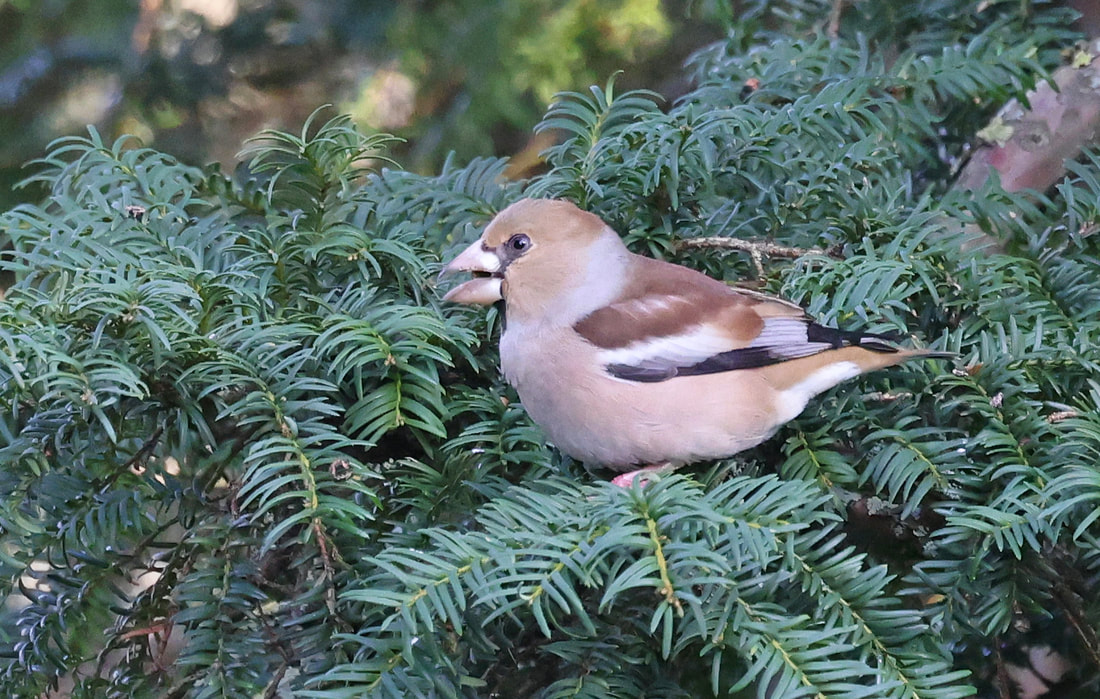 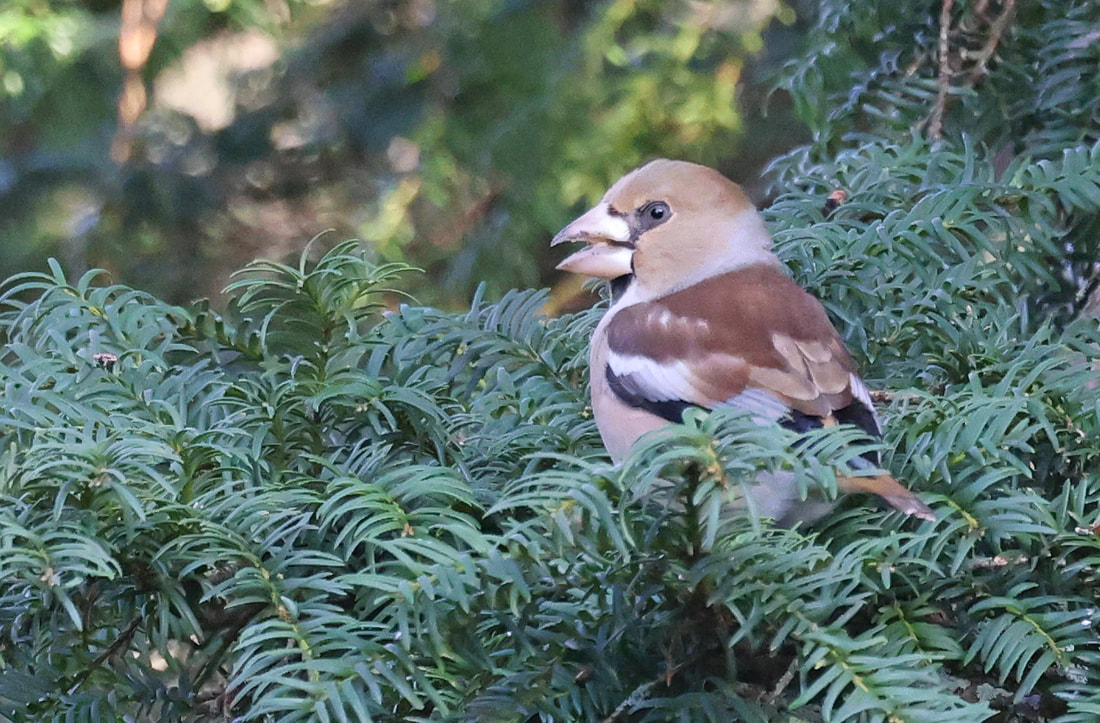 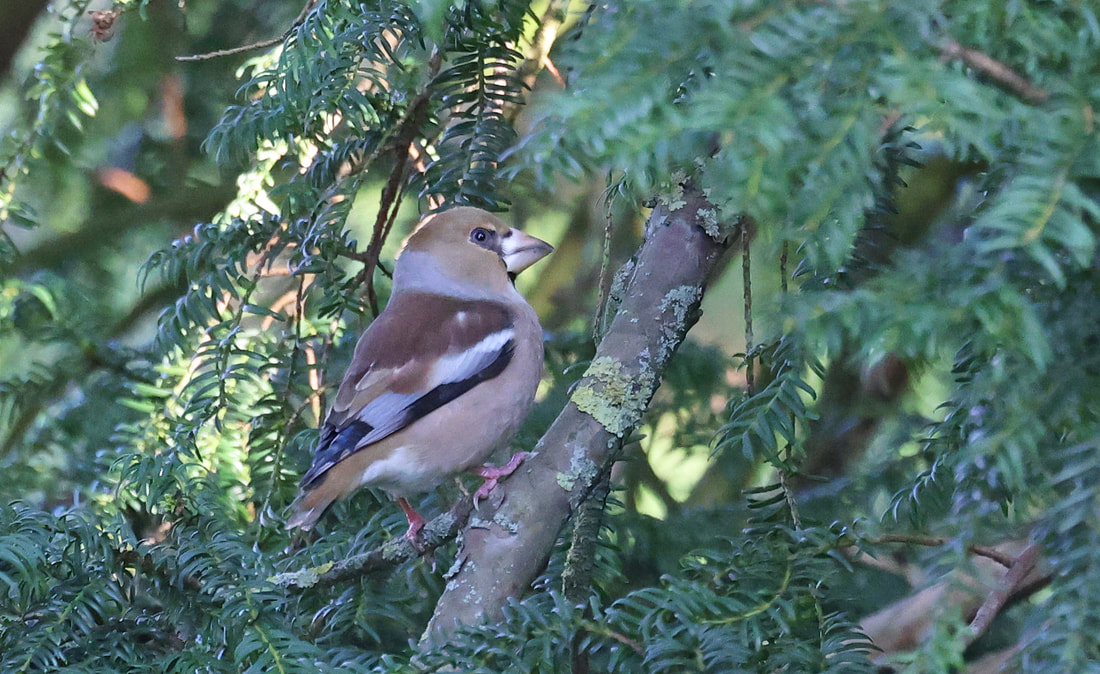 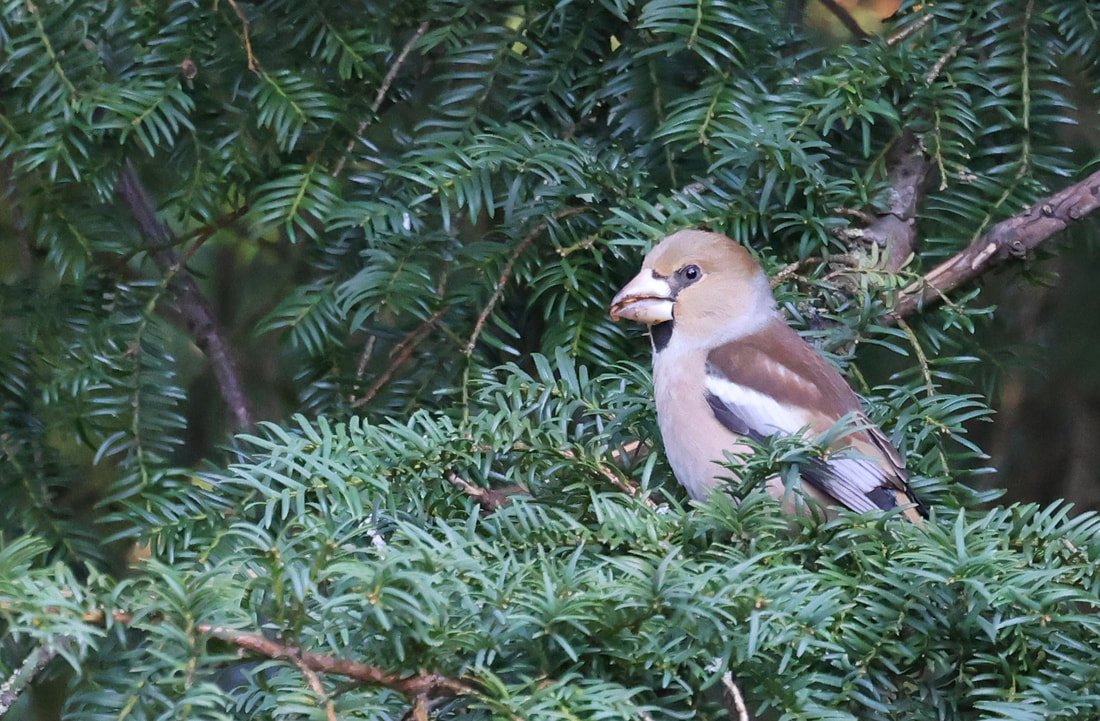 What cracking birds! Also great to see so many familiar faces. A quick visit the following day to Rye Meads revealed no fewer than five Great Egrets (which initially I thought were Cattle Egrets as they were hunched up). They stayed for around an hour before relocating to the meadow and then flying off North. 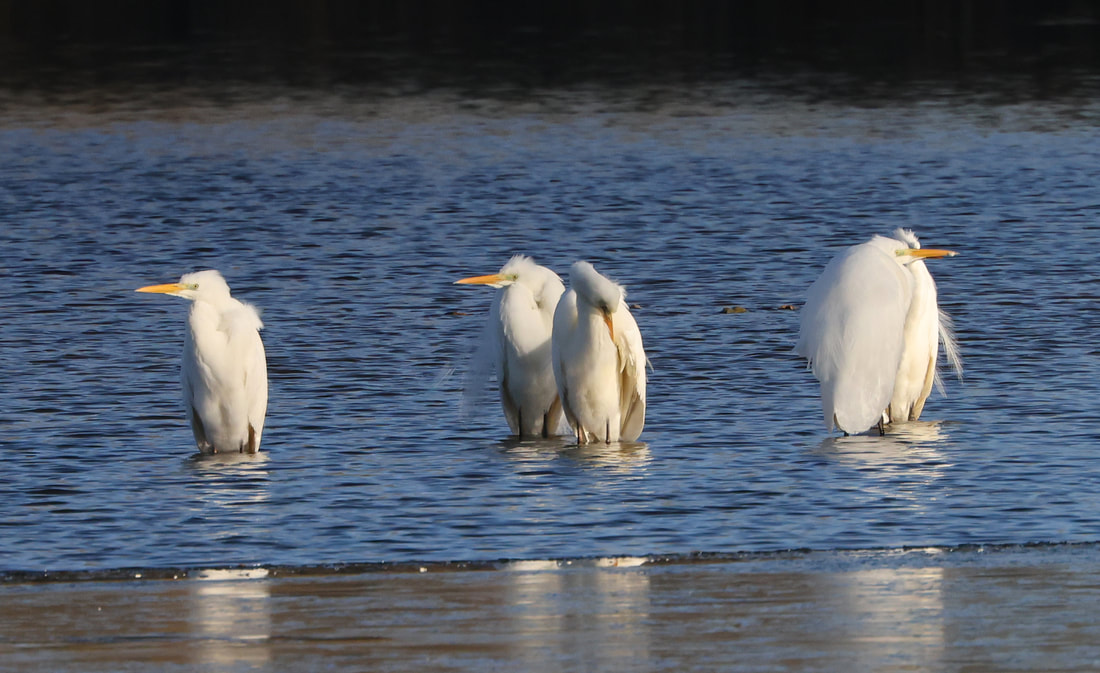 I didn't think I would be posting again so soon, however I had a message from a good friend, Andy Bartlett who just happened to be popping by Wickes in Hertford. He said there were now 17 Waxwings there! A quick dash down there (in much better weather this time) in time to see this amazing sight. There were in fact 19 birds, calling and feeding on two small Sorbus trees. The first two shots attempt to show the numbers when they were perched up in-between feeding. 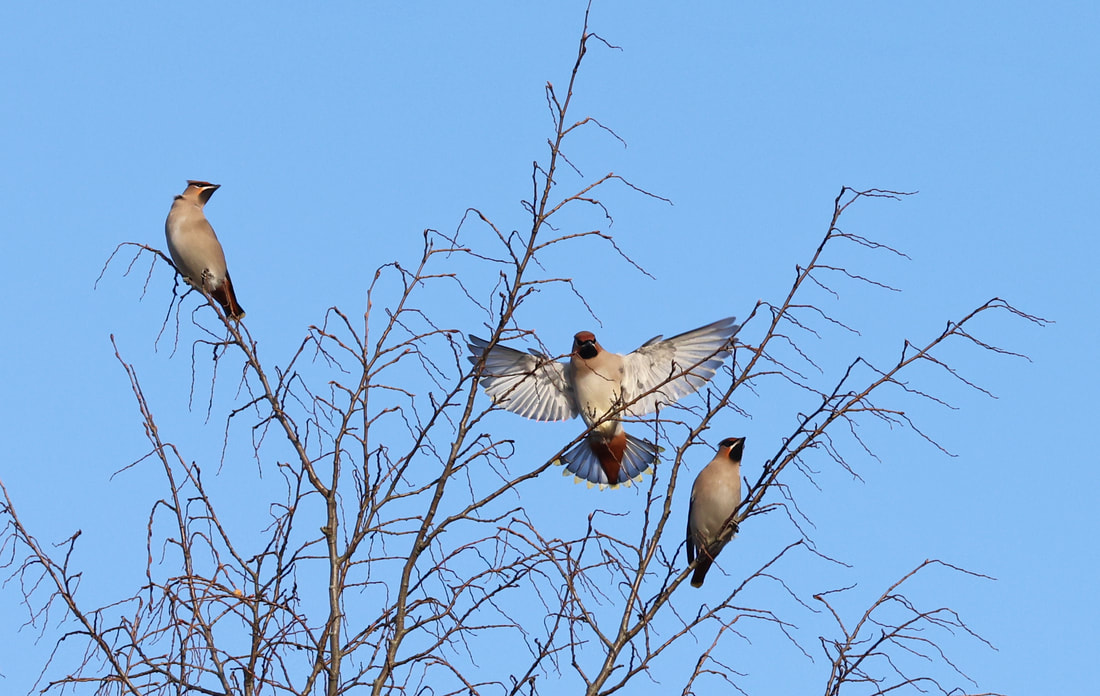 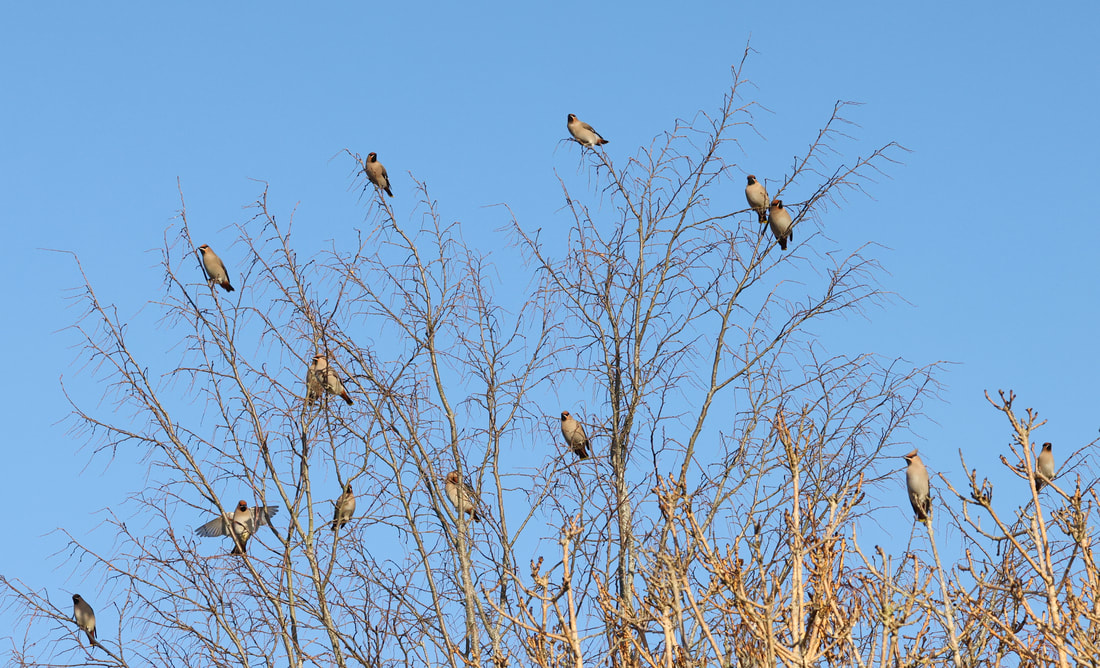 It actually proved more difficult taking pictures this time as you did not know where to look at times. They were in and out quite quickly, flying just over my head at one stage.  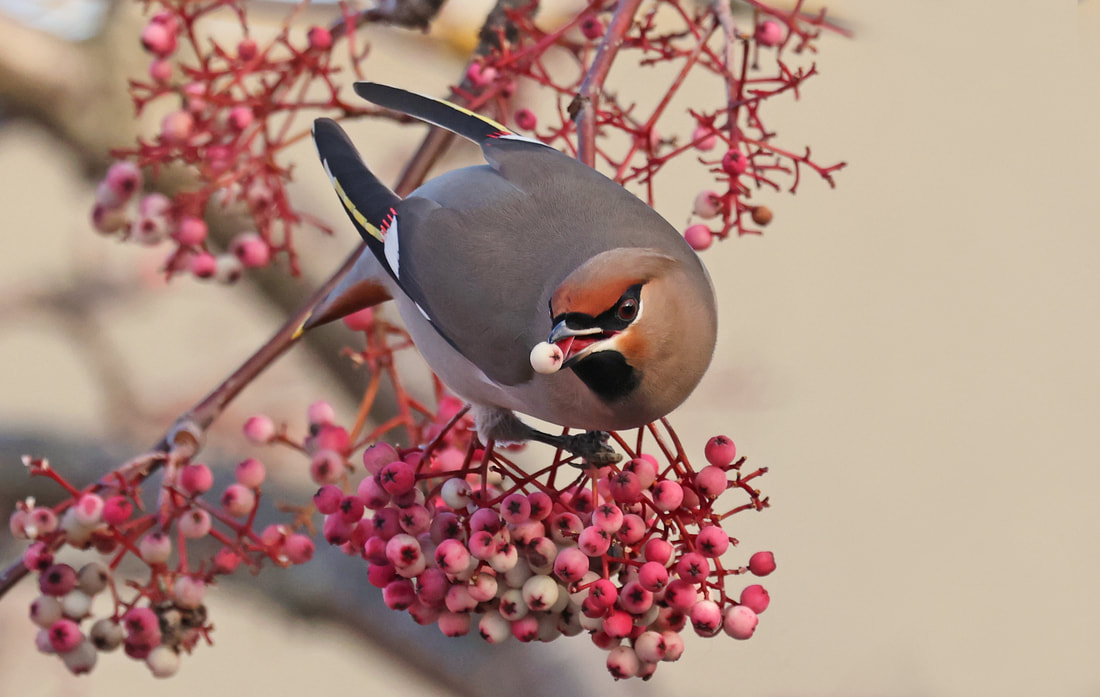 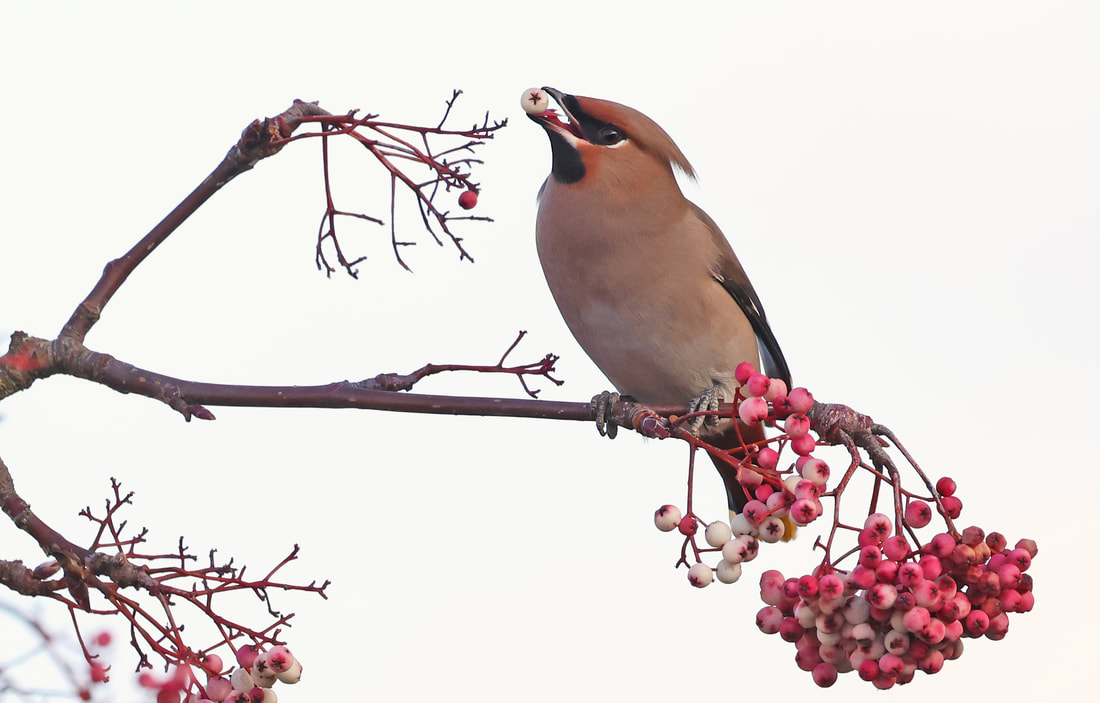 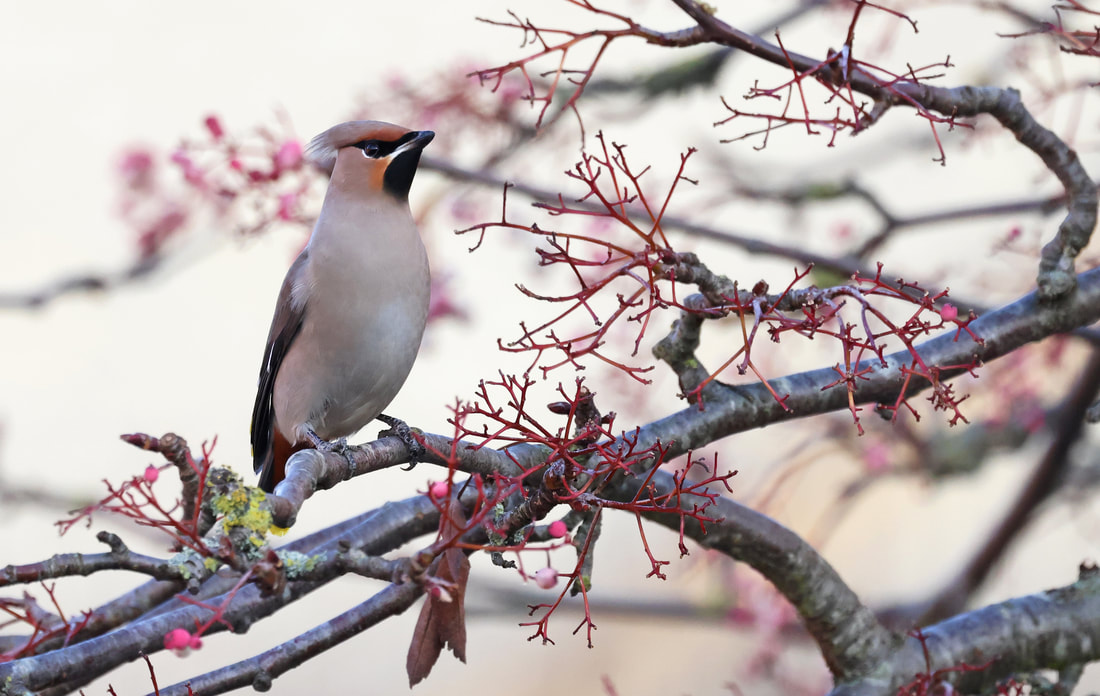 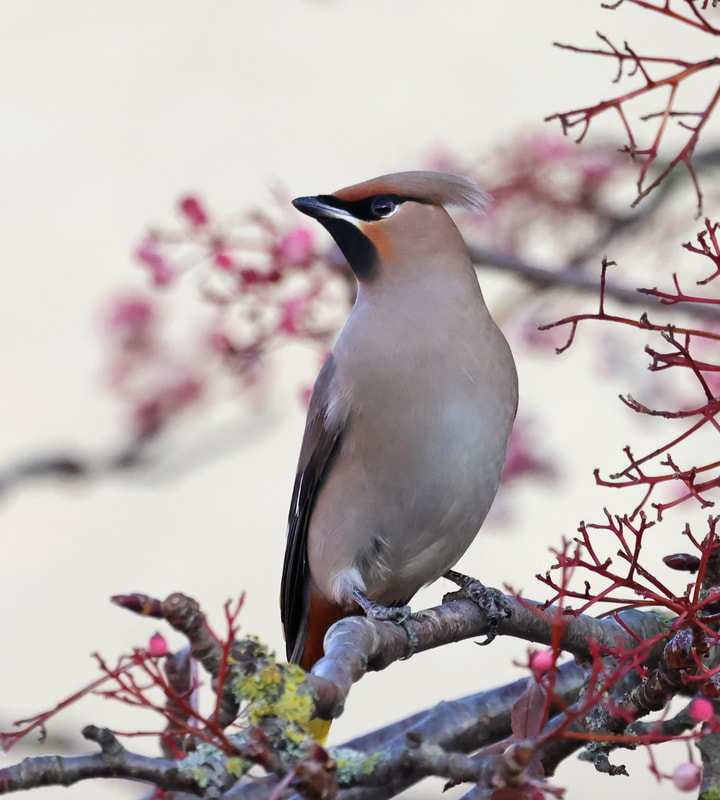 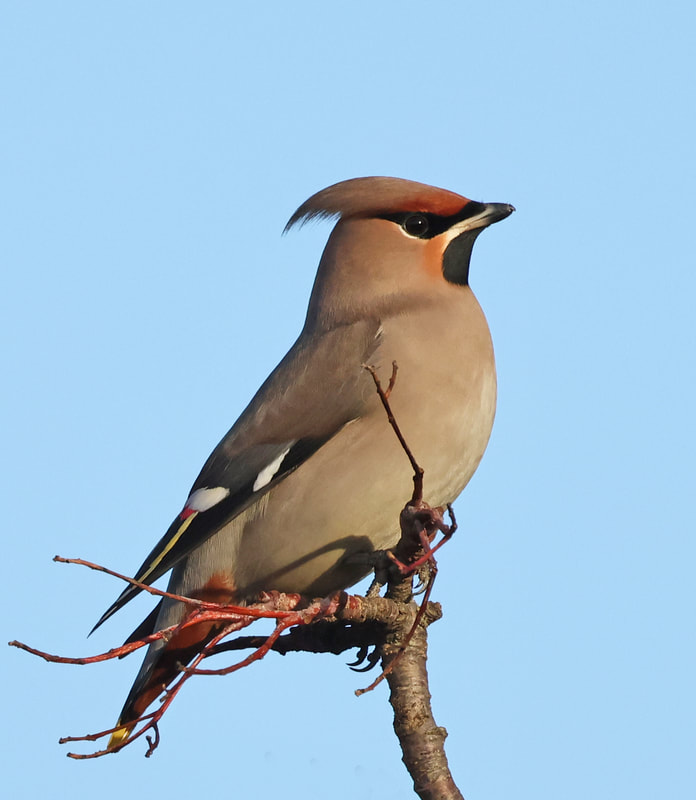 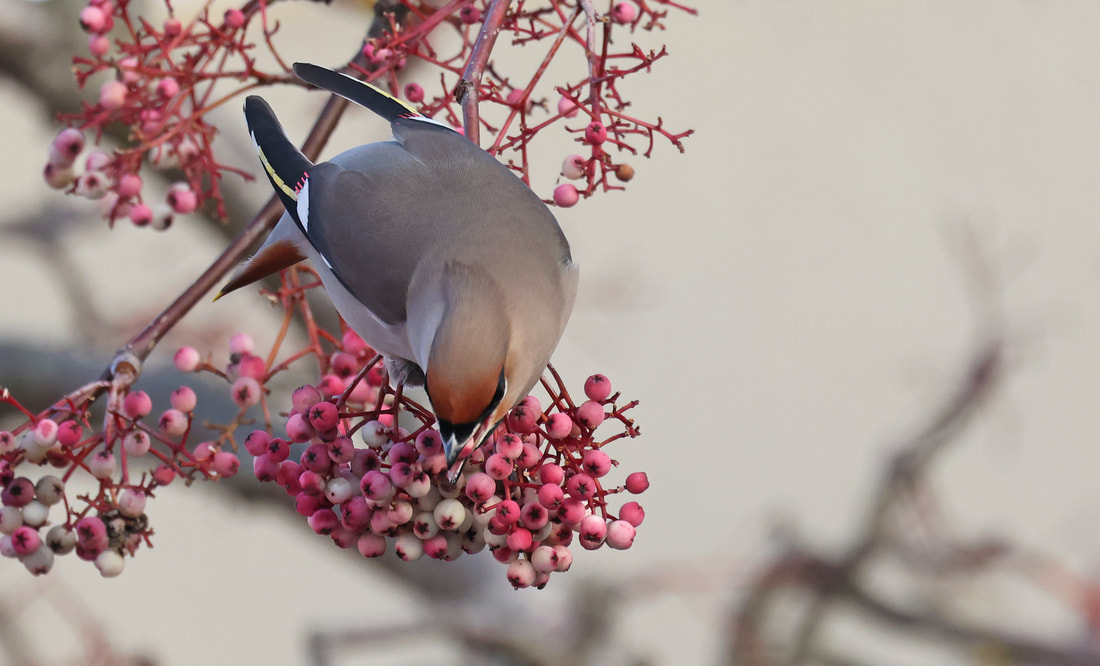 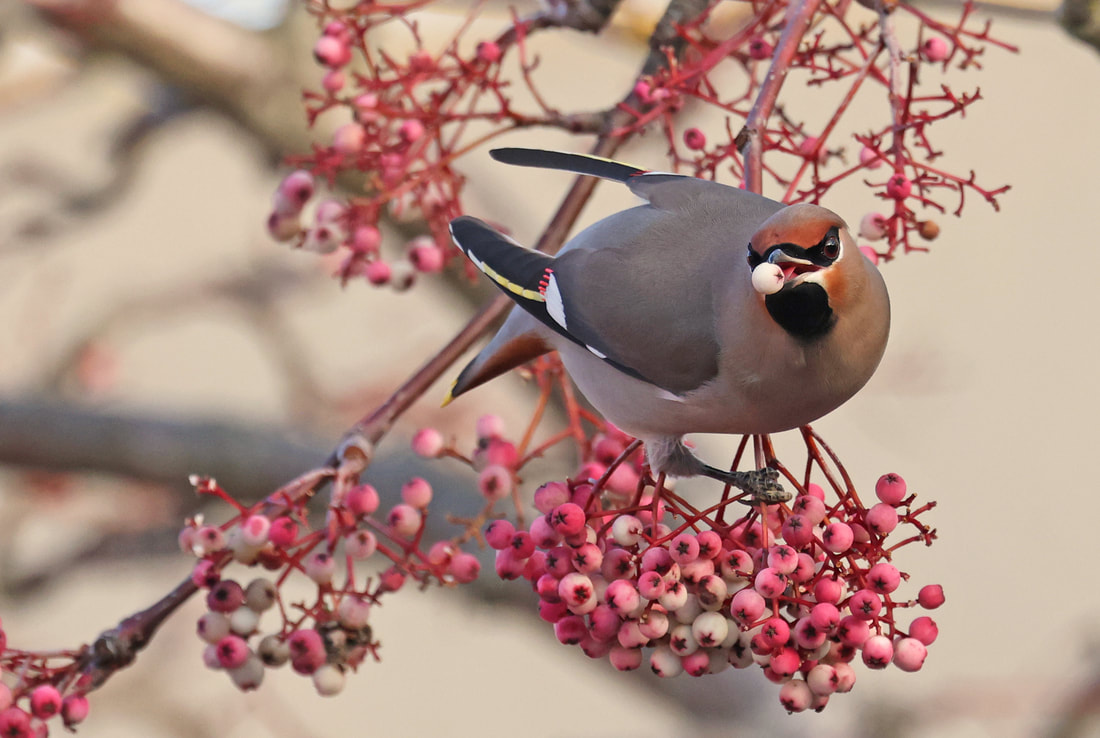 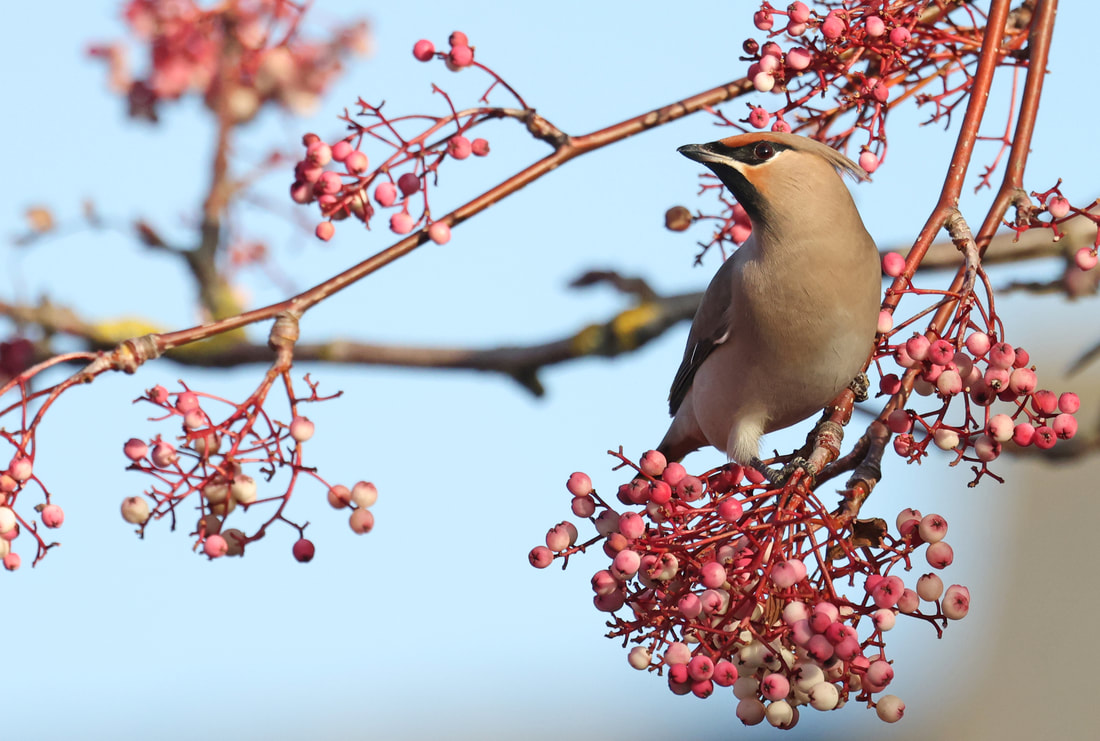 And a few shots where I managed to get two or more birds together. 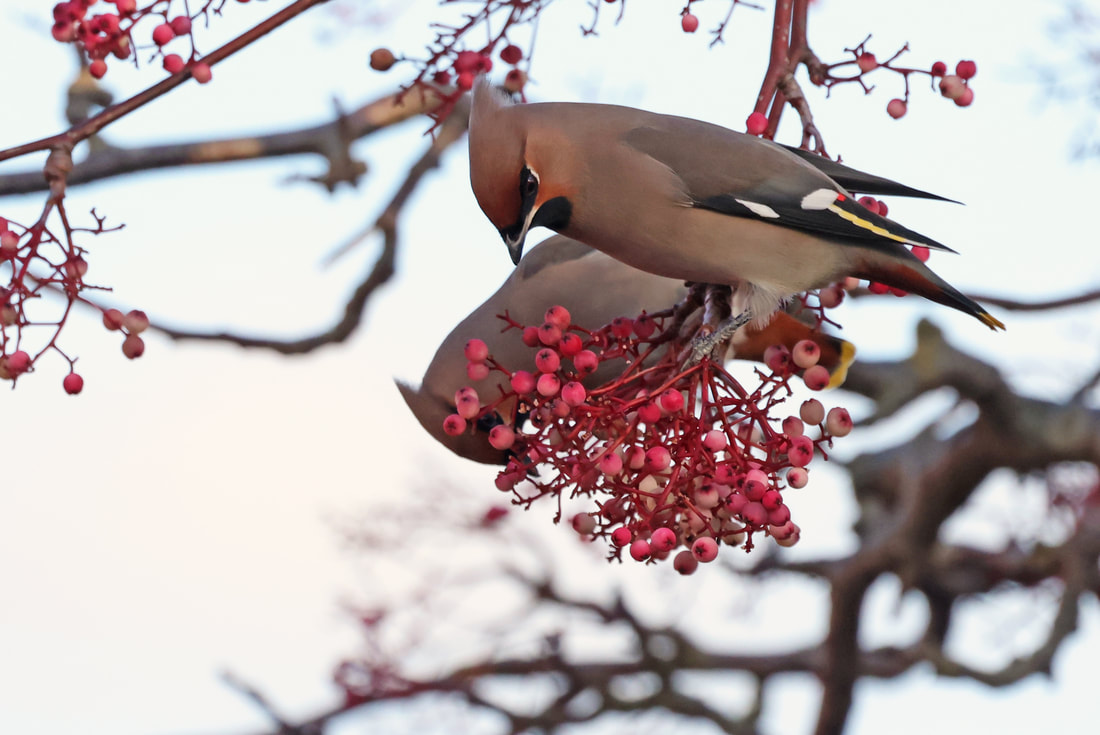 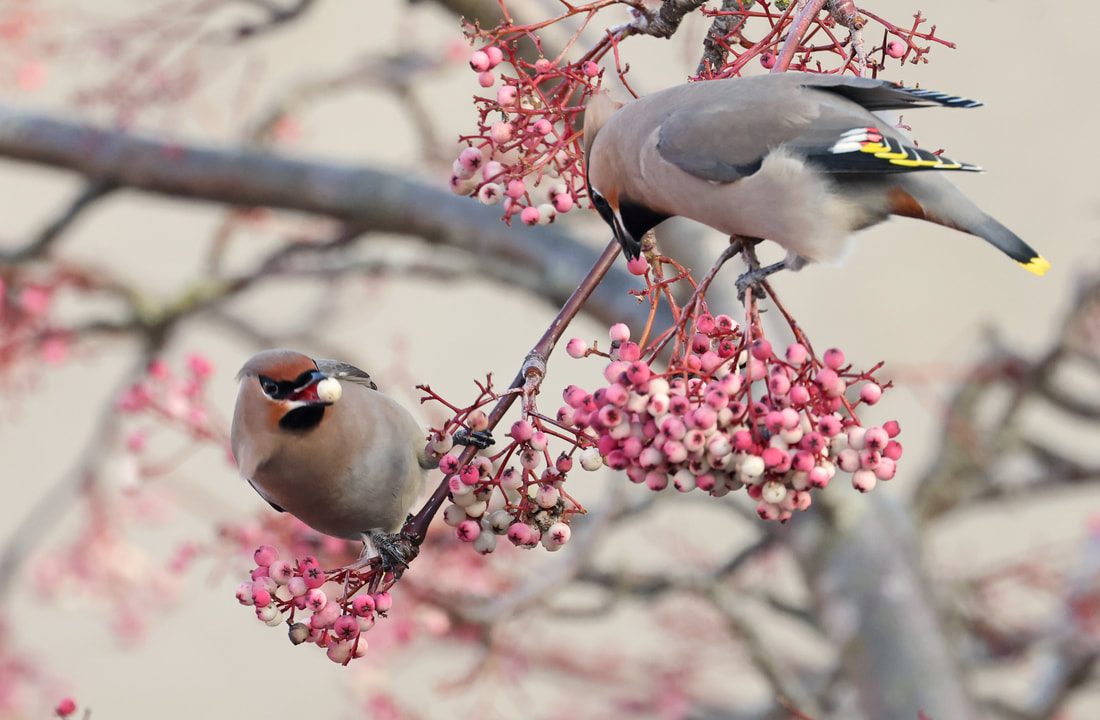 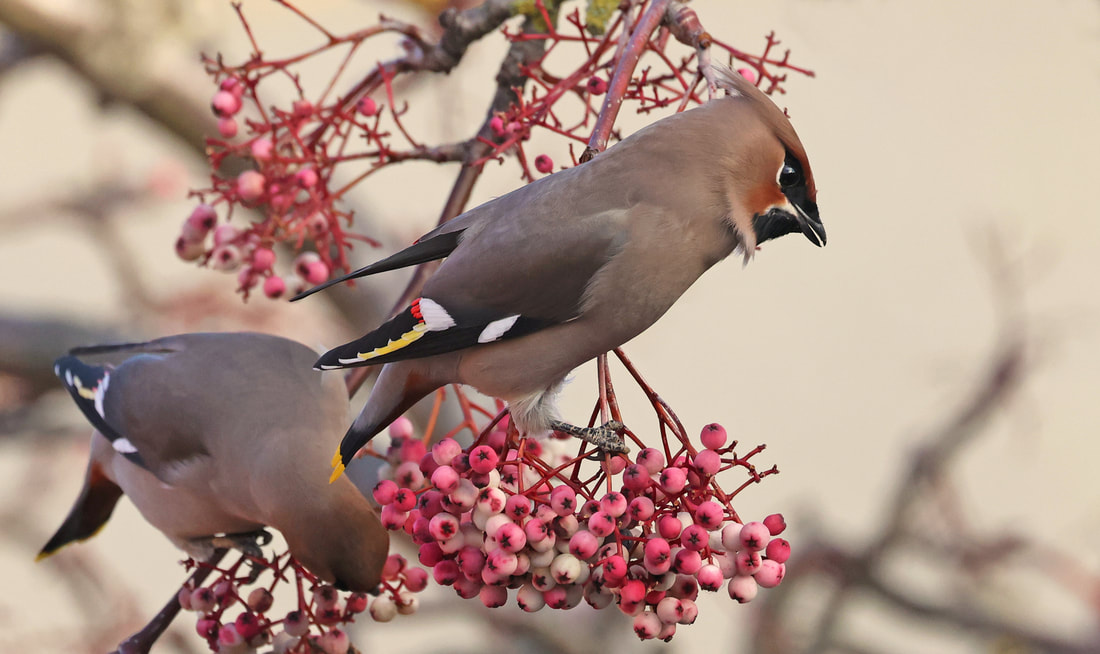 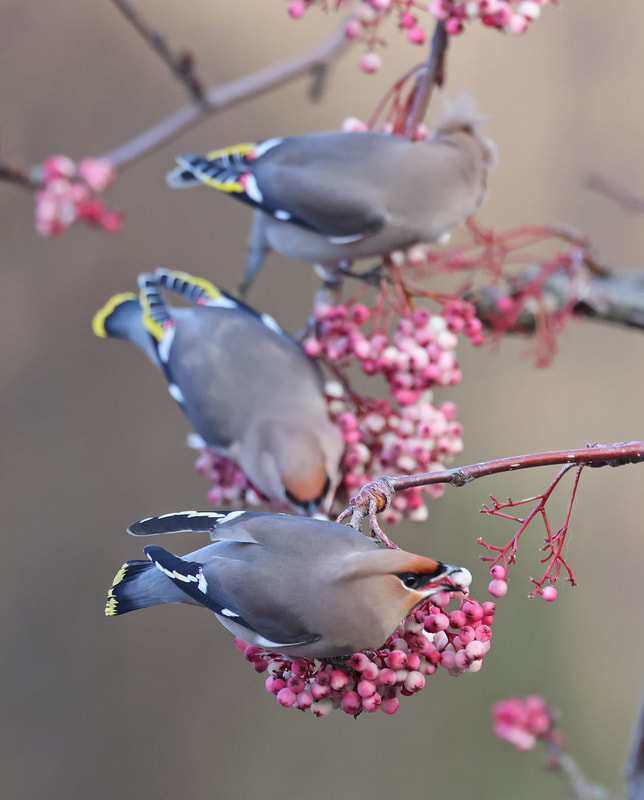 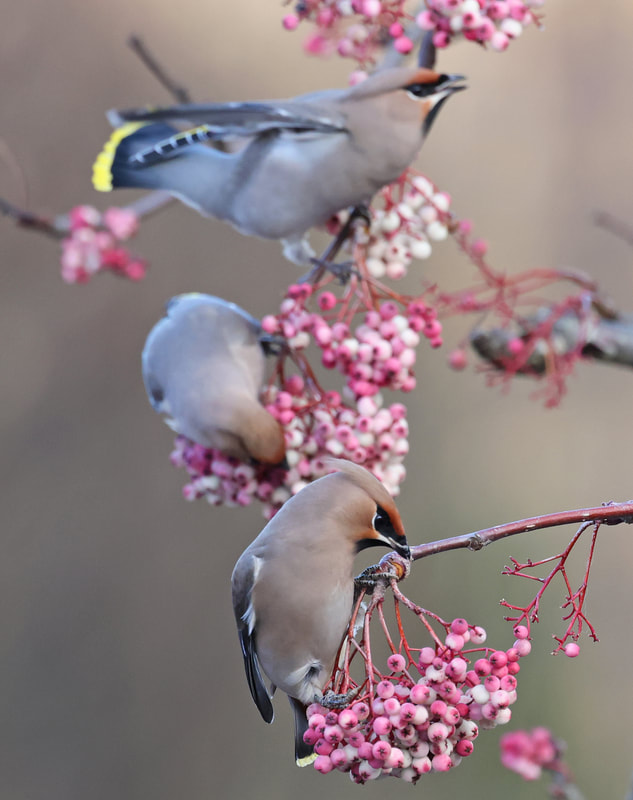 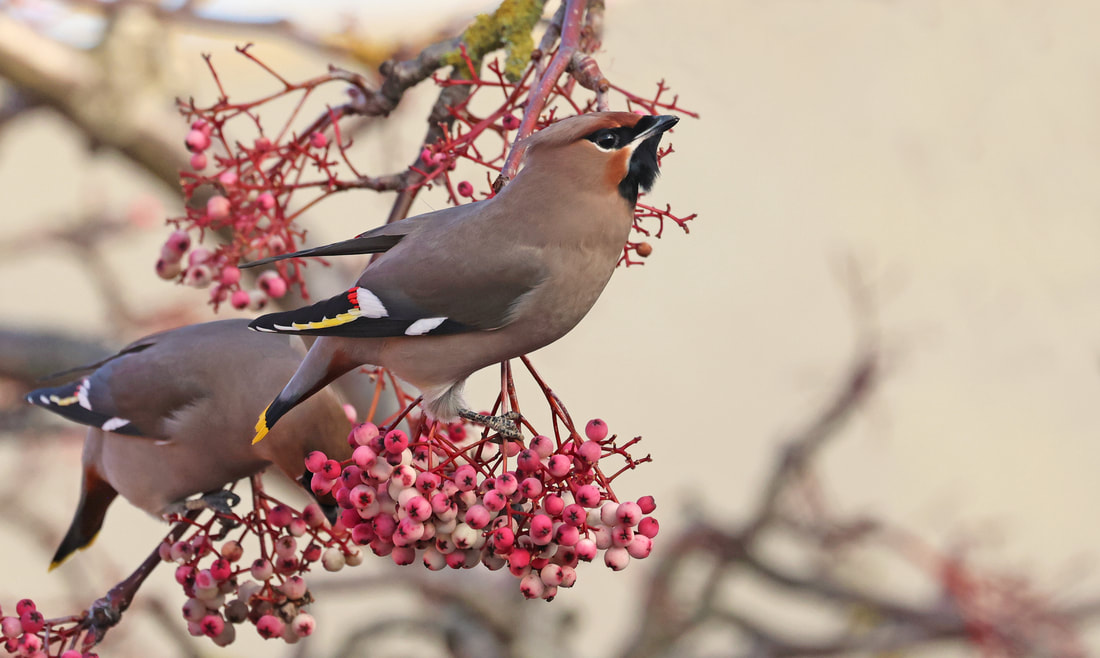 While the birds were unfazed by a small crowd of birders, when the local Sparrowhawk passed overhead they flew off and did not return. 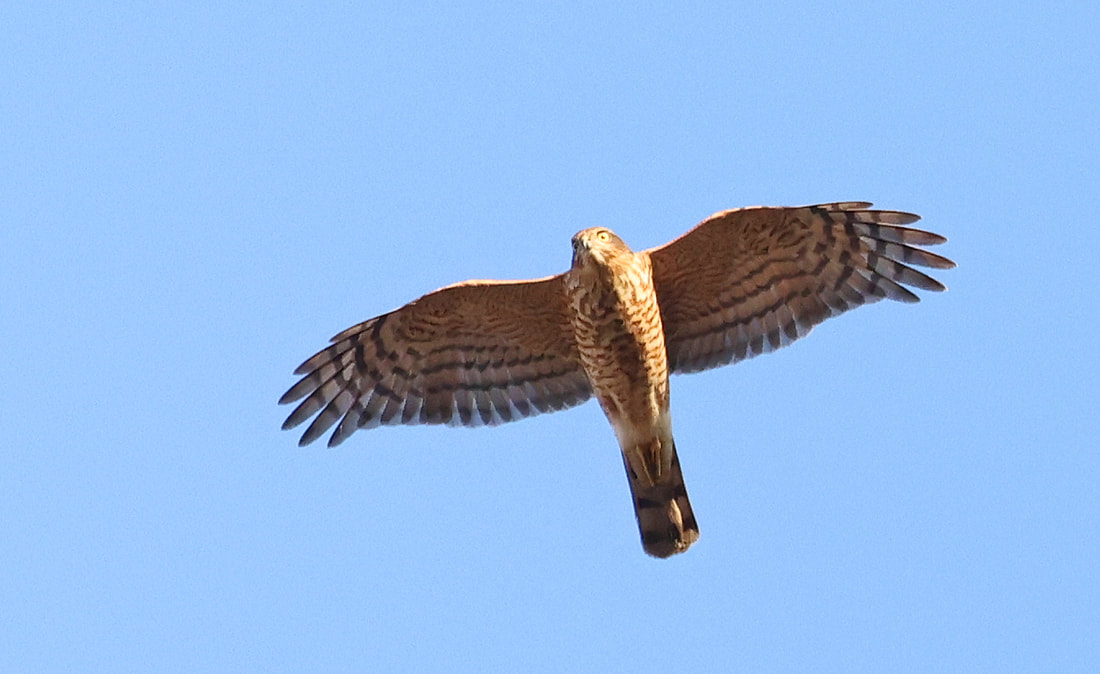 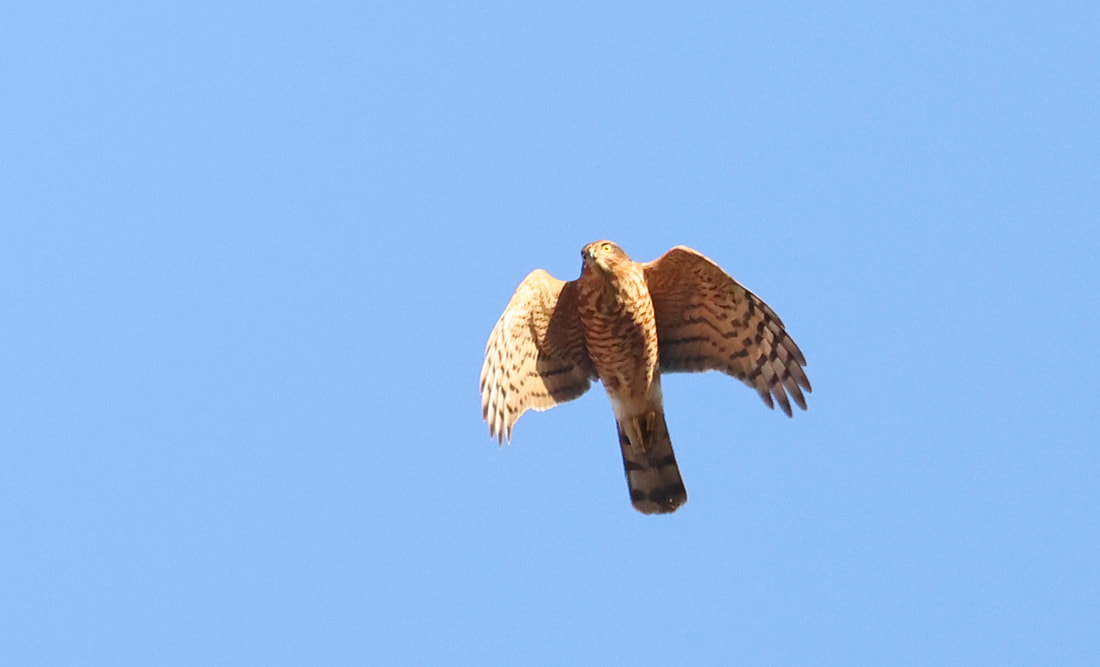 A magical hour or so and hopefully we may get some more before too long!
|

 RSS Feed